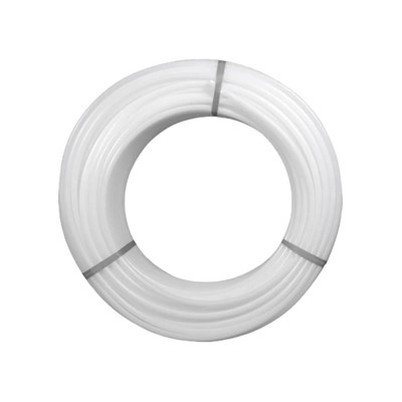
Can water pex pipe be used in a geothermal heating system?
Leave a message

Geothermal heating systems have gained significant popularity in recent years due to their energy efficiency and environmental friendliness. These systems harness the stable temperature of the earth to provide heating and cooling for residential and commercial buildings. As a water PEX pipe supplier, I often get asked whether water PEX pipes can be used in a geothermal heating system. In this blog post, I will explore this question in detail and provide you with the information you need to make an informed decision.
Understanding Geothermal Heating Systems
Before delving into the suitability of water PEX pipes for geothermal heating systems, it's essential to understand how these systems work. Geothermal heating systems utilize the earth's natural heat, which remains relatively constant below the surface, typically around 50 - 60°F (10 - 15°C) in most regions. There are two main types of geothermal systems: closed - loop and open - loop.
Closed - loop systems circulate a heat - transfer fluid, usually a mixture of water and antifreeze, through a series of pipes buried underground. These pipes are either placed horizontally in shallow trenches or vertically in boreholes. The fluid absorbs heat from the ground in the winter and releases heat into the ground in the summer.
Open - loop systems draw water from a well or a surface water source, pass it through a heat exchanger to transfer heat, and then discharge the water back into the environment.
Properties of Water PEX Pipes
PEX, or cross - linked polyethylene, is a type of plastic pipe that has become increasingly popular in plumbing applications. It offers several advantages over traditional materials such as copper and PVC.
- Flexibility: PEX pipes are highly flexible, which makes them easy to install, especially in tight spaces or around obstacles. This flexibility also reduces the need for numerous fittings, minimizing the potential for leaks.
- Corrosion Resistance: Unlike metal pipes, PEX pipes are resistant to corrosion, which extends their lifespan and reduces the risk of water contamination due to rust or other corrosion by - products.
- Freeze Resistance: PEX pipes can expand when frozen without bursting, which is a significant advantage in cold climates where freezing pipes can cause extensive damage.
- Cost - Effective: PEX pipes are generally more affordable than copper pipes, both in terms of material cost and installation cost.
Suitability of Water PEX Pipes for Geothermal Heating Systems
Water PEX pipes can be used effectively in geothermal heating systems, especially in closed - loop systems. Here's why:
- Heat Transfer: PEX pipes have good thermal conductivity, which allows for efficient heat transfer between the heat - transfer fluid and the surrounding ground. This is crucial for the proper functioning of a geothermal system, as it ensures that heat can be absorbed or released as needed.
- Chemical Resistance: The heat - transfer fluid used in geothermal systems often contains additives such as antifreeze and corrosion inhibitors. PEX pipes are resistant to a wide range of chemicals, ensuring that they can withstand the harsh conditions within the system without degrading.
- Longevity: Given their corrosion resistance and durability, PEX pipes can have a long service life in a geothermal system. This reduces the need for frequent replacements, which can be costly and disruptive.
However, there are some considerations when using PEX pipes in geothermal systems:
- UV Exposure: PEX pipes are sensitive to ultraviolet (UV) light, which can cause them to degrade over time. When installing PEX pipes in a geothermal system, it's important to ensure that they are properly buried underground to protect them from UV exposure. If there is any above - ground section, you can use PEX Anti UV Pipe, which is specifically designed to resist UV damage.
- Pressure and Temperature Ratings: Geothermal systems operate under specific pressure and temperature conditions. It's crucial to select PEX pipes with the appropriate pressure and temperature ratings to ensure their safe and efficient operation.
Installation Considerations
Proper installation is key to the successful use of PEX pipes in a geothermal heating system. Here are some installation tips:
- Proper Bending Radius: When bending PEX pipes, it's important to follow the manufacturer's recommended bending radius to avoid kinking or damaging the pipes. This ensures that the flow of the heat - transfer fluid is not restricted.
- Use of Appropriate Fittings: Select high - quality fittings that are compatible with PEX pipes. Ppsu Elbow 90° can be a good choice for making 90 - degree turns in the piping system. These fittings should be installed correctly to prevent leaks.
- Proper Insulation: Insulate any above - ground sections of the PEX pipes to prevent heat loss or gain. This helps to improve the overall efficiency of the geothermal system.
Maintenance of PEX Pipes in Geothermal Systems
Maintaining PEX pipes in a geothermal system is relatively straightforward. Here are some maintenance tips:


- Regular Inspections: Periodically inspect the PEX pipes and fittings for any signs of damage, such as cracks, leaks, or bulges. Early detection of problems can prevent more significant issues down the line.
- Fluid Checks: Check the heat - transfer fluid regularly to ensure that its chemical composition and concentration are within the recommended range. This helps to prevent corrosion and maintain the efficiency of the system.
- System Flushing: Over time, sediment and debris can accumulate in the pipes. Flushing the system periodically can help to remove these contaminants and keep the pipes clean.
Conclusion
In conclusion, water PEX pipes can be an excellent choice for geothermal heating systems, particularly in closed - loop applications. Their flexibility, corrosion resistance, and good heat transfer properties make them well - suited for this type of system. However, it's important to take into account factors such as UV exposure, pressure and temperature ratings, and proper installation and maintenance.
If you are considering using water PEX pipes for your geothermal heating system or have any questions about our PEX Pipe for Water Supply, I encourage you to reach out to us. Our team of experts can provide you with detailed information and guidance to help you make the best decision for your project. Contact us to start a procurement discussion and find the right PEX pipe solutions for your geothermal needs.
References
- ASHRAE Handbook - HVAC Systems and Equipment. American Society of Heating, Refrigerating and Air - Conditioning Engineers.
- PEX Pipe Installation Guidelines. Various PEX pipe manufacturers.
- Geothermal Heat Pump Association Technical Publications.