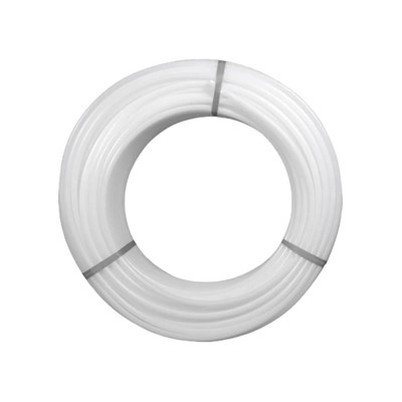
Are pex - a pipes resistant to freezing?
Leave a message

Hey there! As a supplier of PEX - A pipes, I often get asked this burning question: Are PEX - A pipes resistant to freezing? Let's dive right in and explore this topic.
First off, what exactly are PEX - A pipes? PEX - A stands for cross - linked polyethylene of the “Type A” variety. These pipes have become super popular in the plumbing industry over the years. They're flexible, easy to install, and have a bunch of other great features. You can learn more about them here: PE - Xa Pipe for Plumbing Pipe.
Now, back to the main question: freezing resistance. PEX - A pipes do have some natural advantages when it comes to dealing with cold temperatures. Unlike traditional metal pipes like copper or steel, PEX - A is a flexible material. When water inside the pipe freezes and expands, the PEX - A pipe can stretch to accommodate that expansion to a certain extent. This means it's less likely to burst compared to rigid pipes.
Think about it this way. If you have a rigid pipe and the water freezes and expands, there's nowhere for that extra volume to go. The pressure builds up, and eventually, the pipe can't handle it and bursts. But with PEX - A, its flexibility gives it some wiggle room. It can expand along with the frozen water, reducing the risk of a catastrophic failure.
However, it's important to note that PEX - A pipes aren't completely immune to freezing damage. If the temperature drops extremely low and stays there for a long time, the pipes can still be at risk. When water freezes, it forms ice crystals. These ice crystals can cause stress on the pipe walls, and if the stress is too much, even a flexible PEX - A pipe can crack or develop leaks.
Another factor to consider is the insulation around the pipes. Proper insulation can make a huge difference in protecting PEX - A pipes from freezing. Insulation acts as a barrier between the cold air outside and the water inside the pipe. It slows down the rate at which the water cools down, giving you more time to take preventive measures if the temperature starts to drop.
So, what can you do to protect your PEX - A pipes from freezing? Here are some tips:
- Insulate your pipes: Use pipe insulation sleeves or wraps. You can find these at most hardware stores. Make sure to cover all exposed pipes, especially those in unheated areas like basements, attics, and crawl spaces.
- Keep the heat on: Even if you're going away for a short period, keep your thermostat set to a minimum temperature, like 55°F (13°C). This helps maintain a warmer environment around the pipes.
- Let the water drip: During extremely cold weather, let a small trickle of water run from your faucets. This constant flow of water can prevent it from stagnating and freezing inside the pipes.
It's also worth mentioning the certifications of PEX - A pipes. Our PEX - A pipes are certified under various standards. For example, they meet the NSF requirements. You can find more details about our PE - Xa Pipe NSF certification. This certification ensures that the pipes are safe for use in potable water systems and have been tested for quality and performance.
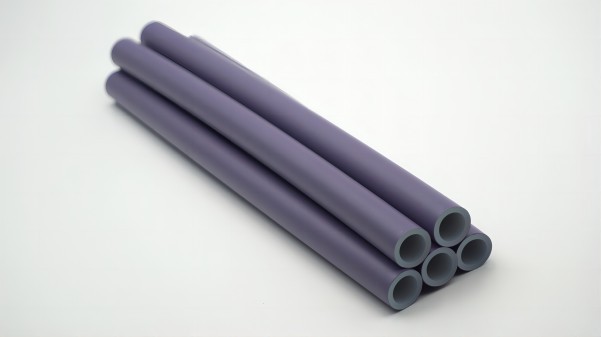

Another important certification is the Watermark. Our PE - Xa Pipe Watermark certification shows that the pipes meet the strict standards for use in plumbing applications. It gives you peace of mind knowing that you're using a high - quality product.
In real - world applications, PEX - A pipes have proven to be a reliable choice in areas with cold climates. Many homeowners and commercial building owners have switched to PEX - A pipes because of their freezing resistance and other benefits. But it's always a good idea to take precautions and be prepared for cold weather.
If you're in the process of building a new home or renovating an existing one, and you're considering using PEX - A pipes, I'd highly recommend it. They offer a great combination of flexibility, durability, and freezing resistance. And as a supplier, I can provide you with high - quality PEX - A pipes that meet all the necessary standards.
Whether you're a DIY enthusiast or a professional plumber, our PEX - A pipes are easy to work with. They can be bent and shaped without the need for a lot of special tools. You can use simple crimping or clamping methods to connect the pipes, which saves time and money during installation.
In conclusion, while PEX - A pipes are more resistant to freezing compared to rigid pipes, they're not invincible. You need to take proper precautions, like insulating the pipes and maintaining a suitable temperature in your home. If you're interested in purchasing PEX - A pipes for your project, I'd love to talk to you. We offer a wide range of PEX - A pipes in different sizes and configurations to meet your specific needs.
So, if you've got any questions or want to start a conversation about your plumbing project, don't hesitate to reach out. Let's work together to ensure your plumbing system is reliable and protected from freezing damage.
References
- Plumbing textbooks on pipe materials and cold - weather performance
- Industry research on PEX - A pipe durability and freezing resistance