What types of connectors are used for PERT Tube?
Leave a message

Hey there! As a PERT Tube supplier, I've been in the game for quite some time, and I often get asked about the different types of connectors used for PERT Tube. So, I thought I'd put together this blog post to share some insights on this topic.
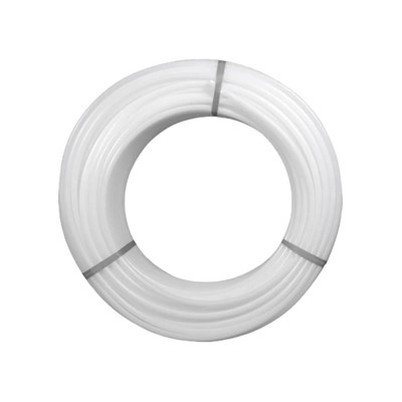
First off, let's talk a bit about PERT Tube. PERT, or Polyethylene Raised Temperature, is a type of plastic tubing that's widely used in plumbing and heating systems. It's known for its flexibility, durability, and resistance to high temperatures and chemicals. You can learn more about PERT Tube on our website PERT Tube.


Now, onto the connectors. There are several types of connectors used for PERT Tube, each with its own advantages and applications.
Compression Connectors
Compression connectors are one of the most common types of connectors for PERT Tube. They work by compressing a ring or ferrule onto the tube, creating a tight seal. These connectors are relatively easy to install and don't require any special tools. You just need to slide the compression nut and ferrule onto the tube, insert the tube into the fitting, and then tighten the nut with a wrench.
One of the main advantages of compression connectors is their versatility. They can be used with a variety of tube sizes and materials, and they're suitable for both residential and commercial applications. However, they do require regular maintenance to ensure the seal remains tight. Over time, the compression ring can loosen, leading to leaks.
Push-Fit Connectors
Push-fit connectors are another popular option for PERT Tube. As the name suggests, these connectors are easy to install – you simply push the tube into the fitting, and it creates a secure connection. They use a series of O-rings and teeth to grip the tube and prevent leaks.
Push-fit connectors are great for DIY projects because they don't require any soldering or special tools. They're also quick to install, which can save you a lot of time. However, they can be a bit more expensive than compression connectors, and they may not be suitable for high-pressure applications.
Press Connectors
Press connectors are a more advanced type of connector for PERT Tube. They use a hydraulic or manual pressing tool to create a permanent, leak-proof connection. The pressing tool crimps a metal sleeve onto the tube and fitting, creating a strong bond.
Press connectors are very reliable and are often used in commercial and industrial applications. They're also resistant to vibration and movement, which makes them ideal for use in areas where the tubing may be subject to stress. However, they do require a special pressing tool, which can be expensive. And if you make a mistake during installation, it can be difficult to correct.
Solvent Weld Connectors
Solvent weld connectors are used for joining PERT Tube to other plastic pipes or fittings. They work by using a solvent to soften the plastic of the tube and fitting, allowing them to fuse together. Once the solvent evaporates, the joint becomes strong and permanent.
Solvent weld connectors are relatively inexpensive and are easy to install. They're also very durable and can withstand high temperatures and pressures. However, they require careful handling because the solvent can be toxic and flammable. You also need to make sure the surfaces are clean and dry before applying the solvent to ensure a good bond.
Threaded Connectors
Threaded connectors are used to connect PERT Tube to other components that have threaded ends, such as valves or pumps. They come in different sizes and thread types to match the requirements of your system.
To install a threaded connector, you need to wrap Teflon tape around the threads to create a seal, and then screw the connector onto the tube or fitting. Threaded connectors are easy to install and can be easily removed if needed. However, they can be prone to leaks if not installed correctly, and they may not be suitable for high-pressure applications.
So, which type of connector should you choose for your PERT Tube? Well, it depends on several factors, such as the application, the pressure and temperature requirements, and your budget. If you're doing a DIY project, push-fit connectors may be the best option because they're easy to install. If you're working on a commercial or industrial project, press connectors or solvent weld connectors may be more suitable because they offer a more permanent and reliable connection.
As a PERT Tube supplier, I can help you choose the right connectors for your needs. I've got a wide range of connectors in stock, and I can provide you with expert advice on installation and maintenance. Whether you're a professional plumber or a DIY enthusiast, I'm here to support you every step of the way.
If you're interested in purchasing PERT Tube or connectors, or if you have any questions about our products, don't hesitate to get in touch. You can reach out to me, and we can start a conversation about your project requirements. I'm looking forward to working with you to find the best solutions for your plumbing and heating needs.
References
- Various industry manuals and guides on PERT Tube installation and connectors.
- Manufacturer's specifications for different types of PERT Tube connectors.