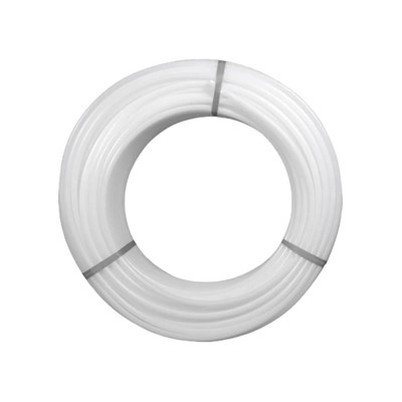
What tools are needed to install a 2 inch PEX pipe?
Leave a message

Hey there! As a supplier of 2 inch PEX pipes, I often get asked about the tools needed to install them. PEX, or cross-linked polyethylene, is a flexible and durable material that's great for water supply systems. In this blog, I'll walk you through the essential tools you'll need to get the job done right.
Measuring and Marking Tools
First off, you can't install a pipe without knowing where to cut and place it. That's where measuring and marking tools come in.
Tape Measure
A good-quality tape measure is a must-have. You'll use it to measure the length of the pipe runs, the distance between fittings, and the space available for the installation. Make sure it's long enough to handle the longest measurement you'll need, usually at least 25 feet. A retractable tape measure is convenient because it's easy to carry around and store.
Marker
You'll also need a marker to mark the pipe where you need to make cuts. A permanent marker works well because it won't rub off easily. Just make sure it's suitable for use on plastic pipes like PEX.
Cutting Tools
Cutting the PEX pipe accurately is crucial for a proper installation.


PEX Cutter
A PEX cutter is specifically designed to cut PEX pipes cleanly and quickly. It has sharp blades that make a precise cut without crushing or deforming the pipe. There are different types of PEX cutters available, but for a 2 inch PEX pipe, you'll need a cutter that can handle that size. They're usually easy to use - just place the cutter around the pipe and squeeze the handles until the blades cut through.
Hacksaw (as a Backup)
While a PEX cutter is the best tool for the job, it's always a good idea to have a hacksaw as a backup. In case you don't have a PEX cutter on hand or if the cutter breaks, a hacksaw can get the job done. However, it takes more time and effort to use, and you need to be careful to make a straight cut.
Fitting Installation Tools
Once you've cut the pipe to the right length, you'll need to connect it to other pipes and fittings.
Crimping Tool
If you're using crimp fittings, a crimping tool is essential. Crimp fittings are a popular choice for PEX pipe installations because they're easy to install and provide a reliable connection. The crimping tool is used to compress the crimp ring onto the pipe and fitting, creating a tight seal. Make sure you choose a crimping tool that's compatible with the size of your 2 inch PEX pipe and the type of crimp rings you're using.
Expansion Tool
Another option for connecting PEX pipes is to use expansion fittings. An expansion tool is used to expand the end of the PEX pipe so that it can fit over the fitting. Once the pipe is expanded and the fitting is inserted, the pipe contracts back to its original size, creating a secure connection. Like the crimping tool, make sure the expansion tool is suitable for 2 inch PEX pipes.
Support Tools
Proper support is important to prevent the PEX pipes from sagging or moving over time.
Pipe Straps
Pipe straps are used to secure the PEX pipes to the wall, floor, or ceiling. They come in different sizes and materials, so make sure you choose ones that are suitable for 2 inch PEX pipes. You'll need to install the pipe straps at regular intervals along the pipe runs to keep the pipes in place.
Drill and Bits
If you need to install the pipe straps on a wall or ceiling, you'll need a drill and the appropriate bits. You'll use the drill to make holes for the screws that will hold the pipe straps in place. Make sure you choose the right size and type of drill bit for the material you're drilling into, such as wood, drywall, or concrete.
Pressure Testing Tools
After you've installed the PEX pipes and fittings, it's important to test the system for leaks.
Pressure Gauge
A pressure gauge is used to measure the pressure in the water supply system. You'll need to connect the pressure gauge to the system and pressurize the pipes to a specific level. Then, you can monitor the pressure over a period of time to see if there are any leaks. Make sure the pressure gauge is suitable for use with PEX pipes and can handle the pressure range of your water supply system.
Air Compressor or Water Pump
To pressurize the pipes for the pressure test, you'll need an air compressor or a water pump. An air compressor is often used because it's quick and easy to use. You can use it to pump air into the pipes to create the necessary pressure. However, make sure you follow the manufacturer's instructions carefully when using an air compressor to avoid over-pressurizing the pipes.
Additional Considerations
In some cases, you may need additional tools or materials depending on the specific requirements of your installation. For example, if you're installing the PEX pipes in an area exposed to sunlight, you might want to consider using PEX Anti UV Pipe. It's designed to resist the damaging effects of UV rays and will last longer in outdoor applications.
If you need to make T-shaped connections in your PEX pipe system, PPSU Tee fittings are a great option. They're made of a durable material and provide a reliable connection.
And of course, if you're using the PEX pipes for a water supply system, make sure you choose PEX Pipe for Water Supply that meets the necessary standards and regulations.
Conclusion
Installing a 2 inch PEX pipe requires a variety of tools, but with the right ones, you can get the job done quickly and efficiently. Whether you're a professional plumber or a DIY enthusiast, having the essential tools on hand will make the installation process much easier.
If you're in the market for 2 inch PEX pipes or any of the tools and fittings mentioned in this blog, don't hesitate to reach out. We're here to help you with all your PEX pipe needs and can provide you with high-quality products at competitive prices. Contact us to start a procurement discussion and find the best solutions for your project.
References
- Plumbing Code Handbook
- PEX Pipe Manufacturer's Installation Guides