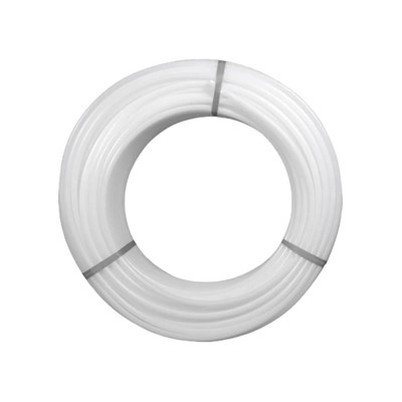
What is the wall thickness of pex 32mm pipes?
Leave a message

As a supplier of PEX 32mm pipes, one of the most frequently asked questions I encounter is about the wall thickness of these pipes. Understanding the wall thickness is crucial as it significantly impacts the performance, durability, and suitability of the pipes for various applications. In this blog post, I'll delve into the topic of the wall thickness of PEX 32mm pipes, exploring its importance, industry standards, and how it relates to different usage scenarios.
Importance of Wall Thickness in PEX 32mm Pipes
The wall thickness of PEX 32mm pipes plays a vital role in determining their overall strength and pressure - bearing capacity. A thicker wall can withstand higher internal pressures without bursting or leaking, making it suitable for applications where high - pressure water flow is required. For instance, in a large - scale residential or commercial plumbing system, pipes need to handle the pressure from water pumps and the distribution network. A PEX 32mm pipe with an appropriate wall thickness ensures that the system operates safely and efficiently, reducing the risk of sudden failures and costly repairs.
Moreover, the wall thickness affects the pipe's resistance to external factors such as mechanical damage and environmental stress. Thicker - walled pipes are more resistant to impacts during installation and are less likely to be damaged by ground movement or other external forces. This is especially important in underground installations, where pipes are exposed to soil pressure and potential shifting.
Industry Standards for Wall Thickness
In the plumbing industry, there are specific standards that govern the wall thickness of PEX pipes, including those with a 32mm outer diameter. These standards are established to ensure the quality and safety of the pipes in different applications.
One of the well - recognized standards is the ASTM (American Society for Testing and Materials) standard. ASTM F876 and ASTM F877 provide guidelines for the requirements of PEX pipes, including wall thickness. According to these standards, the wall thickness of PEX 32mm pipes should meet certain minimum values to ensure proper performance. However, the exact wall thickness can vary depending on the type of PEX material and the intended use of the pipe.
There are three main types of PEX pipes: PEX - a, PEX - b, and PEX - c. Each type has its own unique manufacturing process and properties, which can also influence the wall thickness requirements. PE - Xa Pipe NSF is a type of PEX - a pipe that meets NSF (National Sanitation Foundation) standards, indicating its suitability for use in potable water systems. The wall thickness of PEX - a pipes is often designed to provide excellent flexibility and high - temperature resistance, which is essential for both hot and cold water applications.
Wall Thickness and Different Applications
The wall thickness of PEX 32mm pipes can vary depending on the specific application. Let's take a look at some common applications and how the wall thickness is selected accordingly.
1. Potable Water Systems
In potable water systems, the wall thickness of PEX 32mm pipes is chosen to ensure the safety and quality of the water supply. A sufficient wall thickness helps prevent the leaching of harmful substances from the pipe material into the water. Additionally, it provides the necessary strength to withstand the normal operating pressures in a residential or commercial water distribution system. Pipes with a moderate wall thickness are typically used, as they offer a good balance between cost and performance.
2. Floor Heating Systems
PEX Pipe for Floor Heating is another major application for PEX 32mm pipes. In floor heating systems, the pipes are embedded in the floor structure to circulate hot water and provide radiant heat. The wall thickness of the pipes in this application needs to be carefully selected to ensure efficient heat transfer while maintaining the structural integrity of the pipe. A slightly thinner wall can enhance heat transfer, but it must still be thick enough to withstand the pressure of the hot water and the mechanical stress during installation and use.
3. Industrial Applications
In industrial settings, PEX 32mm pipes may be used for various purposes, such as transporting chemicals or high - pressure fluids. In these cases, the wall thickness is usually increased to handle the more demanding conditions. Industrial applications often require pipes with high - pressure ratings and excellent chemical resistance, and a thicker wall can contribute to meeting these requirements.
Selecting the Right Wall Thickness
When selecting the wall thickness of PEX 32mm pipes, several factors need to be considered.
First, the operating pressure of the system is a key factor. Higher operating pressures require thicker - walled pipes to ensure safety. The temperature of the fluid being transported also matters. Hot water systems may need pipes with a greater wall thickness to withstand thermal expansion and prevent deformation.
The installation environment is another important consideration. If the pipes are to be installed underground or in areas with high mechanical stress, a thicker wall is recommended. On the other hand, if flexibility is a priority, such as in some tight - space installations, a pipe with a thinner wall may be more suitable, as long as it can still meet the pressure and temperature requirements.
Complementary Fittings: Ppsu Elbow 90°
When using PEX 32mm pipes, it's essential to choose the right fittings to ensure a proper and leak - free connection. Ppsu Elbow 90° is a popular fitting option. PPSU (Polyphenylsulfone) is a high - performance thermoplastic material known for its excellent chemical resistance, high - temperature stability, and mechanical strength. A 90 - degree elbow fitting made of PPSU can be used to change the direction of the PEX 32mm pipe in a plumbing or heating system. The quality of the fittings, like the wall thickness of the pipes, also affects the overall performance and reliability of the system.


Contact for Purchase and Consultation
If you're in the market for PEX 32mm pipes and need more information about wall thickness, suitable applications, or other related topics, I'm here to help. Whether you're a contractor, a builder, or a DIY enthusiast, I can provide you with the right advice and high - quality products to meet your specific needs. Don't hesitate to reach out for a detailed discussion and to start the procurement process.
References
- ASTM F876 - Standard Specification for Crosslinked Polyethylene (PEX) Tubing
- ASTM F877 - Standard Specification for Crosslinked Polyethylene (PEX) Plastic Hot - and Cold - Water Distribution Systems
- National Sanitation Foundation (NSF) standards for potable water pipes