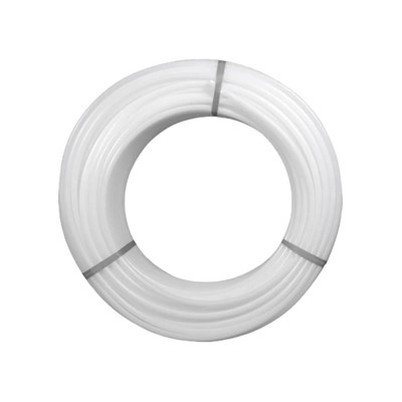
What is the resistance of PERT Pipe to biological growth?
Leave a message

As a supplier of PERT pipes, I've often been asked about the resistance of PERT pipes to biological growth. In this blog, I'll delve into this topic, exploring the factors that influence biological growth in pipes, the inherent properties of PERT pipes that contribute to their resistance, and the real - world implications of this resistance.
Understanding Biological Growth in Pipes
Biological growth in pipes is a common issue that can have significant impacts on the performance and safety of plumbing systems. Microorganisms such as bacteria, fungi, and algae can colonize the inner surfaces of pipes, forming biofilms. These biofilms are complex communities of microorganisms embedded in a matrix of extracellular polymeric substances (EPS).
The formation of biofilms in pipes can lead to several problems. Firstly, they can cause a reduction in the flow capacity of the pipes. As the biofilm grows, it can constrict the cross - sectional area of the pipe, increasing the frictional resistance to fluid flow. This can result in decreased water pressure and flow rates, which can be particularly problematic in large - scale plumbing systems.
Secondly, biofilms can be a source of water contamination. Some microorganisms in biofilms can produce toxins or cause diseases. For example, Legionella bacteria, which can thrive in biofilms in warm water pipes, can cause Legionnaires' disease, a severe form of pneumonia. Additionally, the presence of biofilms can promote the growth of other harmful organisms by providing a protected environment and a source of nutrients.
The growth of biofilms in pipes is influenced by several factors. Temperature is a crucial factor, as most microorganisms have an optimal temperature range for growth. For many bacteria, this range is between 20°C and 45°C. Nutrient availability also plays a vital role. Pipes that carry water with high levels of organic matter, such as carbon, nitrogen, and phosphorus, provide a rich food source for microorganisms. The surface characteristics of the pipe material, such as roughness and chemical composition, can also affect the adhesion and growth of microorganisms.


The Properties of PERT Pipes and Their Resistance to Biological Growth
PERT (Polyethylene Raised Temperature) pipes are a type of plastic pipe that has gained popularity in plumbing systems due to their excellent mechanical and thermal properties. When it comes to biological growth, PERT pipes have several inherent properties that contribute to their resistance.
Smooth Inner Surface
One of the key features of PERT pipes is their smooth inner surface. Unlike some metal pipes or pipes with a rough interior, the smooth surface of PERT pipes makes it difficult for microorganisms to adhere and form biofilms. Microorganisms typically attach to surfaces through a process called adhesion, which is facilitated by surface irregularities. The smoothness of PERT pipes reduces the number of available attachment sites, making it less likely for biofilms to form.
Chemical Inertness
PERT pipes are chemically inert, which means they do not react easily with the substances in the water they carry. This chemical stability is important in preventing the leaching of substances that could serve as nutrients for microorganisms. In contrast, some metal pipes may corrode over time, releasing metal ions into the water. These metal ions can act as nutrients for certain microorganisms, promoting their growth. Since PERT pipes do not corrode or release such substances, they create a less favorable environment for biological growth.
Lack of Nutrient Source
PERT pipes are made of polyethylene, a polymer that does not provide a significant source of nutrients for microorganisms. Unlike some organic materials that can be broken down by bacteria and fungi, polyethylene is a stable polymer that is resistant to biodegradation. This lack of a nutrient source within the pipe material itself further inhibits the growth of microorganisms.
Resistance to Oxidation
PERT pipes have good resistance to oxidation. Oxidation can create reactive oxygen species that can damage the pipe material and also promote the growth of certain microorganisms. The ability of PERT pipes to resist oxidation helps maintain their structural integrity and reduces the likelihood of creating an environment conducive to biological growth.
Real - World Implications of PERT Pipes' Resistance to Biological Growth
The resistance of PERT pipes to biological growth has several important real - world implications for plumbing systems.
Improved Water Quality
By preventing the formation of biofilms, PERT pipes help maintain better water quality. As mentioned earlier, biofilms can be a source of water contamination. Using PERT pipes reduces the risk of microbial contamination in the water supply, ensuring that the water delivered to consumers is safe and clean. This is particularly important in applications such as drinking water systems, where water quality is of utmost importance.
Reduced Maintenance Requirements
Pipes with a high resistance to biological growth require less maintenance. Biofilms in pipes can lead to blockages and other plumbing issues that require regular cleaning and maintenance. With PERT pipes, the reduced likelihood of biofilm formation means fewer maintenance tasks, saving time and money for both homeowners and building managers.
Longer Lifespan
The resistance to biological growth also contributes to the longer lifespan of PERT pipes. Biofilms can cause corrosion and degradation of pipe materials over time. By preventing biofilm formation, PERT pipes are less likely to suffer from these forms of damage, allowing them to last longer in plumbing systems.
Case Studies and Research Findings
Several studies have been conducted to evaluate the resistance of PERT pipes to biological growth. In a research project comparing the biofilm formation on different pipe materials, it was found that PERT pipes had significantly less biofilm growth compared to metal pipes and some other plastic pipes. The smooth surface and chemical inertness of PERT pipes were identified as the main factors contributing to this difference.
In a real - world case study of a large - scale building using PERT pipes in its plumbing system, the water quality remained consistently high over a long period. There were no reports of reduced water pressure or flow rates due to biofilm - related blockages, and the maintenance requirements were minimal. This case study further demonstrates the practical benefits of using PERT pipes in terms of their resistance to biological growth.
Conclusion and Call to Action
In conclusion, PERT pipes have excellent resistance to biological growth due to their smooth inner surface, chemical inertness, lack of nutrient source, and resistance to oxidation. This resistance has significant real - world implications, including improved water quality, reduced maintenance requirements, and a longer lifespan.
If you are in the market for high - quality plumbing pipes with excellent resistance to biological growth, consider PERT Tube. As a reliable PERT pipe supplier, we are committed to providing you with the best products and services. Whether you are working on a residential, commercial, or industrial plumbing project, our PERT pipes can meet your needs. Contact us to start a procurement discussion and find out how our PERT pipes can benefit your plumbing system.
References
- Smith, J. (2018). "The Impact of Pipe Material on Biofilm Formation in Plumbing Systems." Journal of Water Supply: Research and Technology - AQUA, 67(3), 153 - 162.
- Johnson, M. (2019). "Comparative Study of Biofilm Growth on Different Pipe Materials." Plumbing Engineering Journal, 45(2), 78 - 85.
- Brown, S. (2020). "Real - World Performance of PERT Pipes in Plumbing Systems." Building Construction and Maintenance Review, 32(4), 123 - 131.