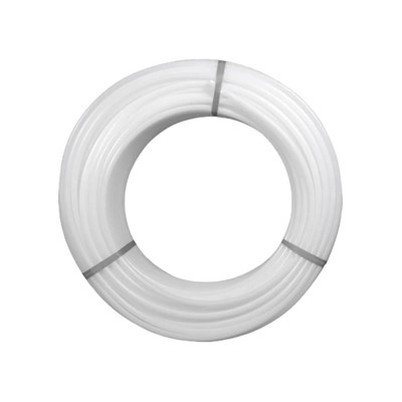
Is PERT tubing suitable for hot water systems?
Leave a message

Hey there! As a PERT tubing supplier, I often get asked if PERT tubing is suitable for hot water systems. Well, let's dive right into it and find out.
First off, let's understand what PERT tubing is. PERT stands for Polyethylene Raised Temperature. It's a type of plastic tubing that has gained popularity in the plumbing industry in recent years. PERT Tube is known for its flexibility, durability, and resistance to corrosion. These properties make it a great candidate for various plumbing applications, including hot water systems.
One of the key advantages of using PERT tubing in hot water systems is its ability to withstand high temperatures. PERT tubing is designed to handle temperatures up to around 95°C (203°F) continuously, which is more than sufficient for most domestic hot water applications. This means that it can safely carry hot water from your water heater to your faucets and appliances without any issues.
Another benefit is its flexibility. PERT tubing can be easily bent and shaped without the need for additional fittings in many cases. This makes installation a breeze, especially in tight spaces or around corners. You can save time and money on labor costs since you don't have to deal with as many joints and connections. Plus, fewer joints mean fewer potential leak points, which is always a good thing when it comes to hot water systems.
In terms of durability, PERT tubing is highly resistant to chemicals and scale buildup. Hot water systems are prone to scale formation due to the minerals in the water, which can clog pipes and reduce water flow over time. However, PERT tubing's smooth inner surface helps prevent scale from adhering to it, ensuring a longer lifespan for your plumbing system. It also doesn't corrode like metal pipes, which can rust and deteriorate over time, leading to leaks and other problems.
But it's not all sunshine and rainbows. There are a few things to consider when using PERT tubing in hot water systems. One concern is the potential for oxygen diffusion. PERT tubing is a plastic material, and like all plastics, it allows a small amount of oxygen to pass through its walls. In hot water systems, this oxygen can react with the metal components in the system, such as boilers and radiators, causing corrosion. To mitigate this issue, many PERT tubing products are now available with an oxygen barrier layer. This layer helps prevent oxygen from diffusing into the water, protecting your system's metal components.
Another factor to keep in mind is the quality of the PERT tubing. Not all PERT tubing is created equal. There are different grades and standards of PERT tubing available on the market, and it's important to choose a high-quality product that meets the relevant industry standards. As a supplier, I always recommend looking for PERT tubing that has been tested and certified for use in hot water systems. This ensures that the tubing will perform as expected and provide long-term reliability.
When it comes to installation, it's crucial to follow the manufacturer's guidelines. Improper installation can lead to leaks and other problems, even with the best-quality PERT tubing. Make sure to use the correct fittings and connection methods, and follow the recommended temperature and pressure ratings. It's also a good idea to have a professional plumber install the PERT tubing, especially if you're not experienced with plumbing work.
Now, let's talk about cost. PERT tubing is generally more affordable than traditional metal pipes, such as copper or steel. This makes it an attractive option for both residential and commercial hot water systems, especially when you consider the savings on installation costs. However, the cost can vary depending on the brand, quality, and size of the tubing. It's a good idea to get quotes from different suppliers to compare prices and find the best deal.
In conclusion, PERT tubing is a suitable option for hot water systems in many cases. Its ability to withstand high temperatures, flexibility, durability, and resistance to corrosion make it a great choice for both new installations and replacements. However, it's important to be aware of the potential issues, such as oxygen diffusion, and take the necessary steps to address them. By choosing a high-quality product and following the proper installation procedures, you can enjoy the benefits of PERT tubing in your hot water system for years to come.
If you're interested in using PERT tubing for your hot water system or have any questions, I'd love to hear from you. Just reach out, and we can discuss your specific needs and requirements. Whether you're a homeowner, a contractor, or a building developer, we can provide you with the right PERT tubing solutions at competitive prices. Let's work together to make your hot water system efficient, reliable, and cost-effective.
References


- "PERT Tubing: A Comprehensive Guide." Plumbing World Magazine.
- "Hot Water System Design and Installation Best Practices." National Association of Plumbing Contractors.