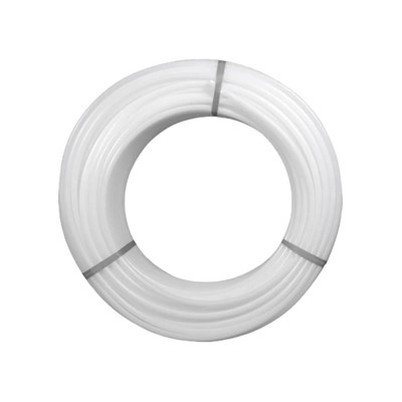
What is the hydraulic performance of a 50mm PEX pipe?
Leave a message

As a supplier of 50mm PEX pipes, I am often asked about the hydraulic performance of these pipes. In this blog post, I will delve into the key aspects of the hydraulic performance of 50mm PEX pipes, providing you with a comprehensive understanding to help you make informed decisions for your projects.
Flow Capacity
One of the primary considerations when evaluating the hydraulic performance of a pipe is its flow capacity. The flow capacity of a 50mm PEX pipe is determined by several factors, including the pipe's inner diameter, the roughness of the pipe wall, and the pressure differential across the pipe.
The inner diameter of a 50mm PEX pipe is typically around 46mm, which allows for a relatively large volume of fluid to pass through. Compared to other types of pipes with the same outer diameter, PEX pipes generally have a larger inner diameter due to their thinner wall thickness. This results in a higher flow capacity, making them suitable for applications where high flow rates are required.
The roughness of the pipe wall also plays a crucial role in determining the flow capacity. PEX pipes have a smooth inner surface, which reduces friction and allows for a more efficient flow of fluid. This smooth surface minimizes the loss of energy due to friction, resulting in a higher flow rate for a given pressure differential.
The pressure differential across the pipe is another important factor that affects the flow capacity. As the pressure differential increases, the flow rate through the pipe also increases. However, it is important to note that the flow rate is not directly proportional to the pressure differential. At higher pressures, the flow rate may increase at a slower rate due to the effects of turbulence and other factors.
Pressure Loss
In addition to flow capacity, pressure loss is another important aspect of the hydraulic performance of a 50mm PEX pipe. Pressure loss refers to the reduction in pressure that occurs as fluid flows through the pipe. This loss of pressure is due to several factors, including friction, turbulence, and changes in the pipe's diameter or direction.
Friction is the primary cause of pressure loss in a pipe. As fluid flows through the pipe, it rubs against the inner surface of the pipe, creating friction. This friction results in a loss of energy, which is manifested as a reduction in pressure. The amount of friction depends on several factors, including the roughness of the pipe wall, the flow rate, and the viscosity of the fluid.
Turbulence can also cause pressure loss in a pipe. Turbulence occurs when the flow of fluid becomes chaotic and irregular, resulting in the formation of eddies and vortices. These eddies and vortices increase the friction between the fluid and the pipe wall, leading to a higher pressure loss. Turbulence can be caused by several factors, including changes in the pipe's diameter or direction, the presence of fittings or valves, and high flow rates.
Changes in the pipe's diameter or direction can also cause pressure loss. When the diameter of the pipe decreases, the flow rate increases, which can lead to an increase in turbulence and friction. Similarly, when the pipe changes direction, the flow of fluid is disrupted, which can also cause turbulence and pressure loss.
Hydraulic Resistance
Hydraulic resistance is a measure of the opposition to the flow of fluid through a pipe. It is determined by several factors, including the pipe's inner diameter, the roughness of the pipe wall, the length of the pipe, and the flow rate.
The inner diameter of the pipe is one of the most important factors that affects the hydraulic resistance. As the inner diameter of the pipe decreases, the hydraulic resistance increases. This is because a smaller diameter pipe has a higher surface area to volume ratio, which results in more friction between the fluid and the pipe wall.
The roughness of the pipe wall also affects the hydraulic resistance. A rough pipe wall increases the friction between the fluid and the pipe wall, resulting in a higher hydraulic resistance. PEX pipes have a smooth inner surface, which reduces the hydraulic resistance and allows for a more efficient flow of fluid.
The length of the pipe is another important factor that affects the hydraulic resistance. As the length of the pipe increases, the hydraulic resistance also increases. This is because the fluid has to travel a longer distance through the pipe, which results in more friction and pressure loss.
The flow rate also affects the hydraulic resistance. As the flow rate increases, the hydraulic resistance also increases. This is because a higher flow rate results in more turbulence and friction, which increases the pressure loss.


Applications
The excellent hydraulic performance of 50mm PEX pipes makes them suitable for a wide range of applications. Some of the common applications of 50mm PEX pipes include:
- Plumbing Systems: 50mm PEX pipes are commonly used in plumbing systems for both residential and commercial buildings. Their high flow capacity and low pressure loss make them ideal for supplying water to multiple fixtures, such as toilets, sinks, and showers.
- Heating Systems: PEX pipes are also widely used in heating systems, such as radiant floor heating and baseboard heating. Their flexibility and resistance to corrosion make them easy to install and maintain, while their excellent hydraulic performance ensures efficient heat transfer.
- Irrigation Systems: 50mm PEX pipes can be used in irrigation systems to supply water to gardens, lawns, and agricultural fields. Their high flow capacity and low pressure loss make them suitable for delivering water over long distances.
- Industrial Applications: PEX pipes are also used in various industrial applications, such as chemical processing, food and beverage production, and pharmaceutical manufacturing. Their resistance to corrosion and chemicals makes them suitable for handling a wide range of fluids.
Advantages of Using 50mm PEX Pipes
There are several advantages to using 50mm PEX pipes in your projects. Some of the key advantages include:
- High Flow Capacity: As mentioned earlier, 50mm PEX pipes have a high flow capacity, which allows for a more efficient flow of fluid. This makes them suitable for applications where high flow rates are required.
- Low Pressure Loss: PEX pipes have a smooth inner surface, which reduces friction and pressure loss. This results in a lower energy consumption and a more efficient operation of the system.
- Flexibility: PEX pipes are highly flexible, which makes them easy to install in tight spaces and around obstacles. This reduces the need for fittings and joints, which can help to minimize the risk of leaks and pressure loss.
- Corrosion Resistance: PEX pipes are resistant to corrosion, which makes them suitable for use in a wide range of environments. This extends the lifespan of the pipes and reduces the need for maintenance and replacement.
- Cost-Effective: PEX pipes are generally more cost-effective than other types of pipes, such as copper and steel. This makes them a popular choice for both residential and commercial projects.
Conclusion
In conclusion, the hydraulic performance of a 50mm PEX pipe is excellent, making it a suitable choice for a wide range of applications. Its high flow capacity, low pressure loss, and hydraulic resistance make it an efficient and reliable option for delivering fluid. Whether you are looking for a pipe for your plumbing system, heating system, irrigation system, or industrial application, a 50mm PEX pipe is a great choice.
If you are interested in purchasing 50mm PEX pipes, please feel free to contact us for more information. We are a leading supplier of PEX Anti UV Pipe, PE-Xa Pipe ISO15875, and PE-Xa Pipe for Plumbing Pipe, and we can provide you with high-quality products at competitive prices.
References
- ASME MFC-5M-2016, Measurement of Fluid Flow in Pipes Using Orifice, Nozzle, and Venturi.
- ISO 16283-1:2014, Acoustics - Determination of sound insulation in buildings and of building elements - Laboratory measurement of airborne sound insulation.
- Crane Technical Paper No. 410M, Flow of Fluids Through Valves, Fittings, and Pipe.