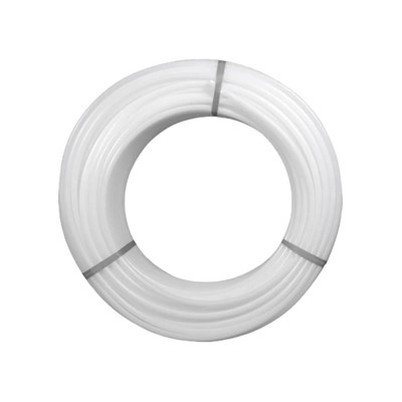
What is the expansion rate of water pex pipe when heated?
Leave a message

Hey there! As a supplier of water PEX pipes, I often get asked about how these pipes behave when they're heated. So, let's dive right into it and talk about the expansion rate of water PEX pipes when heated.
First off, what's PEX pipe? PEX stands for cross - linked polyethylene. It's a type of plastic pipe that's widely used in plumbing systems, especially for water supply and floor heating. One of the great things about PEX pipes is their flexibility and durability, but how do they react when the water inside them gets hot?
The expansion rate of a material is basically how much it grows in size when its temperature goes up. For water PEX pipes, this expansion rate is influenced by a few factors. The type of PEX pipe matters a lot. There are different types, like PE - Xa, PE - Xb, and PE - Xc. Each type has a slightly different molecular structure due to the cross - linking process, which in turn affects how it expands when heated.
PE - Xa pipes, for example, are made using the peroxide method of cross - linking. They have a relatively high degree of cross - linking, which gives them excellent flexibility and resistance to high temperatures. When heated, PE - Xa pipes expand at a rate that's generally within a predictable range. This is important because in a plumbing system, you don't want the pipes to expand so much that they cause leaks or damage to the surrounding fixtures.
The expansion rate of PEX pipes is usually measured in inches per linear foot per degree Fahrenheit (or in metric, millimeters per meter per degree Celsius). On average, for a typical PEX pipe, the expansion rate can be around 0.03 - 0.04 inches per linear foot for every 100°F increase in temperature. But this can vary depending on the specific product and the conditions.
Let's talk about why this expansion rate is such a big deal. In a floor heating system, for instance, the water in the PEX pipes can get quite hot. The pipes are installed under the floor, and as the water heats up, the pipes expand. If the expansion isn't properly accounted for, it could lead to problems like the pipes buckling or the floorboards being damaged. That's why it's crucial to choose the right type of PEX pipe for the job.

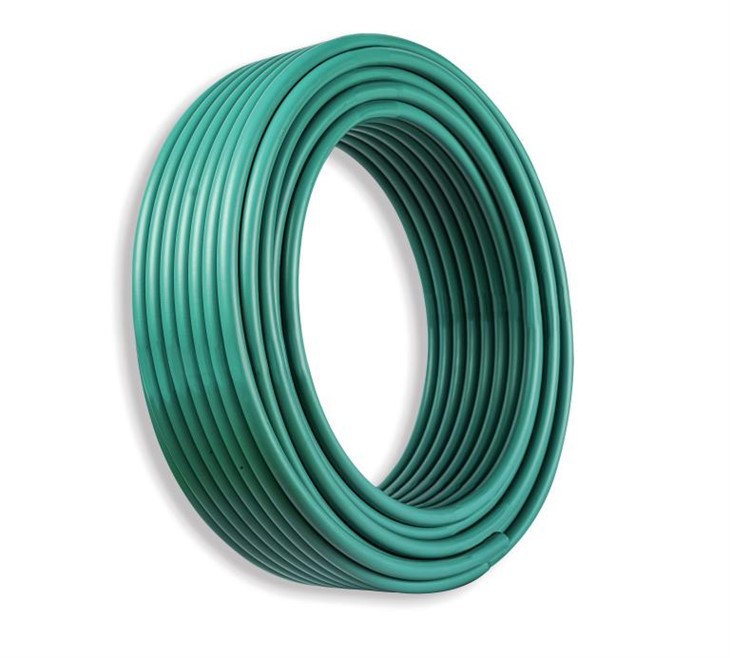
If you're considering using PEX pipes for floor heating, you might want to check out PEX Pipe for Floor Heating. This page has more detailed information about the specific PEX pipes that are best suited for this application.
Another important aspect is the watermark on the PEX pipes. The PE - Xa Pipe Watermark is an indication of the pipe's quality and compliance with industry standards. Pipes with the proper watermark are more likely to have consistent expansion rates and other performance characteristics.
UV radiation can also affect PEX pipes. Over time, exposure to sunlight can degrade the material and potentially change its expansion rate. That's where PEX Anti UV Pipe comes in. These pipes are specially designed to resist the harmful effects of UV rays, ensuring that their expansion rate remains stable even when exposed to outdoor conditions.
Now, let's look at how to calculate the expansion of PEX pipes in a real - world scenario. Say you have a 100 - foot long PEX pipe in a water heating system. The water temperature increases by 80°F. Using the average expansion rate of 0.03 inches per linear foot per 100°F, we can calculate the expansion. First, we find the expansion per 100°F for the 100 - foot pipe, which would be 0.03 inches/foot x 100 feet = 3 inches. But our temperature increase is only 80°F, so we need to adjust. We can set up a proportion: (expansion at 80°F) / 80°F = 3 inches / 100°F. Solving for the expansion at 80°F, we get (3 inches x 80°F) / 100°F = 2.4 inches.
This calculation shows that even a relatively small temperature change can result in a noticeable amount of expansion. That's why proper installation techniques are so important. When installing PEX pipes, installers need to leave enough room for expansion, usually by using expansion loops or flexible connections.
In addition to the type of PEX pipe and the temperature change, the pressure inside the pipes can also influence the expansion rate. Higher pressure can cause the pipes to expand more, but the relationship between pressure and expansion is a bit more complex and can vary depending on the pipe's wall thickness and other factors.
As a water PEX pipe supplier, I've seen firsthand how important it is to understand these technical details. Whether you're a contractor working on a large - scale building project or a homeowner doing a DIY plumbing job, getting the right PEX pipe with the appropriate expansion rate is crucial for a successful installation.
If you're in the market for high - quality water PEX pipes, I'd love to talk to you. We have a wide range of products to suit different needs, whether it's for floor heating, potable water supply, or other applications. Don't hesitate to reach out if you have any questions or if you're ready to start a purchase. We can discuss your specific requirements and help you choose the best PEX pipes for your project.
References:
- "Plumbing Engineering Design Handbook"
- Manufacturer's technical specifications for PEX pipes