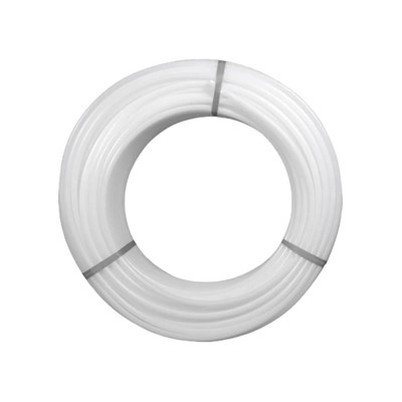
What is the electrical conductivity of a 16mm PEX pipe?
Leave a message

Hey there! As a supplier of 16mm PEX pipes, I often get asked about the electrical conductivity of these pipes. So, let's dive right into it and explore what the electrical conductivity of a 16mm PEX pipe is all about.
First off, let's understand what PEX is. PEX stands for cross - linked polyethylene. It's a type of plastic that's been around for a while and is super popular in plumbing applications. The 16mm size is a common one, used in various setups like floor heating and water supply systems.
Now, when it comes to electrical conductivity, PEX pipes are generally considered to be insulators. That means they don't conduct electricity very well, if at all. The reason for this lies in the chemical structure of polyethylene. Polyethylene is made up of long chains of carbon and hydrogen atoms. These chains are held together by strong covalent bonds, and there aren't many free electrons available to carry an electric current.
In most cases, the electrical conductivity of PEX is extremely low. This is a great feature, especially in plumbing. For example, in a PEX Pipe for Water Supply, you don't want the pipe to conduct electricity. If there were an electrical leak in the vicinity, a non - conductive PEX pipe would prevent the electricity from spreading through the water in the pipe, which could be extremely dangerous.
In floor heating systems, like those using PEX Pipe for Floor Heating, the low electrical conductivity is also crucial. The heating elements in these systems are designed to generate heat through electrical resistance. You don't want the PEX pipes to interfere with the electrical circuits or cause any short - circuits. The PEX acts as a safe enclosure for the hot water that circulates to heat the floor.
However, it's important to note that the electrical conductivity can be affected by a few factors. One of these is the presence of impurities. If there are any conductive particles or additives in the PEX material during the manufacturing process, it could potentially increase the conductivity. But in high - quality 16mm PEX pipes, the manufacturers take great care to keep impurities to a minimum.
Another factor is moisture. While PEX itself is a good insulator, if it gets wet or is exposed to a very humid environment for a long time, the water on the surface could potentially conduct electricity. But this is more about the water on the pipe rather than the PEX material itself. In normal, dry conditions, the PEX will maintain its insulating properties.
Now, let's talk a bit about how this low electrical conductivity benefits us as suppliers and you as customers. For us, it means that we can offer a safe product. We don't have to worry about any electrical - related issues when our 16mm PEX pipes are installed in different systems. And for you, it gives you peace of mind. You know that when you use our PEX pipes in your plumbing or heating projects, you're using a material that won't pose an electrical hazard.
If you're working on a project that involves connecting different parts of the plumbing system, you might also need fittings like the Ppsu Elbow 90°. These fittings are also designed to work well with the low - conductivity PEX pipes. They ensure a secure and leak - free connection while maintaining the overall electrical safety of the system.
When it comes to choosing the right 16mm PEX pipe, it's not just about the electrical conductivity. You also need to consider factors like durability, flexibility, and resistance to chemicals. Our 16mm PEX pipes are made to be tough and long - lasting. They can withstand a wide range of temperatures and pressures, making them suitable for both residential and commercial applications.
In residential settings, you can use our PEX pipes for your home's water supply system. They're easy to install, which means you can save on labor costs. And in commercial buildings, the low electrical conductivity and high durability make them a great choice for large - scale plumbing and heating systems.


If you're in the market for 16mm PEX pipes, I encourage you to get in touch with us. We have a wide range of products to meet your specific needs. Whether you're a contractor working on a big project or a DIY enthusiast looking to upgrade your home plumbing, we've got you covered. We can provide you with detailed information about our products, including specifications, installation guides, and pricing.
So, don't hesitate to reach out. We're here to help you make the best choice for your plumbing and heating needs. Whether it's for a simple water supply upgrade or a complex floor heating system, our 16mm PEX pipes are the way to go.
References
- "Handbook of Thermoplastics" by O. Olabisi. This book provides in - depth information about the properties of different thermoplastic materials, including polyethylene and its cross - linked forms.
- "Plumbing Engineering: Design and Installation" by C. J. Duffy. It offers practical insights into the use of PEX pipes in plumbing systems and their electrical safety aspects.