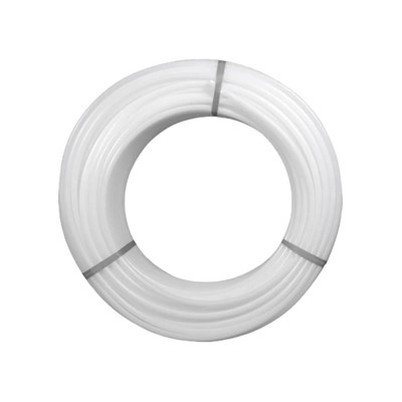
What are the requirements for using PERT tubing in geothermal heating systems?
Leave a message

Hey there! As a supplier of PERT tubing, I've had my fair share of questions about using PERT tubing in geothermal heating systems. So, I thought I'd share some insights on what it takes to use PERT tubing effectively in these systems.
Compatibility with Geothermal Fluids
First off, let's talk about the fluids used in geothermal heating systems. These systems typically use a mixture of water and antifreeze as a heat transfer fluid. PERT tubing needs to be compatible with these fluids. The good news is that PERT tubing is resistant to a wide range of chemicals, including the common antifreeze agents like ethylene glycol and propylene glycol. This resistance ensures that the tubing won't degrade over time due to contact with the geothermal fluid. It's important to note that different formulations of antifreeze can have varying effects on the tubing, so it's always a good idea to check with the fluid manufacturer and ensure that the PERT tubing you're using is approved for use with that specific fluid. PERT Tube
Temperature Resistance
Geothermal heating systems operate over a range of temperatures. The fluid in the ground loop can be as cold as a few degrees Celsius in winter and can reach up to around 30 - 40 degrees Celsius when it returns to the heat pump. PERT tubing is designed to handle these temperature variations. It has a high melting point and good flexibility at low temperatures. This means that it won't become brittle in cold conditions or start to deform when exposed to higher temperatures. For example, PERT tubing can typically withstand continuous operating temperatures of up to 95 degrees Celsius and short - term peaks of up to 110 degrees Celsius. This temperature resistance is crucial for the long - term performance of the geothermal system.
Pressure Rating
Another key requirement is the pressure rating of the PERT tubing. Geothermal systems rely on pumps to circulate the fluid through the ground loop. These pumps create pressure within the tubing. The PERT tubing needs to be able to handle this pressure without leaking or bursting. The pressure rating of PERT tubing can vary depending on its thickness and diameter. For most residential geothermal systems, a pressure rating of at least 16 bar (232 psi) is recommended. However, in larger commercial systems where the pumping requirements are higher, tubing with a higher pressure rating, say 20 bar (290 psi) or more, might be necessary.
UV Resistance
During the installation process, the PERT tubing may be exposed to sunlight for a certain period. UV rays can cause the tubing to degrade over time, making it weaker and more prone to damage. That's why PERT tubing used in geothermal systems should have good UV resistance. Some manufacturers add UV stabilizers to the tubing material during the production process. This helps to protect the tubing from the harmful effects of sunlight. If the tubing is going to be exposed to sunlight for an extended period during installation, it's a good idea to cover it with a UV - resistant tarp or store it in a shaded area.
Bend Radius
When installing PERT tubing in a geothermal ground loop, it often needs to be bent around corners and obstacles. The tubing should have a reasonable bend radius. A smaller bend radius allows for more flexible installation, especially in tight spaces. PERT tubing has excellent flexibility, and it can typically be bent to a radius of about 5 - 6 times its outer diameter without kinking or causing damage to the tubing. This flexibility makes it easier to install the tubing in various ground loop configurations, such as horizontal or vertical loops.


Chemical Resistance
Apart from the geothermal fluid, the PERT tubing may come into contact with other chemicals in the ground. Soil can contain various substances like acids, alkalis, and salts. The tubing needs to be resistant to these chemicals to ensure its long - term durability. PERT tubing is generally resistant to a wide range of chemical substances found in soil. However, in areas with highly acidic or alkaline soil, it's advisable to conduct a soil analysis before installation. If necessary, additional protective measures can be taken, such as using a chemical - resistant coating on the tubing or choosing a different installation location.
Jointing and Sealing
Proper jointing and sealing of the PERT tubing are essential for the integrity of the geothermal system. There are different methods for joining PERT tubing, such as heat fusion and mechanical connections. Heat fusion creates a permanent, leak - free joint by melting the ends of the tubing together. This method is preferred in most geothermal installations as it provides a strong and reliable connection. Mechanical connections, on the other hand, use fittings and seals to join the tubing. While they are easier to install, they may require more maintenance and are more prone to leaks over time. Whichever method is used, it's crucial to ensure that the joints are properly sealed to prevent fluid leakage, which can reduce the efficiency of the geothermal system.
Certification and Standards
It's important to use PERT tubing that meets relevant industry standards and certifications. Standards like ISO 22391 (Plastics piping systems for hot and cold water installations - Polyethylene of raised temperature resistance (PE - RT)) ensure that the tubing meets certain quality and performance criteria. Certification from independent testing agencies provides an additional level of assurance that the tubing is suitable for use in geothermal heating systems. When purchasing PERT tubing, always ask for the relevant certificates and documentation to ensure that you're getting a high - quality product.
Long - Term Durability
Geothermal systems are designed to last for decades. The PERT tubing used in these systems should also have a long service life. The material properties of PERT tubing, such as its resistance to temperature, pressure, chemicals, and UV rays, contribute to its long - term durability. A well - installed and maintained PERT tubing in a geothermal system can last for 50 years or more. This long - term durability is one of the reasons why PERT tubing is a popular choice for geothermal applications.
Cost - Effectiveness
Finally, cost is always a consideration. PERT tubing offers a good balance between cost and performance. Compared to some other types of tubing used in geothermal systems, it is relatively inexpensive. Its ease of installation also helps to reduce labor costs. When evaluating the cost - effectiveness of PERT tubing, it's important to consider not only the upfront cost but also the long - term maintenance and replacement costs. Since PERT tubing has a long service life and requires minimal maintenance, it can be a cost - effective choice in the long run.
If you're in the market for PERT tubing for your geothermal heating system, I'd love to chat. Whether you have questions about the requirements, need help with product selection, or want to discuss pricing, feel free to reach out. We're here to help you get the best PERT tubing for your geothermal project.
References
- "Geothermal Heating and Cooling Systems: Design of Ground - Source Heat Pump Systems" by John W. Lund
- Manufacturer's specifications for PERT tubing
- ISO 22391: Plastics piping systems for hot and cold water installations - Polyethylene of raised temperature resistance (PE - RT)