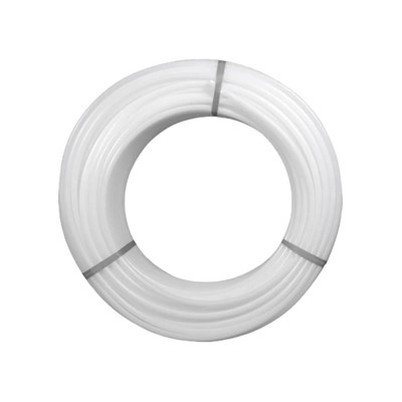
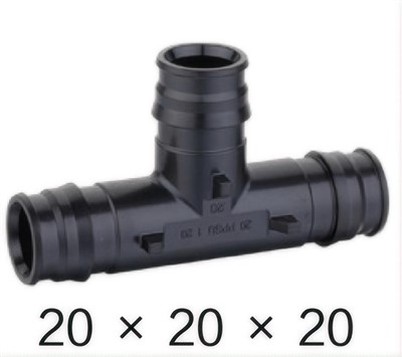
What is the difference between different types of 3 inch pex pipes?
Leave a message

As a supplier of 3-inch PEX pipes, I often encounter inquiries from customers about the differences between various types of these pipes. In this blog, I will delve into the characteristics, applications, and distinctions of different 3-inch PEX pipes to help you make an informed decision when choosing the right product for your project.
Understanding PEX Pipes
PEX, or cross-linked polyethylene, is a type of plastic pipe that has gained popularity in plumbing and heating systems due to its flexibility, durability, and resistance to corrosion. Cross-linking is a process that creates bonds between the polymer chains in polyethylene, enhancing its mechanical properties and chemical resistance. There are three main types of PEX pipes: PEX-A, PEX-B, and PEX-C, each with its own unique manufacturing process and characteristics.
PEX-A Pipes
PEX-A pipes are produced using the Engel method, which involves cross-linking the polyethylene under high pressure and temperature. This process results in a highly uniform and consistent cross-linking structure, giving PEX-A pipes excellent flexibility, memory, and resistance to stress cracking. PEX-A pipes can be bent to a tight radius without the need for elbows or fittings, making them ideal for applications where space is limited or where a smooth flow of water is required.


One of the key advantages of PEX-A pipes is their ability to "self-heal" minor scratches and abrasions. When a PEX-A pipe is bent or deformed, the molecular structure of the material allows it to return to its original shape, reducing the risk of leaks and failures over time. PEX-A pipes are also resistant to chlorine and other chemicals commonly found in water supplies, making them suitable for both potable and non-potable water applications.
In addition to their flexibility and durability, PEX-A pipes are also known for their high temperature and pressure ratings. They can withstand temperatures up to 200°F (93°C) and pressures up to 160 psi, making them suitable for use in hot water heating systems and other high-pressure applications. PEX Anti UV Pipe is a type of PEX-A pipe that is specifically designed to resist the damaging effects of ultraviolet (UV) radiation, making it ideal for outdoor applications.
PEX-B Pipes
PEX-B pipes are produced using the Silane method, which involves cross-linking the polyethylene through a chemical reaction with silane. This process results in a more random cross-linking structure compared to PEX-A pipes, giving PEX-B pipes slightly less flexibility and memory. However, PEX-B pipes are still highly durable and resistant to corrosion, making them a popular choice for a wide range of plumbing applications.
One of the main advantages of PEX-B pipes is their lower cost compared to PEX-A pipes. They are also easier to install, as they do not require special tools or techniques. PEX-B pipes can be joined using a variety of methods, including crimping, clamping, and push-fit connections, making them suitable for both DIY and professional installation.
PEX-B pipes are suitable for both hot and cold water applications, but they have a lower temperature and pressure rating compared to PEX-A pipes. They can withstand temperatures up to 180°F (82°C) and pressures up to 100 psi, making them suitable for most residential and commercial plumbing systems. Ppsu Elbow 90° is a type of fitting that can be used with PEX-B pipes to create a 90-degree bend in the pipeline.
PEX-C Pipes
PEX-C pipes are produced using the Electron Beam method, which involves cross-linking the polyethylene using high-energy electron beams. This process results in a highly uniform and consistent cross-linking structure, giving PEX-C pipes similar properties to PEX-A pipes in terms of flexibility and durability. However, PEX-C pipes are less commonly used compared to PEX-A and PEX-B pipes due to their higher cost and limited availability.
One of the key advantages of PEX-C pipes is their excellent resistance to oxygen diffusion. Oxygen diffusion can cause corrosion and rust in metal pipes and fittings, leading to premature failure of the plumbing system. PEX-C pipes have a lower oxygen permeability compared to PEX-A and PEX-B pipes, making them suitable for use in hydronic heating systems and other applications where oxygen diffusion is a concern.
PEX-C pipes are also known for their high temperature and pressure ratings. They can withstand temperatures up to 200°F (93°C) and pressures up to 160 psi, making them suitable for use in hot water heating systems and other high-pressure applications. PE-Xa Pipe Watermark is a type of PEX-C pipe that is specifically designed to meet the requirements of the Watermark Certification Scheme, which ensures that the pipe is suitable for use in potable water applications.
Choosing the Right 3-Inch PEX Pipe
When choosing a 3-inch PEX pipe for your project, it is important to consider the specific requirements of your application. Factors such as temperature, pressure, chemical resistance, and installation method should all be taken into account. Here are some general guidelines to help you choose the right type of PEX pipe:
- PEX-A pipes: If you need a highly flexible and durable pipe that can withstand high temperatures and pressures, PEX-A pipes are the best choice. They are ideal for applications where space is limited or where a smooth flow of water is required, such as in radiant heating systems or under-floor plumbing.
- PEX-B pipes: If you are looking for a cost-effective and easy-to-install pipe that is suitable for most residential and commercial plumbing applications, PEX-B pipes are a good option. They are less flexible than PEX-A pipes but still offer excellent durability and resistance to corrosion.
- PEX-C pipes: If you need a pipe that is highly resistant to oxygen diffusion and can withstand high temperatures and pressures, PEX-C pipes are the best choice. They are ideal for use in hydronic heating systems and other applications where oxygen diffusion is a concern.
Contact Us for Procurement
If you have any questions or need further information about our 3-inch PEX pipes, please do not hesitate to contact us. Our team of experts is available to assist you in choosing the right product for your project and to provide you with a competitive quote. We look forward to working with you and helping you achieve your plumbing goals.
References
- "PEX Pipe: A Comprehensive Guide." PlumbingSupply.com.
- "Cross-Linked Polyethylene (PEX) Pipe and Fittings." International Association of Plumbing and Mechanical Officials (IAPMO).
- "PEX Pipe Installation Guide." Uponor.