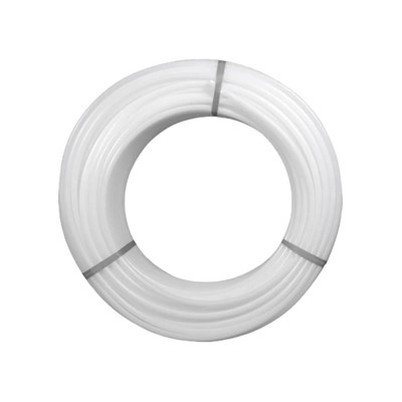
What is the bending radius of a 50mm PEX pipe?
Leave a message

When it comes to plumbing and heating systems, PEX pipes have become a popular choice due to their flexibility, durability, and ease of installation. As a supplier of 50mm PEX pipes, I often get asked about the bending radius of these pipes. In this blog post, I'll delve into what the bending radius of a 50mm PEX pipe is, why it matters, and how it impacts your projects.
Understanding the Bending Radius
The bending radius of a pipe refers to the minimum radius at which the pipe can be bent without causing damage, such as kinking or reducing the internal diameter. For a 50mm PEX pipe, the bending radius is a crucial factor to consider during installation. It determines how easily the pipe can be routed around obstacles, through walls, and in tight spaces.

The bending radius of a 50mm PEX pipe is typically influenced by several factors, including the type of PEX material, the wall thickness of the pipe, and the temperature at which the bending occurs. Generally, PEX pipes have a relatively small bending radius compared to other types of pipes, making them highly flexible and suitable for a wide range of applications.
Factors Affecting the Bending Radius
PEX Material Type
There are different types of PEX materials, such as PE-Xa, PE-Xb, and PE-Xc. Each type has its own unique properties that can affect the bending radius. For instance, PE-Xa Pipe NSF is known for its high degree of cross-linking, which gives it excellent flexibility and a relatively small bending radius. On the other hand, PE-Xb and PE-Xc may have slightly different bending characteristics.
Wall Thickness
The wall thickness of the 50mm PEX pipe also plays a role in determining the bending radius. Thicker walls generally result in a larger bending radius, as they are more rigid and less flexible. Conversely, pipes with thinner walls can be bent more easily and have a smaller bending radius. However, it's important to note that the wall thickness should also be sufficient to withstand the pressure and stress of the plumbing or heating system.
Temperature
Temperature can have a significant impact on the bending radius of a PEX pipe. At higher temperatures, the pipe becomes more flexible, allowing for a smaller bending radius. Conversely, at lower temperatures, the pipe becomes more rigid, and the bending radius increases. Therefore, it's important to consider the ambient temperature during installation and take appropriate measures to ensure that the pipe can be bent safely.
Typical Bending Radius for a 50mm PEX Pipe
The typical bending radius for a 50mm PEX pipe can vary depending on the factors mentioned above. However, as a general guideline, the bending radius for a 50mm PEX pipe is usually around 5 to 10 times the outer diameter of the pipe. For a 50mm pipe, this would translate to a bending radius of approximately 250mm to 500mm.
It's important to note that these are just approximate values, and the actual bending radius may vary depending on the specific PEX material, wall thickness, and installation conditions. Therefore, it's always recommended to refer to the manufacturer's specifications and guidelines for the exact bending radius of the 50mm PEX pipe you are using.
Importance of the Bending Radius
The bending radius of a 50mm PEX pipe is not just a technical specification; it has practical implications for the installation and performance of the plumbing or heating system. Here are some reasons why the bending radius matters:
Ease of Installation
A smaller bending radius allows the pipe to be routed more easily around obstacles, through tight spaces, and in complex layouts. This can significantly reduce the time and effort required for installation, especially in retrofit projects or buildings with limited space.
Avoiding Damage
Bending the pipe beyond its recommended bending radius can cause damage, such as kinking or reducing the internal diameter. This can restrict the flow of water or other fluids, leading to reduced performance and potential plumbing problems. By following the recommended bending radius, you can ensure that the pipe remains intact and functions properly.
System Performance
The bending radius can also affect the performance of the plumbing or heating system. A kinked or restricted pipe can cause pressure drops, uneven flow distribution, and increased energy consumption. By maintaining the proper bending radius, you can ensure that the system operates efficiently and effectively.
Applications of 50mm PEX Pipes
50mm PEX pipes are commonly used in a variety of applications, including:
Radiant Floor Heating
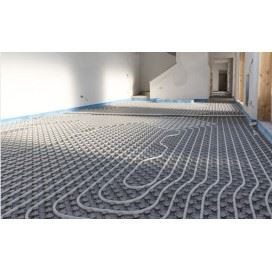
PEX Pipe for Floor Heating is a popular choice for radiant floor heating systems. The flexibility of 50mm PEX pipes allows them to be easily installed in a serpentine pattern under the floor, providing efficient and comfortable heating.
Plumbing Systems
50mm PEX pipes are also used in plumbing systems for both residential and commercial buildings. They can be used for water supply lines, hot and cold water distribution, and other plumbing applications. The flexibility of the pipes makes them easy to install and reduces the need for additional fittings and connections.
Snow Melting Systems
In cold climates, 50mm PEX pipes can be used in snow melting systems. The pipes are installed under driveways, sidewalks, and other surfaces to circulate warm water and melt snow and ice. The flexibility of the pipes allows them to be easily installed in complex layouts and around obstacles.
Tips for Bending 50mm PEX Pipes
To ensure a successful installation and maintain the integrity of the 50mm PEX pipe, here are some tips for bending the pipes:
Use the Right Tools
Invest in high-quality bending tools specifically designed for PEX pipes. These tools can help you achieve the desired bending radius without causing damage to the pipe.
Heat the Pipe
If necessary, you can heat the pipe to make it more flexible. However, be careful not to overheat the pipe, as this can cause it to deform or lose its properties. Use a heat gun or a hot water bath to gently heat the pipe to the recommended temperature.
Bend Slowly and Carefully
When bending the pipe, do it slowly and carefully to avoid kinking or cracking. Use a bending spring or a mandrel to support the pipe and maintain the proper shape.
Follow the Manufacturer's Guidelines
Always refer to the manufacturer's specifications and guidelines for the recommended bending radius, installation procedures, and any other relevant information. This will ensure that you install the pipe correctly and avoid any potential problems.
Conclusion
In conclusion, the bending radius of a 50mm PEX pipe is an important factor to consider during installation. It affects the ease of installation, the integrity of the pipe, and the performance of the plumbing or heating system. By understanding the factors that influence the bending radius, following the recommended guidelines, and using the right tools and techniques, you can ensure a successful installation and a reliable system.
If you're in the market for 50mm PEX pipes or have any questions about the bending radius or other aspects of PEX pipe installation, I encourage you to reach out to us. We're a leading supplier of high-quality 50mm PEX pipes and can provide you with the products and expertise you need for your project. Contact us today to discuss your requirements and explore how our 50mm PEX pipes can meet your needs.
References
- PEX Pipe Handbook, Manufacturer's Guide
- Plumbing and Heating Codes and Standards
- Technical Literature on PEX Materials and Applications