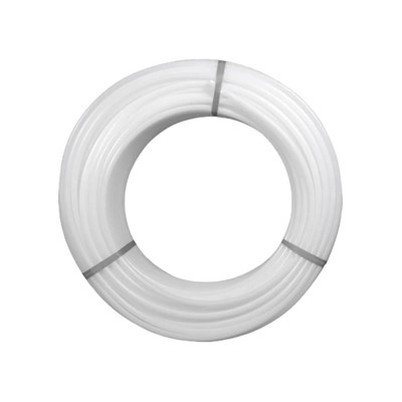
What is the abrasion resistance of pex - a pipes?
Leave a message

Abrasion resistance is a crucial factor to consider when evaluating the performance and durability of pipes, especially in applications where they may be exposed to rough surfaces, moving objects, or abrasive materials. As a trusted PEX - A pipe supplier, I am often asked about the abrasion resistance of PEX - A pipes. In this blog, I will delve into the details of what abrasion resistance means for PEX - A pipes, the factors that influence it, and how it compares to other types of pipes.
Understanding Abrasion Resistance
Abrasion resistance refers to a material's ability to withstand wear and tear caused by friction when it comes into contact with another surface. For pipes, this is particularly important in situations such as underground installations where the pipes may rub against soil particles, rocks, or other debris. In industrial settings, pipes may also be exposed to abrasive fluids or slurries that can gradually erode the pipe walls.
PEX - A pipes, which are made from cross - linked polyethylene, have unique molecular structures that contribute to their mechanical properties, including abrasion resistance. The cross - linking process creates a three - dimensional network of polymer chains, which enhances the material's strength and toughness.
Factors Influencing the Abrasion Resistance of PEX - A Pipes
Material Properties
The quality of the polyethylene resin used in PEX - A pipes is a fundamental factor. High - density polyethylene (HDPE) generally offers better abrasion resistance compared to low - density polyethylene (LDPE). The degree of cross - linking also plays a significant role. A higher degree of cross - linking results in a more rigid and durable structure, which can better resist abrasion.
Pipe Wall Thickness
Thicker pipe walls provide more material to withstand abrasion. In applications where high levels of abrasion are expected, pipes with increased wall thickness can be specified. However, it's important to balance the need for abrasion resistance with other factors such as cost and flexibility.
Environmental Conditions
The environment in which the pipes are installed can greatly affect their abrasion resistance. For example, in a dry, sandy environment, the abrasive action of sand particles can be more severe. Similarly, the presence of chemicals in the fluid flowing through the pipes can either enhance or degrade the pipe's ability to resist abrasion. Some chemicals may react with the polyethylene, causing it to become more brittle and less resistant to wear.
Comparing PEX - A Pipes with Other Pipe Materials
Metal Pipes
Metal pipes, such as steel and copper, are known for their strength. However, they are also prone to corrosion, which can significantly reduce their abrasion resistance over time. In contrast, PEX - A pipes are corrosion - resistant, maintaining their abrasion - resistant properties even in harsh chemical environments. Metal pipes may also be more susceptible to surface damage from impacts, which can lead to accelerated abrasion at the damaged areas.
PVC Pipes
PVC pipes are commonly used in plumbing applications. While they are relatively inexpensive and lightweight, their abrasion resistance is generally lower than that of PEX - A pipes. PVC is a more brittle material compared to cross - linked polyethylene, and it can crack or chip when exposed to abrasive forces. PEX - A pipes, on the other hand, are more flexible and can better absorb the energy from abrasive impacts without sustaining significant damage.
Applications Benefiting from PEX - A Pipe Abrasion Resistance
Underfloor Heating Systems
In underfloor heating installations, PEX - A pipes are often used. The pipes are typically laid under the floor, where they may come into contact with the sub - floor surface. The abrasion resistance of PEX - A pipes ensures that they can withstand the friction during installation and long - term use without developing leaks or damage.
Industrial Fluid Transfer
In industrial settings, PEX - A pipes can be used to transfer abrasive fluids such as slurries or wastewater containing solid particles. Their ability to resist abrasion helps to extend the service life of the pipes, reducing maintenance costs and downtime.

Irrigation Systems
In agricultural irrigation, PEX - A pipes are exposed to soil and sand particles during installation and operation. The abrasion resistance of these pipes allows them to function effectively in these conditions, delivering water to crops without being damaged by the abrasive materials in the soil.
How Our PEX - A Pipes Excel in Abrasion Resistance
As a PEX - A pipe supplier, we take pride in offering products that meet high standards of abrasion resistance. Our PE - Xa Pipe ISO15875 and PE - Xa Pipe NSF are manufactured using top - quality polyethylene resins with an optimal degree of cross - linking. We also offer a range of wall thicknesses to suit different applications and abrasion requirements.
Our pipes undergo rigorous testing to ensure that they can withstand the expected levels of abrasion in various environments. Whether it's for a small - scale residential project or a large - scale industrial installation, our PEX - A pipes are designed to provide reliable performance and long - term durability.
Additional Considerations for Maintaining Abrasion Resistance
While PEX - A pipes have inherent abrasion - resistant properties, proper installation and maintenance are essential to maximize their lifespan. During installation, care should be taken to avoid sharp edges or rough surfaces that could damage the pipes. Protective sleeves or padding can be used in areas where the pipes are likely to come into contact with abrasive materials.
Regular inspection of the pipes is also recommended. Any signs of abrasion, such as scratches or thinning of the pipe wall, should be monitored closely. In some cases, minor abrasion can be addressed by applying a protective coating or by replacing the affected section of the pipe.
Related Products for Complementary Use
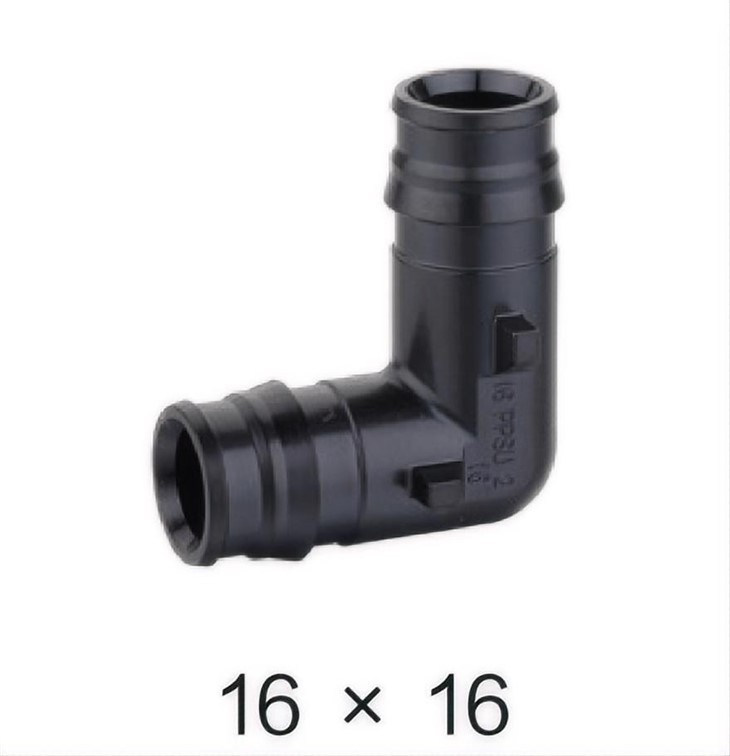
In addition to our high - quality PEX - A pipes, we also offer Ppsu Elbow 90°, which are designed to be used in conjunction with our pipes. These elbows are made from polyphenylsulfone (PPSU), a material known for its excellent chemical resistance and mechanical strength. They can help to complete your piping system and ensure smooth fluid flow, even in areas where the pipes need to change direction.
Contact Us for Your PEX - A Pipe Needs
If you are looking for reliable PEX - A pipes with outstanding abrasion resistance, we are here to help. Our team of experts can provide you with detailed information about our products, assist you in selecting the right pipe for your application, and answer any questions you may have. Whether you are a contractor, an engineer, or a homeowner, we are committed to providing you with the best solutions for your piping needs.
Get in touch with us to start a discussion about your project and explore how our PEX - A pipes can meet your requirements. We look forward to working with you to ensure the success of your piping installation.
References
- ASTM International. (Year). Standard test methods for abrasion resistance of plastic materials. ASTM D4060.
- ISO 15875 - 2: (Year). Plastics piping systems for hot and cold water installations - Cross - linked polyethylene (PE - X) - Part 2: Pipes.
- NSF International. (Year). NSF/ANSI 61: Drinking Water System Components – Health Effects.