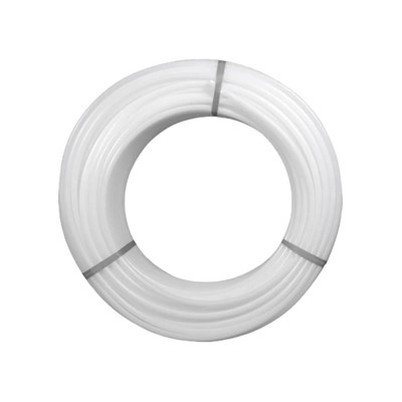
What insulation materials are suitable for PE - Xa Pipe NSF?
Leave a message

As a supplier of PE-Xa Pipe NSF, I am often asked about the most suitable insulation materials for these pipes. In this blog post, I'll share insights on the best insulation options to enhance the performance and longevity of PE-Xa Pipe NSF.
Understanding PE-Xa Pipe NSF
Before delving into insulation materials, it's essential to understand what PE-Xa Pipe NSF is. PE-Xa stands for cross-linked polyethylene of the peroxide method. The NSF (National Sanitation Foundation) certification ensures that the pipe meets strict standards for use in potable water systems. These pipes are known for their flexibility, durability, and resistance to high temperatures and pressure, making them a popular choice in various plumbing and heating applications.
Importance of Insulation for PE-Xa Pipe NSF
Insulating PE-Xa Pipe NSF offers several benefits. Firstly, it helps to maintain the temperature of the fluid flowing through the pipes. In hot water systems, insulation reduces heat loss, leading to energy savings. Conversely, in cold water systems, it prevents the pipes from freezing during cold weather, which could cause the pipes to burst. Additionally, insulation can reduce noise transmission, providing a quieter environment in buildings.
Suitable Insulation Materials
1. Polyethylene Foam
Polyethylene foam is a lightweight and flexible insulation material that is well - suited for PE-Xa Pipe NSF. It has a low thermal conductivity, which means it can effectively reduce heat transfer. The closed - cell structure of polyethylene foam makes it resistant to moisture, preventing the growth of mold and mildew. It is also easy to install, as it can be easily cut and wrapped around the pipes. This material is available in various thicknesses, allowing for customization based on the specific insulation requirements.
2. Fiberglass Insulation
Fiberglass insulation is a popular choice for many piping systems, including PE-Xa Pipe NSF. It is made of fine glass fibers and has excellent thermal insulation properties. Fiberglass insulation can withstand high temperatures, making it suitable for hot water pipes. It is also fire - resistant, which adds an extra layer of safety. However, it should be handled with care as the fine glass fibers can be irritating to the skin, eyes, and respiratory system. Professional installation is often recommended when using fiberglass insulation.
3. Mineral Wool
Mineral wool is another effective insulation material for PE-Xa Pipe NSF. It is made from natural or synthetic minerals and has a high melting point, providing good fire protection. Mineral wool also has excellent sound - absorbing properties, reducing noise from the flow of water in the pipes. It is resistant to moisture and pests, ensuring long - term performance. However, like fiberglass, it can be irritating to the skin and respiratory system, so proper safety measures should be taken during installation.
4. Rubber Insulation
Rubber insulation, particularly closed - cell rubber, is a great option for PE-Xa Pipe NSF. It has a high resistance to water vapor, which helps to prevent condensation on the pipes. This is especially important in humid environments. Rubber insulation is also flexible and easy to install, and it can conform to the shape of the pipes. It provides good thermal insulation and is resistant to aging and chemicals.
Factors to Consider When Choosing Insulation
When selecting an insulation material for PE-Xa Pipe NSF, several factors should be considered:
1. Thermal Conductivity
The thermal conductivity of the insulation material is a crucial factor. A lower thermal conductivity means better insulation performance, as it reduces the rate of heat transfer. This will lead to energy savings and more efficient operation of the piping system.
2. Moisture Resistance
Since PE-Xa Pipe NSF is often used in plumbing systems, the insulation material should be resistant to moisture. Moisture can reduce the effectiveness of insulation and lead to the growth of mold and mildew. Closed - cell insulation materials, such as polyethylene foam and rubber insulation, are particularly good at resisting moisture.
3. Fire Resistance
In some applications, fire resistance is an important consideration. Fiberglass and mineral wool are known for their fire - resistant properties, which can provide an added level of safety in buildings.
4. Installation Ease
The ease of installation can also affect the choice of insulation material. Materials that are lightweight and flexible, such as polyethylene foam and rubber insulation, are generally easier to install than heavier materials like mineral wool or fiberglass.


5. Cost
Cost is always a factor in any construction or plumbing project. Different insulation materials have different price points, and it's important to balance the cost with the performance and longevity of the insulation.
Other Related Products
In addition to PE-Xa Pipe NSF, we also offer PE-Xa Pipe ISO15875, which meets international standards for hot and cold water installations in buildings. Our PEX Anti UV Pipe is designed to resist the damaging effects of ultraviolet radiation, making it suitable for outdoor applications.
Conclusion
Choosing the right insulation material for PE-Xa Pipe NSF is crucial for the efficient and long - term performance of the piping system. Polyethylene foam, fiberglass, mineral wool, and rubber insulation are all suitable options, each with its own advantages. By considering factors such as thermal conductivity, moisture resistance, fire resistance, installation ease, and cost, you can select the insulation material that best meets your needs.
If you are interested in our PE-Xa Pipe NSF products or need more information about insulation materials, please feel free to contact us for procurement and further discussions. We are committed to providing high - quality products and excellent service to our customers.
References
- ASHRAE Handbook of Fundamentals. American Society of Heating, Refrigerating and Air - Conditioning Engineers.
- National Sanitation Foundation (NSF) Standards for Piping Systems.
- ISO 15875 - Standards for Cross - Linked Polyethylene (PE - X) Piping Systems for Hot and Cold Water Installations in Buildings.