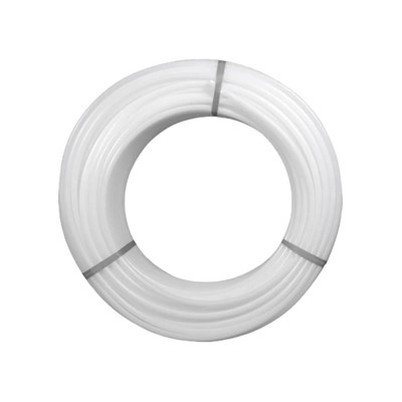
What are the temperature and pressure ratings of PE - Xa/EVOH Pipe?
Leave a message

When it comes to plumbing and heating systems, the choice of pipes is crucial for ensuring long - term performance and durability. As a leading supplier of PE - Xa/EVOH pipes, I am often asked about the temperature and pressure ratings of these pipes. In this blog post, I will delve into the details of these ratings and explain why PE - Xa/EVOH pipes are an excellent choice for various applications.
Understanding PE - Xa/EVOH Pipes
Before we discuss the temperature and pressure ratings, let's briefly understand what PE - Xa/EVOH pipes are. PE - Xa stands for cross - linked polyethylene of type a, which is a high - performance plastic material. The cross - linking process enhances the mechanical properties of polyethylene, making it more resistant to heat, chemicals, and stress cracking. EVOH, or ethylene - vinyl alcohol copolymer, is a barrier layer that is used in combination with PE - Xa. This layer provides excellent oxygen barrier properties, preventing oxygen from permeating into the fluid inside the pipes. This is particularly important in heating systems, as oxygen can cause corrosion in metal components.
You can learn more about PE - Xa/EVOH Pipe on our website.


Temperature Ratings
The temperature rating of a pipe is a critical factor, as it determines the maximum and minimum temperatures at which the pipe can safely operate. For PE - Xa/EVOH pipes, the temperature ratings are quite impressive.
Maximum Temperature Rating
PE - Xa/EVOH pipes can typically withstand continuous operating temperatures of up to 95°C (203°F). This makes them suitable for a wide range of applications, including hot water distribution systems in residential and commercial buildings, as well as in underfloor heating systems. In underfloor heating, the water circulating through the pipes needs to be at a relatively high temperature to effectively heat the floor and the room. The ability of PE - Xa/EVOH pipes to handle these high temperatures ensures reliable and efficient operation.
In some cases, these pipes can even tolerate short - term peak temperatures of up to 110°C (230°F). However, it's important to note that continuous exposure to such high temperatures can reduce the lifespan of the pipes. Therefore, it's recommended to keep the operating temperature within the continuous rating for optimal performance.
Minimum Temperature Rating
On the other end of the spectrum, PE - Xa/EVOH pipes have a low - temperature flexibility that allows them to operate at temperatures as low as - 40°C (- 40°F). This makes them suitable for use in cold climates, where the pipes may be exposed to freezing temperatures. The flexibility of the pipes at low temperatures helps prevent cracking and damage that could occur if the pipes were rigid and brittle. For example, in outdoor plumbing applications or in unheated basements in cold regions, PE - Xa/EVOH pipes can maintain their integrity and functionality.
Pressure Ratings
In addition to temperature, the pressure rating of a pipe is also an important consideration. The pressure rating indicates the maximum pressure that the pipe can withstand without failing.
Working Pressure Rating
PE - Xa/EVOH pipes are designed to handle a wide range of working pressures. Under normal operating conditions, these pipes can typically withstand a working pressure of up to 10 bar (145 psi). This is sufficient for most residential and commercial plumbing and heating applications. For example, in a typical domestic hot water system, the water pressure is usually around 3 - 5 bar. The ability of PE - Xa/EVOH pipes to handle higher pressures provides a safety margin and ensures reliable operation even in systems with slightly higher pressure requirements.
Burst Pressure Rating
The burst pressure rating is the pressure at which the pipe will rupture. PE - Xa/EVOH pipes have a high burst pressure rating, typically around 40 bar (580 psi). This high burst pressure provides an extra layer of safety, as it means that the pipes can withstand significant pressure spikes without failing. Pressure spikes can occur due to factors such as water hammer, which is a sudden increase in pressure caused by the rapid closing of a valve. The high burst pressure rating of PE - Xa/EVOH pipes helps protect the plumbing system from damage in such situations.
Factors Affecting Temperature and Pressure Ratings
It's important to note that the temperature and pressure ratings of PE - Xa/EVOH pipes can be affected by several factors.
Pipe Size
The size of the pipe can have an impact on its temperature and pressure ratings. Generally, smaller diameter pipes can handle higher pressures than larger diameter pipes. This is because the wall thickness of the pipe relative to its diameter is greater in smaller pipes, providing more strength and resistance to pressure. However, the temperature rating is less affected by pipe size, as the material properties of PE - Xa/EVOH remain relatively consistent regardless of the pipe diameter.
Installation Conditions
The way the pipes are installed can also affect their performance. Proper installation is crucial to ensure that the pipes can operate within their temperature and pressure ratings. For example, if the pipes are installed in a way that restricts their expansion and contraction due to temperature changes, it can put additional stress on the pipes and reduce their lifespan. Similarly, if the pipes are not properly supported, they may be more prone to damage from pressure fluctuations.
Fluid Type
The type of fluid flowing through the pipes can also have an impact on the temperature and pressure ratings. While PE - Xa/EVOH pipes are resistant to many common fluids, some chemicals or substances may affect the material properties of the pipes over time. For example, exposure to certain solvents or aggressive chemicals can cause the pipes to degrade, reducing their ability to withstand high temperatures and pressures.
Why Choose PE - Xa/EVOH Pipes?
Given their excellent temperature and pressure ratings, PE - Xa/EVOH pipes offer several advantages over other types of pipes.
Durability
The high - temperature and pressure resistance of PE - Xa/EVOH pipes contribute to their long - term durability. They can withstand the rigors of daily use in various applications without significant wear and tear. This means that once installed, they can provide reliable service for many years, reducing the need for frequent replacements.
Corrosion Resistance
Unlike metal pipes, PE - Xa/EVOH pipes are not susceptible to corrosion. The EVOH barrier layer further enhances this resistance by preventing oxygen from reaching the fluid inside the pipes, which can cause corrosion in metal components in the plumbing system. This makes PE - Xa/EVOH pipes an ideal choice for applications where corrosion is a concern, such as in heating systems with metal radiators or boilers.
Flexibility
PE - Xa/EVOH pipes are highly flexible, which makes them easy to install. They can be bent and curved without the need for additional fittings in many cases, reducing the number of joints in the plumbing system. Fewer joints mean fewer potential leak points, improving the overall reliability of the system.
Contact Us for Your PE - Xa/EVOH Pipe Needs
If you are in the market for high - quality PE - Xa/EVOH pipes, look no further. As a trusted supplier, we offer a wide range of PE - Xa/EVOH pipes in various sizes and configurations to meet your specific needs. Our pipes are manufactured to the highest standards, ensuring excellent temperature and pressure ratings and long - term performance.
Whether you are a contractor working on a new construction project, a building owner looking to upgrade your plumbing system, or an engineer designing a heating system, we can provide you with the right pipes and technical support. Contact us today to discuss your requirements and start a procurement negotiation. We are committed to providing you with the best products and services at competitive prices.
References
- ASTM International. (20XX). Standard specifications for cross - linked polyethylene (PE - X) plastic hot - and cold - water distribution systems.
- ISO (International Organization for Standardization). (20XX). ISO standards related to plastic pipes for plumbing and heating applications.