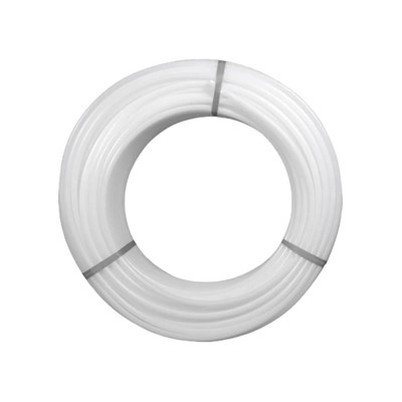
What are the disadvantages of pex - a pipes?
Leave a message

As a PEX - A pipe supplier, I often encounter customers who are highly interested in the benefits of PEX - A pipes, such as their flexibility, durability, and resistance to corrosion. However, it's essential to present a balanced view of any product. In this blog, I'll explore the disadvantages of PEX - A pipes to help potential buyers make more informed decisions.
1. Oxygen Permeation
One of the significant drawbacks of PEX - A pipes is their susceptibility to oxygen permeation. PEX - A, like other PEX materials, is a plastic polymer. These polymers have a molecular structure that allows oxygen molecules to pass through them over time. When oxygen permeates into the water system, it can cause several problems.
In heating systems, oxygen can lead to corrosion of metal components such as boilers, radiators, and valves. The presence of oxygen in the water promotes the oxidation process, which can significantly reduce the lifespan of these metal parts. For example, a study by the Plumbing Manufacturers International found that in systems with high oxygen permeation, the corrosion rate of iron - based components can increase by up to 50% compared to systems with proper oxygen - barrier protection.
To mitigate this issue, some PEX - A pipes are coated with an oxygen - barrier layer. However, these coated pipes are more expensive than their non - coated counterparts. Additionally, the integrity of the oxygen - barrier layer can be compromised during installation if the pipe is kinked or damaged, rendering the barrier ineffective.
2. Chemical Compatibility
PEX - A pipes may not be compatible with all types of chemicals. Some common household chemicals, such as certain drain cleaners and solvents, can cause damage to the PEX - A material. These chemicals can weaken the pipe's structure, leading to cracks and leaks over time.
For instance, harsh alkaline or acidic drain cleaners can react with the PEX - A polymer, causing it to swell or degrade. This degradation can start as small micro - cracks in the pipe wall, which gradually expand and eventually lead to a complete failure of the pipe. A research from the American Society of Plumbing Engineers indicates that exposure to certain industrial solvents can reduce the burst pressure of PEX - A pipes by up to 30%.
When using PEX - A pipes in areas where chemical exposure is possible, it's crucial to ensure that proper precautions are taken. This may include using alternative, PEX - A - friendly cleaning products or installing the pipes in a way that minimizes their contact with potentially harmful chemicals.
3. Temperature Limitations
Although PEX - A pipes are known for their ability to withstand a wide range of temperatures, they still have their limitations. At high temperatures, PEX - A pipes can soften and lose their structural integrity. The maximum continuous operating temperature for most PEX - A pipes is around 95°C (203°F). If the water temperature exceeds this limit, the pipe may deform, leading to reduced flow rates and potential leaks.
On the other hand, at extremely low temperatures, PEX - A pipes can become brittle. In freezing conditions, the water inside the pipes can expand as it turns to ice. If the pipe is not properly insulated or protected, the expansion can cause the pipe to crack. A study by the National Association of Home Builders showed that in areas with severe winter climates, unprotected PEX - A pipes have a higher risk of freezing - related failures compared to metal pipes.
To address these temperature - related issues, proper insulation and temperature control systems need to be installed. This adds to the overall cost and complexity of the plumbing system.
4. Installation Challenges
While PEX - A pipes are generally easier to install than traditional metal pipes, they also present some unique installation challenges. One of the main issues is the need for specialized tools. To make proper connections with PEX - A pipes, installers need to use crimping or expansion tools. These tools can be expensive, and improper use can lead to leaky connections.
For example, if the crimping tool is not adjusted correctly, the crimp ring may not be tightened enough, causing water to seep out at the connection point. Additionally, the installation process requires careful measurement and cutting of the pipes. If the pipes are cut at an angle or not to the correct length, it can affect the fit of the fittings and lead to installation problems.
Another challenge is the potential for kinking during installation. PEX - A pipes are flexible, but excessive bending or kinking can damage the pipe wall and reduce its performance. Installers need to be trained to handle the pipes properly to avoid these issues.
5. UV Sensitivity
PEX - A pipes are sensitive to ultraviolet (UV) radiation. When exposed to direct sunlight for extended periods, the UV rays can break down the polymer chains in the PEX - A material, causing it to become brittle and lose its strength. This can lead to cracks and leaks in the pipe over time.
If PEX - A pipes are to be installed outdoors or in areas with significant sunlight exposure, they need to be protected. One option is to use PEX Anti UV Pipe, which is specially designed to resist UV damage. However, these pipes are more expensive than standard PEX - A pipes.
6. Long - Term Performance Concerns
There are still some long - term performance concerns associated with PEX - A pipes. Since PEX - A is a relatively new material compared to traditional plumbing materials like copper and steel, there is limited long - term data on its performance in all types of environments.


Some studies have raised questions about the potential for PEX - A pipes to release chemicals into the water over time. Although current regulations limit the amount of chemicals that can be released, the long - term effects of these trace chemicals on human health are still being studied.
In addition, the long - term durability of PEX - A pipes in high - pressure or high - stress applications is not fully understood. There have been reports of PEX - A pipes failing prematurely in some industrial or commercial settings, although these cases are relatively rare.
Conclusion
Despite these disadvantages, PEX - A pipes still have many advantages and are widely used in a variety of plumbing applications. The key is to be aware of the potential drawbacks and take appropriate measures to mitigate them.
If you're considering using PEX - A pipes for your project, I encourage you to contact us for more information. We can provide you with detailed product specifications, installation guides, and advice on how to address the potential issues associated with PEX - A pipes. Our team of experts is ready to assist you in making the best decision for your plumbing needs. Whether you're looking for PPSU Tee or PE - Xa Pipe ISO15875, we have a wide range of products to meet your requirements. Feel free to reach out to us for a consultation and let's discuss how we can work together to ensure a successful plumbing project.
References
- Plumbing Manufacturers International. "Study on Oxygen Permeation in PEX Pipes."
- American Society of Plumbing Engineers. "Chemical Compatibility of PEX Pipes."
- National Association of Home Builders. "Freezing - Related Failures in PEX Pipes."