What are the design considerations for using 3/4 pex piping in a multi - family dwelling?
Leave a message

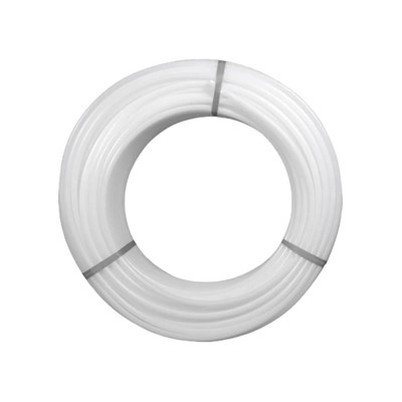
Hey there! As a supplier of 3/4 PEX piping, I've seen firsthand the growing popularity of this material in multi - family dwellings. It's a great choice for a bunch of reasons, but there are also some important design considerations to keep in mind. Let's dive right in!
Compatibility with the System
First off, you gotta make sure that the 3/4 PEX piping is compatible with the overall plumbing system in the multi - family dwelling. This includes the water source, the distribution network, and the fixtures. For instance, if the building is connected to a municipal water supply, the PEX piping should be able to handle the water pressure and quality.
The 3/4 size is ideal for larger multi - family buildings because it can carry a sufficient amount of water to multiple units simultaneously. But you need to check if the existing water supply lines can feed into the 3/4 PEX pipes without any issues. Sometimes, you might need to install a booster pump if the water pressure from the main supply is too low.
Expansion and Contraction
PEX is a flexible material, which is both a blessing and a curse. It expands and contracts with temperature changes, and in a multi - family dwelling where the water temperature can vary a lot, this needs to be accounted for. You don't want the pipes to burst or cause leaks due to excessive expansion.
To deal with this, proper anchoring and support of the pipes are crucial. You should use hangers and straps at regular intervals to keep the pipes in place. Also, leave some room for expansion in the pipe runs, especially in long straight sections. This can prevent stress on the joints and fittings, which could lead to failures over time.
Chemical Resistance
In a multi - family building, the water might contain various chemicals, such as chlorine from the municipal treatment, or additives from water softeners. The 3/4 PEX piping needs to be resistant to these chemicals to ensure a long lifespan.
Most modern PEX pipes are designed to be chemically resistant, but it's still a good idea to check the manufacturer's specifications. If you're dealing with a particularly harsh water chemistry, you might want to consider using a PEX pipe with enhanced chemical resistance, like the PEX Anti UV Pipe. This type of pipe is not only resistant to UV rays but also has better chemical - resistant properties.
Noise Reduction
Living in a multi - family dwelling means that noise can be a big issue. Water flowing through the pipes can create a lot of noise, which can be annoying for the residents. The 3/4 PEX piping can help reduce this noise to some extent because of its flexibility.
However, you can take additional steps to further reduce noise. For example, you can insulate the pipes with foam or rubber insulation. This not only reduces the noise but also helps with energy efficiency by preventing heat loss from hot water pipes.
Installation Ease
One of the biggest advantages of using 3/4 PEX piping in a multi - family dwelling is its ease of installation. It's much lighter and more flexible than traditional copper or PVC pipes, which makes it quicker and easier to install.
You can bend the PEX pipes around corners without the need for a lot of fittings, which reduces the chances of leaks. But you still need to follow the proper installation procedures. Make sure the pipes are cut cleanly and the fittings are properly installed. Using the right tools, such as a PEX crimping tool, is essential for a secure connection.
Fittings and Connections
The fittings and connections are just as important as the pipes themselves. You need to choose high - quality fittings that are compatible with the 3/4 PEX piping. There are different types of fittings available, such as compression fittings, crimp fittings, and push - to - connect fittings.
Each type has its own advantages and disadvantages. Compression fittings are easy to install but might not be as secure as crimp fittings in high - pressure applications. Crimp fittings, on the other hand, require a special tool but provide a very reliable connection. Push - to - connect fittings are the quickest to install but might be more expensive. You can also consider using PPSU Tee fittings, which are known for their durability and chemical resistance.
Future Expansion
When designing the plumbing system for a multi - family dwelling with 3/4 PEX piping, you should also think about future expansion. The building might need to add more units or make changes to the existing plumbing layout in the future.
The PEX piping system should be designed in a way that allows for easy expansion. This means leaving some extra pipe runs and accessible shut - off valves. You can also use a modular design approach, where different sections of the plumbing system can be easily added or modified without disrupting the whole system.
Cost - Effectiveness
Cost is always a major consideration in any construction project. The 3/4 PEX piping is generally more cost - effective than traditional materials like copper. It's cheaper to buy, and the installation costs are also lower because of its ease of installation.
However, you need to consider the long - term costs as well. The lifespan of PEX piping is usually quite long, but you still need to factor in the cost of maintenance and potential repairs. Overall, though, the cost - effectiveness of 3/4 PEX piping makes it a great choice for multi - family dwellings.


Heat Transfer
In a multi - family dwelling, especially if there's a floor heating system, heat transfer is an important factor. PEX Pipe for Floor Heating is designed to have good heat transfer properties.
The 3/4 PEX piping can be used effectively in floor heating systems because it can distribute the heat evenly across the floor. You need to make sure that the pipes are installed at the right spacing and depth to achieve optimal heat transfer. Also, the water flow rate through the pipes should be adjusted properly to maintain the desired temperature.
Code Compliance
Last but not least, you need to make sure that the use of 3/4 PEX piping in the multi - family dwelling complies with all the local building codes and regulations. Different areas might have different requirements regarding the type of piping, installation methods, and safety features.
Before starting the project, check with the local building department to get all the necessary permits and approvals. Make sure that your design and installation meet all the code requirements to avoid any legal issues down the road.
In conclusion, using 3/4 PEX piping in a multi - family dwelling has a lot of benefits, but it also requires careful design considerations. From compatibility and expansion to cost - effectiveness and code compliance, every aspect needs to be taken into account.
If you're planning a multi - family dwelling project and are interested in using 3/4 PEX piping, I'd love to have a chat with you. We can discuss your specific needs and come up with the best solution for your project. Feel free to reach out to me to start the procurement and negotiation process.
References
- "Plumbing Engineering for Buildings" by James R. O'Brian
- "PEX Pipe Handbook" by The Plastic Pipe and Fittings Association