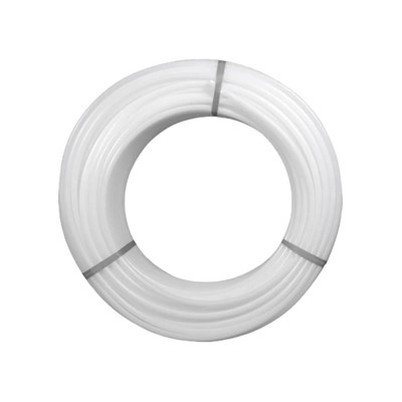
How to conduct a simple quality inspection of Pex heating pipe?
Leave a message

As a supplier of Pex heating pipes, ensuring the quality of our products is of utmost importance. A simple quality inspection can help us and our customers identify potential issues early on and guarantee the reliability and performance of the pipes. In this blog post, I'll share some practical steps on how to conduct a simple quality inspection of Pex heating pipes.
Visual Inspection
The first step in the quality inspection process is a thorough visual examination. This can reveal obvious defects that might affect the functionality and durability of the pipes.

Surface Condition
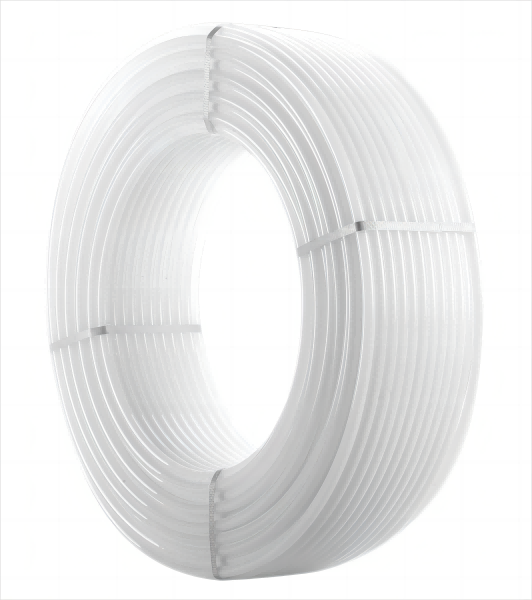
Start by checking the surface of the Pex heating pipe. It should be smooth and free from scratches, cracks, or other visible damage. Scratches can weaken the pipe's structure and make it more susceptible to leaks over time. Cracks, even small ones, are a serious issue as they can lead to immediate or future failures. Inspect the entire length of the pipe, paying close attention to the areas near the joints.
Color Consistency
The color of the Pex pipe should be consistent throughout. Any significant variations in color might indicate problems with the manufacturing process or the use of sub - standard materials. For example, discoloration could be a sign of over - heating during production, which can degrade the pipe's properties.
Markings and Labels
Verify that the pipe has clear and accurate markings. These markings usually include information such as the pipe size, material type, and pressure ratings. Incorrect or missing markings can lead to improper installation and usage, which may compromise the safety and performance of the heating system. For more information on specific types of Pex pipes, you can visit PE - Xa Pipe for Plumbing Pipe.
Dimensional Inspection
Ensuring that the Pex heating pipe meets the correct dimensions is crucial for a proper fit and function within the heating system.
Outer Diameter
Use a caliper to measure the outer diameter of the pipe at multiple points along its length. The measured values should be within the specified tolerance range. An inconsistent outer diameter can cause problems during installation, such as difficulty in connecting fittings or improper sealing.
Wall Thickness
Similarly, measure the wall thickness of the pipe. A uniform wall thickness is essential for maintaining the pipe's strength and pressure - bearing capacity. A thinner wall than specified can lead to premature failure under pressure, while an overly thick wall may increase the cost and reduce the flexibility of the pipe.
Length
Check the length of the pipe to ensure it matches the stated length. Although a small deviation in length may not be critical in some cases, significant discrepancies can cause issues during installation, especially in systems where precise pipe lengths are required.
Material and Chemical Inspection
The quality of the material used in Pex heating pipes directly affects their performance and longevity.
Material Type Verification
Confirm that the pipe is made of the correct Pex material type. Different types of Pex, such as PE - Xa, PE - Xb, and PE - Xc, have different properties and are suitable for different applications. You can find more details about PE - Xa pipes on PE - Xa Pipe NSF.
Chemical Resistance
Pex heating pipes should be resistant to chemicals commonly found in heating systems, such as water additives and corrosion inhibitors. A simple way to test this is to expose a small sample of the pipe to a solution similar to the expected chemical environment in the heating system. Observe if there are any signs of swelling, discoloration, or degradation after a certain period.
Cross - Linking Degree
The cross - linking degree of Pex pipes is an important factor in determining their mechanical and thermal properties. A higher cross - linking degree generally results in better heat resistance, pressure resistance, and chemical resistance. There are specialized testing methods to measure the cross - linking degree, but for a simple inspection, you can refer to the manufacturer's specifications and certifications.
Joint and Fitting Inspection
The joints and fittings are critical components of the Pex heating system, as they are potential points of leakage.
Fitting Compatibility
Ensure that the fittings used with the Pex pipes are compatible. They should be designed to work with the specific type and size of the Pex pipe. Using incompatible fittings can lead to leaks, reduced flow rates, and system failures.
Joint Integrity
Inspect the joints for proper installation. The joints should be tight and free from gaps or misalignments. You can gently tug on the fittings to check for any looseness. For 90 - degree joints, you can explore Ppsu Elbow 90° which offers reliable solutions.
Sealing Performance
Check the sealing performance of the joints. A simple way is to pressurize the system with water or air and look for any signs of leakage at the joints. Even a small leak can lead to significant heat loss and water damage over time.
Pressure and Flow Testing
Pressure and flow testing can simulate the actual operating conditions of the Pex heating system and help identify any potential problems.
Pressure Testing
Pressurize the Pex pipe system to the recommended operating pressure and hold it for a specified period. Monitor the pressure gauge to ensure that the pressure remains stable. A drop in pressure may indicate a leak in the system. It's important to follow the safety guidelines during pressure testing to avoid any accidents.
Flow Testing
Measure the flow rate of water or the heating medium through the pipes. The flow rate should meet the design requirements of the heating system. A low flow rate can be caused by blockages, improper pipe sizing, or restrictions at the joints.
In conclusion, conducting a simple quality inspection of Pex heating pipes involves a combination of visual, dimensional, material, joint, and performance tests. By following these steps, we can ensure that our Pex heating pipes meet the highest standards of quality and reliability.
If you are interested in purchasing high - quality Pex heating pipes or have any questions about our products, please feel free to contact us for further discussion and negotiation. We are committed to providing you with the best solutions for your heating system needs.
References
- "Plastic Pipes Handbook" by Hermann Brandrup and E. H. Immergut
- "Pex Pipe Installation Guidelines" from industry standard organizations.