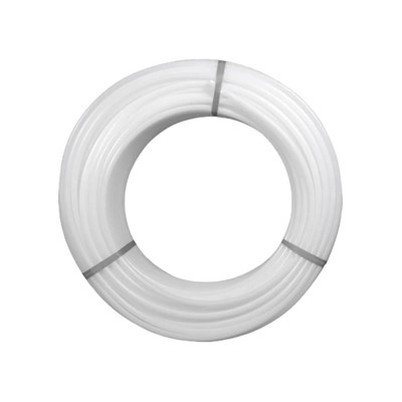
Is Pex tubing environmentally friendly?
Leave a message

Is Pex tubing environmentally friendly?
As a supplier of Pex tubing, I've often been asked about the environmental friendliness of our products. This is a crucial question in today's world, where environmental concerns are at the forefront of many purchasing decisions. In this blog post, I'll delve into the various aspects of Pex tubing to determine whether it can be considered an environmentally friendly option.
What is Pex Tubing?
Pex, or cross - linked polyethylene, is a type of plastic tubing that has gained significant popularity in plumbing and heating systems over the past few decades. It is known for its flexibility, durability, and resistance to freezing and corrosion. These properties make it a preferred choice for both residential and commercial applications, such as PEX Pipe for Floor Heating.
Raw Materials and Production
The primary raw material for Pex tubing is polyethylene, a thermoplastic polymer derived from petroleum. The extraction of petroleum is an energy - intensive process with significant environmental impacts, including habitat destruction, water pollution, and greenhouse gas emissions. However, the production of Pex tubing itself is relatively efficient compared to some other materials.
During the manufacturing process, polyethylene is cross - linked, which gives Pex its enhanced properties. There are different methods of cross - linking, such as the peroxide method, the silane method, and the electron beam method. Each method has its own energy requirements and environmental implications. For example, the peroxide method involves the use of chemical peroxides, which can have potential environmental risks if not properly managed. On the other hand, the electron beam method is a more energy - efficient and cleaner process as it doesn't require the use of additional chemicals.
Overall, while the raw material source has environmental drawbacks, the relatively efficient production processes of Pex tubing can offset some of these negative impacts.
Energy Efficiency
One of the significant environmental benefits of Pex tubing is its energy efficiency. In heating systems, Pex tubing's flexibility allows for more efficient installation, which can lead to better heat distribution. This means that less energy is required to maintain a comfortable temperature in a building. For instance, in floor heating systems using PEX Pipe for Floor Heating, the Pex tubing can be laid out in a way that maximizes heat transfer, reducing energy consumption compared to traditional heating systems.
In addition, Pex tubing has a lower thermal conductivity compared to some metals, which helps to minimize heat loss during the transportation of hot water. This further contributes to energy savings and a reduced carbon footprint.
Durability and Longevity
Pex tubing is highly durable and has a long lifespan. It is resistant to corrosion, scale buildup, and freeze - thaw cycles, which means it doesn't need to be replaced as frequently as other types of pipes. This reduces the amount of waste generated over time. A long - lasting Pex tubing system can serve a building for several decades, which is beneficial from an environmental perspective as it reduces the demand for new materials and the associated environmental impacts of manufacturing and disposal.
Recycling and Disposal
The recyclability of Pex tubing is a mixed bag. While Pex is a type of plastic, it is not as widely recycled as some other plastics. The cross - linking process that gives Pex its unique properties also makes it more difficult to recycle. However, some recycling facilities are starting to develop methods to recycle Pex tubing. When properly recycled, Pex can be turned into new products, reducing the need for virgin materials.
In terms of disposal, if Pex tubing cannot be recycled, it should be disposed of in an appropriate landfill. Since it is non - biodegradable, it can persist in the environment for a long time. However, compared to some other materials, such as metals that may leach harmful substances into the soil, Pex tubing is relatively inert and poses fewer risks to the environment during disposal.
Compatibility with Other Products
Pex tubing can be used in combination with other environmentally friendly products. For example, it can be paired with PPSU Tee, which is a type of fitting made from polyphenylsulfone. PPSU is a high - performance thermoplastic that is known for its chemical resistance, durability, and environmental friendliness. Using Pex tubing in conjunction with such eco - friendly fittings can enhance the overall environmental performance of a plumbing or heating system.


UV Resistance
Some Pex tubing, such as PEX Anti UV Pipe, is designed to resist the damaging effects of ultraviolet (UV) radiation. This is important for outdoor applications where the tubing is exposed to sunlight. By having UV - resistant properties, the Pex tubing can maintain its integrity and performance over a longer period, reducing the need for replacement and minimizing waste.
Conclusion
In conclusion, the environmental friendliness of Pex tubing is a complex issue with both positive and negative aspects. On the one hand, its energy efficiency, durability, and potential for recycling make it a relatively environmentally friendly option compared to some other materials. On the other hand, the fact that it is derived from petroleum and has limited recyclability pose challenges.
However, as technology advances, the environmental performance of Pex tubing is likely to improve. With more research and development, better recycling methods may be developed, and the production processes may become even more energy - efficient.
If you are considering using Pex tubing for your plumbing or heating project, I encourage you to reach out to us for more information. We can provide you with detailed product specifications and help you make an informed decision. Our team is committed to providing high - quality, environmentally - conscious Pex tubing solutions. Contact us to start a discussion about your specific needs and how our products can meet them.
References
- "Plastic Pipes: Properties, Design, and Applications" by Mohit Saxena
- Industry reports on Pex tubing manufacturing and environmental impacts