Is PEX - AL - PERT Pipe suitable for gas piping systems?
Leave a message

Is PEX - AL - PERT Pipe suitable for gas piping systems?
Hey there! I'm a supplier of PEX-AL-PERT Pipe, and I often get asked whether this type of pipe is suitable for gas piping systems. It's a valid question, considering the critical nature of gas systems and the importance of using the right materials. So, let's dive into this topic and explore the ins and outs of using PEX - AL - PERT Pipe for gas applications.
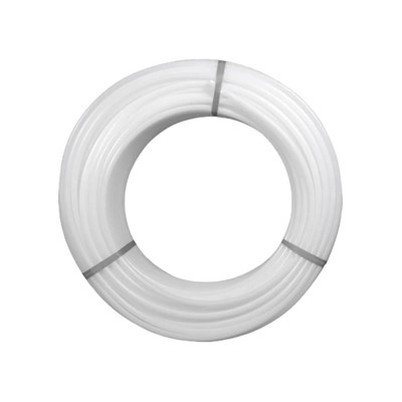
First off, let's understand what PEX - AL - PERT Pipe is. It's a multilayer composite pipe that combines the best features of different materials. The PEX (cross - linked polyethylene) layers offer flexibility, corrosion resistance, and good chemical stability. The AL (aluminum) layer in the middle provides strength, oxygen barrier properties, and dimensional stability. And the PERT (polyethylene of raised temperature resistance) layers add to the pipe's overall durability and performance.


Now, when it comes to gas piping systems, there are several factors we need to consider to determine if PEX - AL - PERT Pipe is a good fit.
Advantages of PEX - AL - PERT Pipe for Gas Piping
Flexibility
One of the biggest advantages of PEX - AL - PERT Pipe is its flexibility. Unlike traditional rigid pipes, it can be bent easily without the need for a lot of fittings. This makes installation a breeze, especially in areas where there are tight corners or complex layouts. You can save time and money on labor costs, as well as reduce the risk of leaks at fitting joints. For example, in a residential gas installation where the pipes need to snake around obstacles like beams and walls, the flexibility of PEX - AL - PERT Pipe allows for a more straightforward and efficient installation process.
Corrosion Resistance
Gas pipes are often exposed to various environmental conditions that can cause corrosion. PEX - AL - PERT Pipe is highly resistant to corrosion, which means it has a longer lifespan compared to metal pipes. Corrosion can lead to leaks, reduced gas flow, and even safety hazards. With PEX - AL - PERT Pipe, you don't have to worry about rust or other forms of corrosion eating away at the pipe over time. This makes it a reliable choice for long - term gas piping systems.
Oxygen Barrier
The aluminum layer in PEX - AL - PERT Pipe acts as an excellent oxygen barrier. Oxygen can cause problems in gas systems, such as promoting the growth of bacteria or causing oxidation of other components. By preventing oxygen from permeating through the pipe, the aluminum layer helps to maintain the quality of the gas and protect the integrity of the entire system. This is particularly important in systems where the gas is used for heating or cooking, as any contamination can affect the performance and safety of the appliances.
Dimensional Stability
PEX - AL - PERT Pipe has good dimensional stability, which means it won't expand or contract significantly with changes in temperature. This is crucial in gas piping systems, as any significant expansion or contraction can put stress on the pipes and fittings, leading to leaks. The combination of the PEX and PERT layers with the aluminum core helps to keep the pipe's shape and size consistent, ensuring a reliable and leak - free connection.
Challenges and Considerations
Compatibility with Gas
While PEX - AL - PERT Pipe has many advantages, it's important to note that not all types of gas are compatible with it. Natural gas and propane are the most commonly used gases in residential and commercial applications, and in many cases, PEX - AL - PERT Pipe can be used for these gases. However, it's essential to check the local building codes and regulations, as well as the manufacturer's specifications, to ensure that the pipe is approved for the specific type of gas you'll be using. Some gases may have chemical properties that can react with the pipe materials over time, so it's better to be safe than sorry.
Installation Requirements
Although PEX - AL - PERT Pipe is easy to install, it still requires proper installation techniques. The fittings used with the pipe need to be specifically designed for PEX - AL - PERT Pipe and installed correctly to ensure a secure and leak - free connection. Improper installation can lead to serious safety issues, such as gas leaks. It's recommended that only trained and qualified installers handle the installation of gas piping systems using PEX - AL - PERT Pipe.
Fire Resistance
Another consideration is the fire resistance of PEX - AL - PERT Pipe. While it has some level of fire resistance, it may not be as fire - resistant as some traditional metal pipes. In areas where fire safety is a major concern, additional fire - protection measures may need to be taken. For example, the pipes may need to be installed in fire - rated enclosures or protected with fire - retardant coatings.
Industry Standards and Regulations
In the United States, the installation of gas piping systems is regulated by the National Fuel Gas Code (NFPA 54). This code sets out the requirements for the design, installation, and maintenance of gas piping systems, including the types of materials that can be used. Many local building codes also adopt these standards, so it's important to comply with them when using PEX - AL - PERT Pipe for gas applications.
In other countries, there are similar standards and regulations. For example, in Europe, the European Standard EN 1555 covers the requirements for plastic pipes and fittings for the supply of gaseous fuels. Before using PEX - AL - PERT Pipe for gas, make sure it meets the relevant standards and has the necessary approvals.
Real - World Applications
There are many real - world applications where PEX - AL - PERT Pipe has been successfully used in gas piping systems. In residential construction, it's often used for supplying gas to stoves, water heaters, and furnaces. Its flexibility and ease of installation make it a popular choice for new home builds and renovations. In commercial buildings, such as restaurants and hotels, PEX - AL - PERT Pipe can be used to supply gas to kitchen equipment and heating systems.
However, it's important to note that in some high - rise buildings or industrial applications, the use of PEX - AL - PERT Pipe may be more restricted due to safety and regulatory requirements. These types of applications often have more stringent standards for gas piping systems, and other materials may be preferred.
Conclusion
So, is PEX - AL - PERT Pipe suitable for gas piping systems? The answer is that it can be, but it depends on several factors. It offers many advantages, such as flexibility, corrosion resistance, oxygen barrier properties, and dimensional stability. However, it also has some challenges, including compatibility with gas, installation requirements, and fire resistance.
If you're considering using PEX - AL - PERT Pipe for your gas piping system, I recommend consulting with a professional engineer or a qualified installer. They can help you determine if it's the right choice for your specific application, and ensure that all the necessary codes and regulations are followed.
As a PEX - AL - PERT Pipe supplier, I'm here to provide you with high - quality pipes and all the information you need to make an informed decision. If you're interested in learning more about our products or have any questions about using PEX - AL - PERT Pipe for gas piping systems, feel free to reach out. We're ready to assist you with your procurement needs and help you create a safe and reliable gas piping system.
References
- National Fire Protection Association. (2023). National Fuel Gas Code (NFPA 54).
- European Committee for Standardization. (2019). EN 1555: Plastic pipes and fittings for the supply of gaseous fuels.