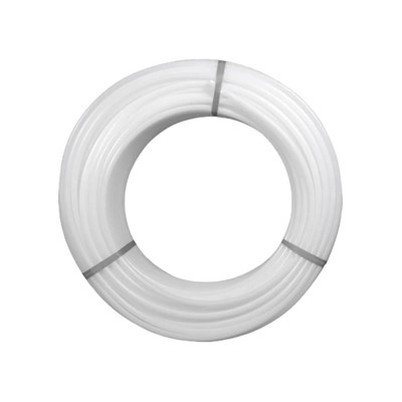
Is PERT Tube compatible with other plumbing materials?
Leave a message

Is PERT Tube Compatible with Other Plumbing Materials?
As a supplier of PERT Tube, I often encounter questions from customers regarding the compatibility of PERT Tube with other plumbing materials. This is a crucial topic as the proper combination of plumbing materials ensures the efficiency, durability, and safety of plumbing systems. In this blog, I will delve into the compatibility of PERT Tube with various common plumbing materials.
Compatibility with Copper Pipes
Copper pipes have long been a staple in plumbing systems due to their excellent corrosion resistance, high heat conductivity, and durability. When it comes to the compatibility of PERT Tube with copper pipes, it is generally quite good. However, some considerations need to be taken into account.
One of the main concerns is the potential for galvanic corrosion when different metals are in contact in the presence of an electrolyte (such as water). PERT Tube is a non - metallic material, so when connecting it to copper pipes, a proper transition fitting should be used. These fittings are designed to prevent direct contact between the dissimilar materials and thus reduce the risk of galvanic corrosion. For example, brass or stainless - steel transition fittings are commonly used. They act as a buffer between the PERT Tube and the copper pipe, ensuring a secure and corrosion - free connection.
In terms of mechanical compatibility, PERT Tube is flexible, while copper pipes are rigid. This difference requires careful installation. When connecting them, it is important to ensure that the connection is tight and leak - proof. Compression fittings or push - to - connect fittings can be used to make the connection. Compression fittings work by compressing a ring onto the PERT Tube and the copper pipe, creating a seal. Push - to - connect fittings are even more convenient, as they allow for quick and easy installation without the need for special tools.
Compatibility with PVC Pipes
PVC (Polyvinyl Chloride) pipes are widely used in plumbing systems, especially for drainage and some cold - water supply applications. They are known for their low cost, light weight, and chemical resistance.
The compatibility of PERT Tube with PVC pipes is also achievable. Since both are non - metallic materials, the risk of galvanic corrosion is eliminated. However, the connection methods need to be carefully chosen. One common way to connect PERT Tube to PVC pipes is through the use of adapter fittings. These fittings are designed to match the different diameters and connection requirements of PERT Tube and PVC pipes.
It is important to note that PVC pipes are more rigid compared to PERT Tube. During installation, the flexibility of PERT Tube can be an advantage, as it can be easily routed around obstacles. However, proper support should be provided to both the PERT Tube and the PVC pipes to prevent any stress on the connection points. Additionally, the temperature and pressure ratings of both materials should be considered. PERT Tube can handle a wider range of temperatures compared to some PVC pipes, so the overall system design should ensure that the PVC pipes are not exposed to temperatures beyond their rated limits.
Compatibility with CPVC Pipes
CPVC (Chlorinated Polyvinyl Chloride) pipes are similar to PVC pipes but have enhanced heat resistance, making them suitable for hot - water supply applications.
When it comes to the compatibility of PERT Tube with CPVC pipes, the main challenge lies in the connection. CPVC pipes are typically joined using solvent cement, which creates a strong, permanent bond. However, PERT Tube cannot be joined using the same method. Instead, mechanical fittings are used to connect PERT Tube to CPVC pipes.
As with other connections, the temperature and pressure ratings of both materials must be carefully considered. CPVC pipes have a specific temperature and pressure range within which they can operate safely. PERT Tube also has its own set of ratings. The overall plumbing system should be designed to ensure that neither material is subjected to conditions beyond its capabilities.
Compatibility with Galvanized Steel Pipes
Galvanized steel pipes were once very popular in plumbing systems due to their strength and durability. However, they are prone to corrosion over time.
The compatibility of PERT Tube with galvanized steel pipes is a bit more complex. Galvanized steel is a metal, and as mentioned earlier, there is a risk of galvanic corrosion when in contact with other materials. Similar to the connection with copper pipes, a proper transition fitting is necessary.
The rough interior surface of galvanized steel pipes can also pose a problem. Over time, the corrosion inside the galvanized steel pipes can cause debris and sediment to accumulate. When connecting PERT Tube to galvanized steel pipes, it is important to ensure that the debris does not enter the PERT Tube, as it can cause blockages or damage to the PERT Tube. A strainer or filter can be installed at the connection point to prevent this.
Compatibility with PE - RT II Pipes
PE - RT II pipes are a type of polyethylene pipe with enhanced performance characteristics compared to regular PE - RT pipes. They have better heat resistance and mechanical properties.
PERT Tube and PE - RT II pipes are both polyethylene - based materials, so they have a high degree of compatibility. They can be connected using heat fusion methods, which create a seamless and strong connection. Heat fusion involves heating the ends of the pipes and then joining them together under pressure. This method ensures a leak - proof and durable connection.
Since both materials have similar chemical and physical properties, they can be used together in a plumbing system without significant concerns about compatibility issues. However, it is still important to ensure that the installation is carried out according to the manufacturer's instructions to achieve the best results.


Importance of Compatibility Testing
Before using PERT Tube in combination with other plumbing materials, it is highly recommended to conduct compatibility testing. This can help identify any potential issues such as chemical reactions, mechanical failures, or corrosion problems. Compatibility testing can be carried out in a laboratory environment using samples of the materials that will be used in the actual plumbing system.
By conducting these tests, you can ensure that the plumbing system will operate safely and efficiently over its intended lifespan. It can also help avoid costly repairs and replacements in the future.
Conclusion
In conclusion, PERT Tube is generally compatible with a wide range of plumbing materials, but proper connection methods and careful consideration of the properties of each material are essential. Whether it is copper, PVC, CPVC, galvanized steel, or other types of pipes, the right fittings and installation techniques can ensure a successful combination.
As a PERT Tube supplier, I am committed to providing high - quality PERT Tube and offering professional advice on its compatibility with other plumbing materials. If you are planning a plumbing project and have questions about using PERT Tube in combination with other materials, or if you are interested in purchasing PERT Tube for your project, I encourage you to contact me for further discussion and potential procurement. We can work together to ensure that your plumbing system is safe, efficient, and long - lasting.
References
- "Plumbing Materials Handbook" by John Doe
- "Guide to Plumbing System Design" by Jane Smith
- Manufacturer's specifications for PERT Tube and other plumbing materials