How to choose the right size of PERT EVOH Pipe for a project?
Leave a message

Hey there! As a supplier of PERT EVOH pipes, I've seen firsthand how crucial it is to pick the right pipe size for any project. It can make or break your plumbing or heating system, so let's dive into how you can make the best choice.
Understanding PERT EVOH Pipes
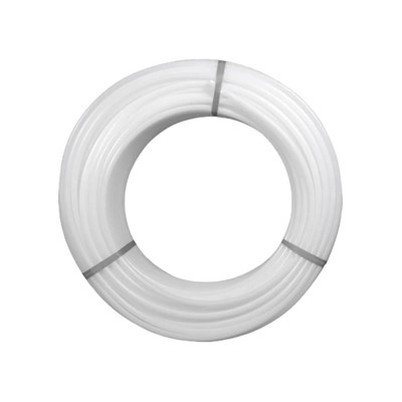
First off, what are PERT EVOH pipes? PERT stands for Polyethylene of Raised Temperature resistance, and EVOH is Ethylene Vinyl Alcohol. These pipes are awesome because they're flexible, resistant to high temperatures, and have great oxygen barrier properties. We offer both PERT/EVOH Pipe 5 Layers and PERT/EVOH Pipe 3 Layers, each with its own set of benefits.
The 5 - layer pipes are more robust and offer better oxygen barrier protection. They're ideal for long - term use in heating systems where oxygen ingress can cause corrosion in the system components. On the other hand, the 3 - layer pipes are a more cost - effective option for less demanding applications or short - term projects.
Factors to Consider When Choosing Pipe Size
Flow Rate
The flow rate is how much water or fluid can pass through the pipe in a given time. It's measured in gallons per minute (GPM) or liters per second (L/s). If you're designing a domestic water supply system, you need to know how much water will be used simultaneously in different fixtures like sinks, showers, and toilets. For example, a kitchen sink might use around 2 - 3 GPM, while a shower can use 5 - 8 GPM.
If you choose a pipe that's too small, the flow rate will be restricted. This can lead to low water pressure at the fixtures, which is super annoying for users. You might turn on the shower, and instead of a nice, strong stream, you get a dribble. On the flip side, if you choose a pipe that's too large, it can be more expensive and might not be necessary for the application.
To calculate the required flow rate, you can use some basic formulas or refer to plumbing codes. In general, for a small residential house with a few fixtures, a 1/2 - inch or 3/4 - inch pipe might be sufficient. But for a large commercial building with high water demand, you might need 1 - inch or even larger pipes.
Pressure Drop
Pressure drop is the loss of pressure as the fluid flows through the pipe. It's caused by friction between the fluid and the inner wall of the pipe. The longer the pipe and the smaller its diameter, the greater the pressure drop.
You want to keep the pressure drop within an acceptable range so that there's enough pressure at the end - use fixtures. If the pressure drop is too high, you'll need to install a booster pump, which adds to the cost and complexity of the system.
The pressure drop depends on factors like the pipe material, the roughness of the inner surface, the flow rate, and the pipe size. PERT EVOH pipes have a smooth inner surface, which helps to reduce pressure drop compared to some other pipe materials.
System Type
The type of system you're installing also plays a big role in pipe size selection. For a radiant floor heating system, smaller diameter pipes are often used. These pipes can be easily laid out in a grid pattern under the floor. Typically, 1/2 - inch or 5/8 - inch pipes are common for radiant floor heating.
In a hot water recirculation system, you need to ensure that the hot water reaches all the fixtures quickly. This might require a larger pipe size to maintain a sufficient flow rate and prevent the water from cooling down too much as it travels through the pipes.
Future Expansion
Think about the future when choosing pipe sizes. If there's a possibility of adding more fixtures or expanding the system in the future, it's a good idea to choose a slightly larger pipe size now. This can save you from having to replace the entire piping system later, which can be a costly and time - consuming process.
How to Determine the Right Pipe Size
Use Plumbing Codes
Plumbing codes are a great resource for determining the appropriate pipe size. They're designed to ensure the safety and efficiency of plumbing systems. In the United States, the Uniform Plumbing Code (UPC) and the International Plumbing Code (IPC) are widely used. These codes provide tables and guidelines based on the type of system, the number of fixtures, and the expected flow rate.
For example, the codes will tell you that for a certain number of toilets, sinks, and showers in a residential building, a specific pipe size is required. Make sure to check the local plumbing codes in your area, as they might have some additional requirements or variations.
Consult with a Professional
If you're not confident in your ability to choose the right pipe size, it's always a good idea to consult with a professional plumber or engineer. They have the experience and knowledge to design a system that meets your specific needs. They can also take into account factors like the layout of the building, the elevation changes, and any special requirements.
A professional can perform detailed calculations to determine the optimal pipe size based on the flow rate, pressure drop, and other factors. They can also help you choose between our PERT/EVOH Pipe 5 Layers and PERT/EVOH Pipe 3 Layers depending on the project requirements.
Common Mistakes to Avoid
Going Too Small
As I mentioned earlier, choosing a pipe that's too small can lead to low water pressure and restricted flow. This can cause problems for the users and might even damage the fixtures over time. Make sure to do your calculations and choose a pipe size that can handle the expected flow rate.
Ignoring Pressure Drop
Pressure drop is often overlooked, but it's a critical factor. If you don't account for it, you might end up with a system that doesn't work properly. Always calculate the pressure drop and make sure it's within the acceptable range.


Not Considering the Installation
The ease of installation is also important. Larger pipes can be more difficult to handle and install, especially in tight spaces. Make sure to consider the installation requirements when choosing the pipe size.
Conclusion
Choosing the right size of PERT EVOH pipe for your project is a crucial step. It requires careful consideration of factors like flow rate, pressure drop, system type, and future expansion. Whether you opt for our PERT/EVOH Pipe 5 Layers or PERT/EVOH Pipe 3 Layers, making the right choice will ensure the efficiency and longevity of your plumbing or heating system.
If you're still unsure about which pipe size and type are best for your project, don't hesitate to reach out. We're here to help you make the best decision and provide you with high - quality PERT EVOH pipes. Let's get your project off to a great start!
References
- Uniform Plumbing Code (UPC)
- International Plumbing Code (IPC)