How to protect PE - Xa/EVOH Pipe during transportation?
Leave a message

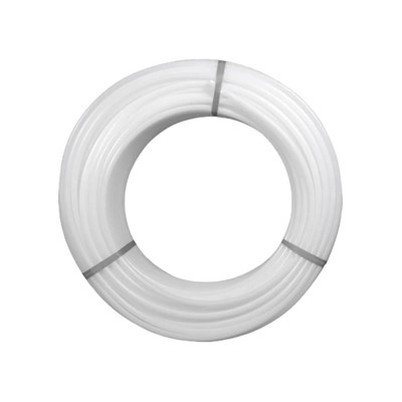
As a supplier of PE - Xa/EVOH Pipe, I understand the importance of protecting these pipes during transportation. PE - Xa/EVOH Pipe, which you can learn more about here, is a high - quality product used in various applications such as radiant floor heating systems, domestic water supply, and industrial fluid transfer. However, these pipes are vulnerable to damage during the transportation process, which can lead to significant losses and customer dissatisfaction. In this blog, I will share some effective ways to protect PE - Xa/EVOH Pipe during transportation.
Pre - transportation Preparation
Inspection
Before loading the pipes onto the transport vehicle, a thorough inspection is essential. Check each pipe for any visible damage, such as scratches, cracks, or deformities. Even minor damage can compromise the integrity of the pipe during transportation and subsequent use. Remove any pipes with significant damage from the shipment to prevent further issues. This inspection should be carried out in a well - lit area with proper tools, if necessary, to ensure a comprehensive assessment.
Packaging
Proper packaging is the first line of defense for PE - Xa/EVOH Pipe during transportation. The pipes should be wrapped in a protective material, such as bubble wrap or foam sheets. This helps to cushion the pipes from impacts and vibrations during transit. Additionally, the pipes can be bundled together using straps or bands to keep them organized and prevent them from shifting. For longer pipes, it is advisable to use end caps to protect the pipe ends from damage.
For large - scale shipments, the pipes can be packed in crates or pallets. The crates should be made of sturdy materials, such as wood or plastic, and should be designed to fit the pipes securely. Pallets, on the other hand, provide a stable base for the pipes and make them easier to handle with forklifts or other material - handling equipment.
Labeling
Clear and accurate labeling is crucial for the transportation of PE - Xa/EVOH Pipe. Each package should be labeled with information such as the pipe size, length, quantity, and handling instructions. The handling instructions should include details on how to lift, stack, and store the pipes safely. For example, the labels can indicate that the pipes should be stored in a horizontal position to prevent bending.
Transportation Mode Selection
Road Transportation
Road transportation is a common choice for delivering PE - Xa/EVOH Pipe. When using trucks, it is important to choose a vehicle with a smooth - riding suspension system. This helps to reduce the impact of bumps and vibrations on the pipes. The truck bed should be lined with a soft material, such as rubber or carpet, to prevent the pipes from scratching against the metal surface.
The pipes should be loaded onto the truck in an orderly manner. For long pipes, they can be loaded lengthwise along the truck bed to minimize bending. The pipes should be secured using ropes, chains, or straps to prevent them from moving during transit. It is also advisable to cover the pipes with a tarp to protect them from weather elements such as rain, snow, and sunlight.
Rail Transportation
Rail transportation can be a cost - effective option for long - distance shipments of PE - Xa/EVOH Pipe. However, special attention should be paid to the loading and unloading process. The pipes should be loaded onto railcars using proper lifting equipment to avoid damage. Similar to road transportation, the pipes should be secured on the railcar to prevent movement.
Railcars can be subject to more significant vibrations than trucks. Therefore, additional cushioning materials may be required to protect the pipes. It is also important to ensure that the railcars are clean and free of any sharp objects that could damage the pipes.
Sea Transportation
For international shipments, sea transportation is often used. When shipping PE - Xa/EVOH Pipe by sea, the pipes should be packed in shipping containers. The containers should be sealed properly to prevent water ingress. Inside the container, the pipes should be arranged in a way that maximizes space utilization while minimizing the risk of damage.
The containers should be loaded onto the ship carefully, taking into account the ship's stability and the distribution of weight. During the voyage, the containers may be exposed to rough seas and strong winds. Therefore, it is important to secure the containers on the ship to prevent them from shifting or falling.
In - transit Monitoring
Temperature and Humidity
PE - Xa/EVOH Pipe can be affected by extreme temperatures and high humidity. During transportation, it is important to monitor the temperature and humidity inside the transport vehicle or container. If necessary, temperature - controlled vehicles or containers can be used to maintain a stable environment for the pipes.
For example, in hot climates, the pipes may expand, which can lead to stress and potential damage. In cold climates, the pipes may become brittle and more prone to cracking. By monitoring and controlling the temperature, these issues can be avoided.
Vibration and Impact
Vibration and impact can cause damage to PE - Xa/EVOH Pipe during transportation. There are various monitoring devices available that can measure the level of vibration and impact. These devices can be attached to the pipes or the packaging. If the vibration or impact levels exceed a certain threshold, it may indicate that there is a problem with the transportation process, such as rough driving or improper loading.
Unloading and Storage
Unloading
When unloading the PE - Xa/EVOH Pipe, it is important to use proper equipment and techniques. Forklifts or cranes should be used to lift the pipes carefully. The pipes should be lowered gently onto the ground or the storage area to avoid impact damage.
During the unloading process, the pipes should be inspected again for any signs of damage. If any damage is found, it should be documented immediately and reported to the relevant parties.
Storage
After unloading, the pipes should be stored in a suitable location. The storage area should be clean, dry, and well - ventilated. The pipes should be stored in a horizontal position to prevent bending. They should also be protected from direct sunlight, as prolonged exposure to sunlight can cause the pipes to degrade.
If the pipes are to be stored for an extended period, it is advisable to cover them with a protective sheet. Additionally, the pipes should be stored away from any sources of heat or chemicals that could damage them.


Conclusion
Protecting PE - Xa/EVOH Pipe during transportation is a multi - step process that requires careful planning and attention to detail. By following the steps outlined in this blog, you can minimize the risk of damage to the pipes and ensure that they reach your customers in perfect condition.
If you are interested in purchasing high - quality PE - Xa/EVOH Pipe, we are here to provide you with the best products and services. Contact us for more information and to start a procurement negotiation. We look forward to working with you.
References
- ASTM standards for plastic pipes
- Industry guidelines for the transportation of plastic pipes