How to install Pex tubing in a basement?
Leave a message

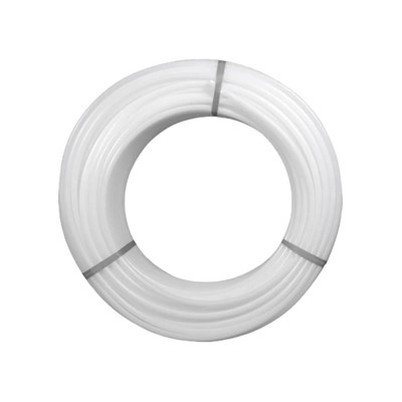
Installing Pex tubing in a basement can be a rewarding DIY project that enhances the functionality and comfort of your home. As a Pex tubing supplier, I've witnessed firsthand the transformative power of this flexible and durable piping material. In this blog post, I'll guide you through the process of installing Pex tubing in your basement, from planning and preparation to the actual installation steps.


Planning and Preparation
Before you start installing Pex tubing in your basement, it's essential to have a clear plan in place. Here are some key steps to consider during the planning phase:
- Determine Your Needs: Decide what you'll be using the Pex tubing for, such as heating, plumbing, or a combination of both. This will help you determine the appropriate size, type, and quantity of tubing you'll need.
- Measure Your Space: Take accurate measurements of your basement to determine the length of tubing required. Consider any obstacles, such as walls, columns, or existing plumbing fixtures, that may affect the installation.
- Choose the Right Tubing: There are several types of Pex tubing available, each with its own unique properties and applications. PE-Xa Pipe ISO15875 is a popular choice for basement installations due to its high resistance to temperature and pressure. Make sure to choose a tubing that meets your specific needs and local building codes.
- Gather Your Tools and Materials: In addition to the Pex tubing, you'll need a few tools and materials to complete the installation. These may include a Pex crimping tool, crimp rings, fittings, a tubing cutter, and a drill. Make sure to have all the necessary tools and materials on hand before you start the installation.
- Obtain Necessary Permits: Depending on your local building codes, you may need to obtain a permit before installing Pex tubing in your basement. Check with your local building department to determine if a permit is required and to obtain the necessary paperwork.
Installation Steps
Once you've completed the planning and preparation phase, it's time to start installing the Pex tubing in your basement. Here are the general steps to follow:
- Mark the Layout: Use a chalk line or a straightedge to mark the layout of the Pex tubing on the basement floor or walls. Make sure to leave enough space for the tubing to bend and turn without kinking.
- Drill Holes: Use a drill to create holes in the basement floor or walls where the Pex tubing will pass through. Make sure the holes are large enough to accommodate the tubing and any fittings.
- Install the Tubing: Start by cutting the Pex tubing to the appropriate length using a tubing cutter. Make sure to measure twice and cut once to ensure accurate lengths. Then, insert the tubing into the holes and connect it to the fittings using a Pex crimping tool and crimp rings. Make sure to follow the manufacturer's instructions for using the crimping tool and crimp rings.
- Connect the Fittings: Once the tubing is installed, connect the fittings to the ends of the tubing using a Pex crimping tool and crimp rings. Make sure to use the appropriate fittings for your specific application, such as Ppsu Elbow 90° for making 90-degree turns.
- Test the System: Before you cover the Pex tubing with insulation or drywall, it's important to test the system to make sure there are no leaks. Turn on the water supply and check for any signs of leakage at the fittings and connections. If you find any leaks, tighten the fittings or replace the crimp rings as needed.
- Insulate the Tubing: Once the system has been tested and is leak-free, it's a good idea to insulate the Pex tubing to prevent heat loss and reduce the risk of freezing. You can use foam insulation sleeves or fiberglass insulation to insulate the tubing.
- Finish the Installation: After the tubing is insulated, you can finish the installation by covering it with drywall or other finishing materials. Make sure to leave access panels in case you need to make any repairs or modifications to the system in the future.
Tips and Tricks
Here are some tips and tricks to help you install Pex tubing in your basement more efficiently and effectively:
- Use a Tubing Bender: A tubing bender can help you create smooth, even bends in the Pex tubing without kinking. This can make the installation process easier and more professional-looking.
- Label the Tubing: To make it easier to identify the different lines of Pex tubing, label them with a permanent marker or a label maker. This can be especially helpful if you have multiple lines or if you need to make any repairs or modifications to the system in the future.
- Use a Pressure Test Kit: A pressure test kit can help you test the Pex tubing system for leaks and ensure that it's functioning properly. Make sure to follow the manufacturer's instructions for using the pressure test kit.
- Work in Sections: If you're installing a large amount of Pex tubing in your basement, it's a good idea to work in sections. This can make the installation process more manageable and help you avoid making mistakes.
- Get Help: Installing Pex tubing in a basement can be a challenging and time-consuming project. If you're not comfortable working with plumbing or if you have any questions or concerns, it's a good idea to get help from a professional plumber.
Conclusion
Installing Pex tubing in a basement can be a great way to enhance the functionality and comfort of your home. By following the steps outlined in this blog post and using the tips and tricks provided, you can install Pex tubing in your basement safely and effectively. If you have any questions or need further assistance, please don't hesitate to contact us. We're a leading Pex tubing supplier and we're here to help you with all your plumbing needs. Whether you're looking for PEX Pipe for Floor Heating or any other type of Pex tubing, we have the products and expertise to meet your requirements. Contact us today to discuss your project and start the procurement process.
References
- "PEX Tubing Installation Guide." Home Depot.
- "How to Install PEX Tubing." This Old House.
- "PEX Plumbing System Basics." Family Handyman.