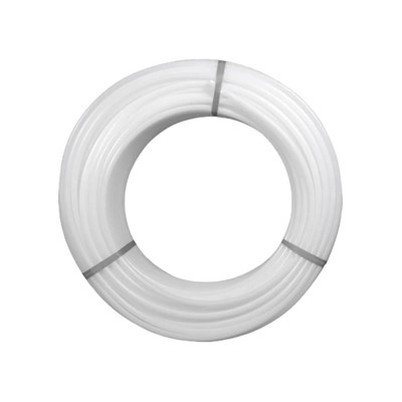
How to connect a 50mm PEX pipe to a valve?
Leave a message

Connecting a 50mm PEX pipe to a valve is a crucial process in many plumbing and heating systems. As a reliable supplier of 50mm PEX pipes, I've encountered numerous customers seeking guidance on this connection. In this blog, I'll share detailed steps and essential tips to ensure a successful and secure connection.
Understanding PEX Pipes
Before delving into the connection process, it's important to understand the characteristics of 50mm PEX pipes. PEX, or cross - linked polyethylene, is a flexible and durable material widely used in plumbing and radiant floor heating systems. Our 50mm PEX pipes offer excellent resistance to corrosion, scale, and chemical damage, making them a long - lasting solution for various applications.
There are different types of PEX pipes available in the market, such as PEX Pipe for Floor Heating, PE - Xa Pipe ISO15875, and PEX Anti UV Pipe. Each type has its own unique features and is suitable for specific environments and applications. For example, PEX pipes for floor heating are designed to efficiently transfer heat, while PEX Anti UV pipes are ideal for outdoor use.
Tools and Materials Required
To connect a 50mm PEX pipe to a valve, you'll need the following tools and materials:
- PEX Pipe Cutter: A sharp and reliable cutter is essential for making clean and accurate cuts on the PEX pipe.
- PEX Crimping Tool: This tool is used to secure the PEX fittings to the pipe. Make sure to choose a tool that is compatible with 50mm PEX pipes.
- PEX Fittings: Select the appropriate fittings for your valve and PEX pipe, such as crimp rings and union fittings.
- Valve: Choose a valve that is suitable for your system's pressure and flow requirements.
- Measuring Tape: To ensure accurate pipe cutting and fitting installation.
- Deburring Tool: To remove any rough edges from the cut pipe.
Step - by - Step Connection Process
Step 1: Measure and Cut the PEX Pipe
Use a measuring tape to determine the required length of the PEX pipe. Mark the cutting point clearly on the pipe. Then, use a PEX pipe cutter to make a clean, straight cut at the marked point. After cutting, use a deburring tool to remove any burrs or rough edges from the cut end of the pipe. This will ensure a proper seal when connecting the pipe to the fitting.
Step 2: Prepare the Fittings
Before installing the fittings, ensure that they are clean and free from any debris. Slide a crimp ring onto the PEX pipe, with the open end facing away from the cut end of the pipe. Then, insert the appropriate fitting into the pipe until it reaches the stop. Make sure the fitting is fully seated and centered in the pipe.
Step 3: Crimp the Fittings
Position the crimping tool around the crimp ring. Squeeze the handles of the tool firmly until the crimp ring is compressed and forms a tight seal around the pipe and fitting. Check the crimp to ensure that it is uniform and that the ring has been compressed to the correct size. If the crimp is not satisfactory, you may need to cut off the end of the pipe and start the process again.
Step 4: Connect the Valve
Once the fittings are crimped onto the PEX pipe, it's time to connect the valve. Depending on the type of valve, you may need to use union fittings or other connection methods. Follow the manufacturer's instructions carefully when connecting the valve to the PEX pipe. Make sure all connections are tightened securely to prevent leaks.


Step 5: Test the Connection
After connecting the PEX pipe to the valve, it's important to test the connection for leaks. Turn on the water supply gradually and check all the connections for any signs of leakage. If you notice any leaks, turn off the water supply immediately and re - check the connections. Tighten any loose fittings or repeat the crimping process if necessary.
Tips for a Successful Connection
- Choose the Right Fittings: Using the correct fittings is crucial for a secure and leak - free connection. Make sure the fittings are compatible with both the 50mm PEX pipe and the valve.
- Keep the Pipes Clean: Any dirt or debris on the pipe or fitting can prevent a proper seal. Clean the pipes and fittings thoroughly before installation.
- Follow the Manufacturer's Instructions: Different PEX pipes, fittings, and valves may have specific installation requirements. Always read and follow the manufacturer's instructions carefully.
- Inspect the Crimps: After crimping, inspect the crimp rings closely to ensure they are properly compressed. A poorly crimped fitting can lead to leaks.
- Use Quality Tools: Invest in high - quality PEX pipe cutters, crimping tools, and other installation tools. Cheap or worn - out tools can result in inaccurate cuts and poor connections.
Conclusion
Connecting a 50mm PEX pipe to a valve is a process that requires careful planning, the right tools, and proper installation techniques. By following the steps and tips outlined in this blog, you can ensure a successful and long - lasting connection.
If you're in need of high - quality 50mm PEX pipes for your project, we're here to help. Our extensive range of PEX pipes, including PEX Pipe for Floor Heating, PE - Xa Pipe ISO15875, and PEX Anti UV Pipe, is designed to meet the diverse needs of our customers. We're committed to providing top - notch products and excellent customer service. If you have any questions or are interested in purchasing our PEX pipes, please feel free to contact us for a detailed discussion and procurement negotiation.
References
- Plumbing and Piping Handbook by John W. Schotting
- PEX Pipe Installation Guide by industry experts.