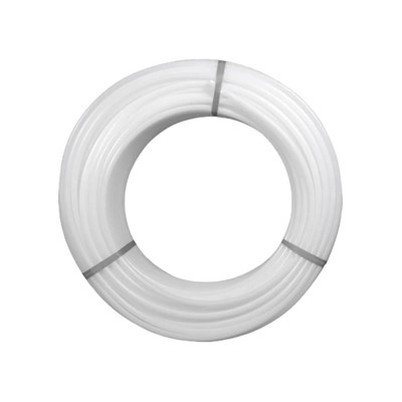
Can a 3 inch pex pipe be used in a chemical processing plant?
Leave a message

Can a 3 inch PEX pipe be used in a chemical processing plant?
As a supplier of 3 inch PEX pipes, I am often asked about the suitability of our products in various industrial settings, especially in chemical processing plants. This blog post aims to delve into the technical aspects and considerations surrounding the use of 3 inch PEX pipes in such demanding environments.
Understanding PEX Pipes
PEX, or cross - linked polyethylene, is a type of plastic pipe that has gained popularity in a wide range of applications due to its flexibility, durability, and resistance to corrosion. The cross - linking process enhances the physical properties of polyethylene, making it more suitable for high - pressure and high - temperature applications compared to regular polyethylene pipes.
There are different types of PEX pipes, such as PE - Xa, PE - Xb, and PE - Xc, each with its own unique manufacturing process and characteristics. PE - Xa Pipe ISO15875 is one of the most well - known types, which is produced through a peroxide - based cross - linking method. It offers excellent chemical resistance, high temperature resistance, and long - term durability.
Chemical Resistance of PEX Pipes
One of the primary concerns when considering using PEX pipes in a chemical processing plant is their chemical resistance. PEX pipes generally have good resistance to many common chemicals, including acids, alkalis, and some organic solvents. However, their performance can vary depending on the specific chemical composition, concentration, temperature, and exposure time.
For mild chemicals at low concentrations and ambient temperatures, 3 inch PEX pipes can provide reliable service. For example, they can be used to transport water - based solutions, dilute acids, and weak alkalis. But in the presence of strong oxidizing agents, certain hydrocarbons, or concentrated acids and alkalis, the performance of PEX pipes may be compromised.
Some studies have shown that PEX pipes can be damaged by exposure to chlorinated solvents, which can cause swelling, embrittlement, or even chemical degradation of the pipe material. Therefore, it is crucial to conduct a thorough chemical compatibility analysis before using 3 inch PEX pipes in a chemical processing plant. This analysis should consider the full range of chemicals that the pipes will come into contact with, as well as the operating conditions such as temperature and pressure.
Temperature and Pressure Considerations
In addition to chemical resistance, temperature and pressure are two other important factors to consider when using 3 inch PEX pipes in a chemical processing plant. PEX pipes have a limited temperature and pressure rating. The maximum operating temperature for most PEX pipes is around 90 - 95°C, although some specialized PEX pipes can withstand higher temperatures for short periods.
If the chemical processing plant involves high - temperature processes, such as steam heating or hot chemical reactions, the use of 3 inch PEX pipes may need to be carefully evaluated. Exceeding the temperature rating of the PEX pipes can lead to softening, deformation, or even rupture of the pipes, which can pose a serious safety hazard.
Similarly, pressure is also a critical factor. PEX pipes are designed to operate within a certain pressure range. In a chemical processing plant, where there may be high - pressure pumps or fluid flow systems, it is essential to ensure that the 3 inch PEX pipes can handle the expected pressure. Over - pressurization can cause the pipes to burst, resulting in leaks and potential damage to the plant equipment.
Installation and Maintenance
Proper installation and maintenance are also key to the successful use of 3 inch PEX pipes in a chemical processing plant. During installation, it is important to follow the manufacturer's guidelines to ensure that the pipes are properly supported, connected, and protected. Incorrect installation can lead to stress points, leaks, or other issues that can affect the performance of the pipes.
For example, when connecting PEX pipes, using the correct fittings is crucial. Ppsu Elbow 90° is a type of fitting that can be used in PEX pipe systems. It provides a smooth and reliable connection, which helps to maintain the integrity of the pipeline.


Regular maintenance is also necessary to ensure the long - term performance of the 3 inch PEX pipes. This includes inspecting the pipes for signs of damage, corrosion, or wear, and replacing any damaged components in a timely manner.
Advantages of Using 3 inch PEX Pipes in Chemical Processing Plants
Despite the challenges and considerations mentioned above, there are several advantages to using 3 inch PEX pipes in a chemical processing plant. Firstly, their flexibility makes them easy to install, especially in complex piping systems. They can be bent and routed around obstacles without the need for numerous fittings, which can reduce installation time and costs.
Secondly, PEX pipes are lightweight compared to traditional metal pipes, which can make them easier to handle and transport. This can be particularly beneficial in large - scale chemical processing plants where there is a need to install a large number of pipes.
Thirdly, the corrosion resistance of PEX pipes can extend their service life, reducing the need for frequent pipe replacements. This can result in significant cost savings over the long term.
Applications in Chemical Processing Plants
In some chemical processing plants, 3 inch PEX pipes can be used in a variety of applications. For example, they can be used in water treatment systems within the plant to transport treated water, or in cooling systems to circulate cooling water. PEX Pipe for Floor Heating can also be adapted for use in certain low - temperature chemical processes where floor heating is required for temperature control.
Conclusion
In conclusion, the use of 3 inch PEX pipes in a chemical processing plant is possible, but it requires careful consideration of chemical resistance, temperature, pressure, installation, and maintenance. While PEX pipes offer many advantages such as flexibility, corrosion resistance, and ease of installation, they also have limitations, especially in the presence of certain chemicals and under extreme operating conditions.
Before making a decision, it is recommended to consult with a professional engineer or a chemical compatibility expert to conduct a detailed risk assessment. If you are interested in exploring the use of our 3 inch PEX pipes in your chemical processing plant, please feel free to contact us for further information and to discuss your specific requirements. We are committed to providing high - quality products and technical support to meet your needs.
References
- "Handbook of Plastics, Elastomers, and Composites" by Charles A. Harper
- "Chemical Resistance of Plastics and Elastomers" by Christopher J. Baker