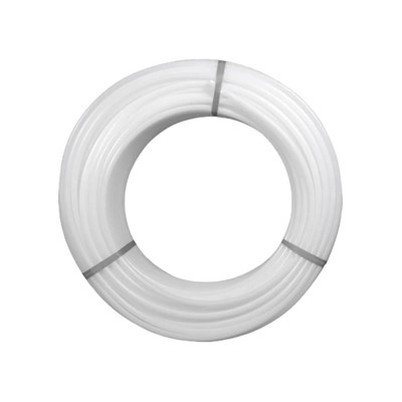
Can a 3/4 pex pipe be used for hot water?
Leave a message

When it comes to plumbing systems, the choice of pipes is crucial, especially when dealing with hot water. One common question that often arises is whether a 3/4 PEX pipe can be used for hot water. As a supplier of 3/4 PEX pipes, I am well - versed in the properties and applications of these pipes, and I'm here to provide you with a comprehensive answer.
Understanding PEX Pipes
PEX, or cross - linked polyethylene, is a type of plastic tubing that has gained popularity in the plumbing industry over the past few decades. It is known for its flexibility, durability, and resistance to corrosion. There are three main types of PEX pipes: PE - Xa, PE - Xb, and PE - Xc, each with its own manufacturing process and characteristics.
PE - Xa is produced using the peroxide method, which results in a highly cross - linked structure. This type of PEX pipe offers excellent heat resistance and flexibility. You can learn more about PE - Xa Pipe ISO15875 on our website. PE - Xb is made through the silane method, and it is also a popular choice for plumbing applications. PE - Xc is produced using the electron beam method, providing a good balance of properties. For plumbing pipe use, our PE - Xa Pipe for Plumbing Pipe is a great option.

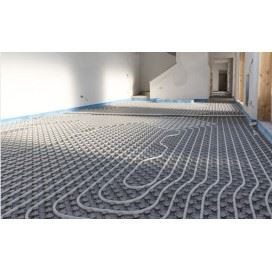
Suitability of 3/4 PEX Pipe for Hot Water
The 3/4 PEX pipe is indeed suitable for hot water applications, and here are the reasons:
Temperature Resistance
PEX pipes can withstand high temperatures. Most PEX pipes are rated to handle water temperatures up to 200°F (93°C) continuously and can even tolerate short - term spikes up to 220°F (104°C). This makes them more than capable of handling the hot water temperatures typically found in residential and commercial plumbing systems, which usually range from 120°F to 140°F (49°C to 60°C).
Material Stability
The cross - linked structure of PEX pipes gives them excellent material stability. When exposed to hot water, PEX pipes do not expand or contract significantly, which helps prevent leaks and pipe failures. This stability also means that the pipes maintain their structural integrity over time, even under repeated thermal cycling.
Corrosion Resistance
Hot water can accelerate the corrosion process in metal pipes. In contrast, PEX pipes are completely resistant to corrosion. This is a significant advantage when dealing with hot water, as it ensures a longer lifespan for the plumbing system and reduces the risk of rust and sediment buildup, which can affect water quality.
Flexibility
The flexibility of 3/4 PEX pipes makes them easy to install, even in tight spaces. This is particularly useful when installing hot water lines, as they can be bent around obstacles without the need for additional fittings. The reduced number of fittings also means fewer potential leak points, which is crucial for a reliable hot water system.
Installation Considerations for Hot Water
While 3/4 PEX pipes are suitable for hot water, proper installation is essential to ensure optimal performance. Here are some key installation considerations:
Use of Appropriate Fittings
When installing PEX pipes for hot water, it is important to use fittings that are specifically designed for high - temperature applications. For example, our PPSU Tee is a great option for connecting PEX pipes in hot water systems. These fittings are made from materials that can withstand the heat and pressure of hot water, ensuring a secure and leak - free connection.
Insulation
Insulating PEX pipes carrying hot water can help reduce heat loss and improve energy efficiency. Insulation also helps prevent condensation on the pipes, which can lead to mold growth and water damage. There are various types of insulation materials available, such as foam sleeves, that can be easily installed on PEX pipes.
Support
Proper support is necessary to prevent sagging and stress on the pipes. When installing hot water PEX pipes, make sure to use appropriate hangers and supports at regular intervals. This helps maintain the integrity of the pipes and reduces the risk of damage due to movement or vibration.
Advantages of Using 3/4 PEX Pipe for Hot Water
In addition to the suitability factors mentioned above, there are several other advantages of using 3/4 PEX pipes for hot water systems:
Cost - Effectiveness
PEX pipes are generally more cost - effective than traditional metal pipes, such as copper or steel. They are less expensive to purchase and easier to install, which can result in significant savings on both materials and labor costs.
Water Flow
The smooth interior surface of PEX pipes allows for better water flow compared to metal pipes. This means that hot water can be delivered more efficiently to fixtures, reducing waiting times for hot water and improving overall water pressure.
Noise Reduction
PEX pipes are quieter than metal pipes when water is flowing through them. This is especially beneficial for hot water systems, as it can reduce the noise associated with water hammer and other plumbing noises, providing a more peaceful living or working environment.
Conclusion
In conclusion, a 3/4 PEX pipe is an excellent choice for hot water applications. Its temperature resistance, material stability, corrosion resistance, and flexibility make it a reliable and efficient option for both residential and commercial plumbing systems. With proper installation and the use of appropriate fittings, 3/4 PEX pipes can provide a long - lasting and trouble - free hot water solution.
If you are considering using 3/4 PEX pipes for your hot water system, we are here to help. Our team of experts can provide you with detailed information, product recommendations, and support throughout the installation process. Contact us today to start the procurement and negotiation process, and let us help you build a high - quality hot water plumbing system.
References
- "The Handbook of PEX Pipe" by the Plastic Pipe and Fittings Association
- "Plumbing Engineering: Design and Installation" by various authors in the plumbing engineering field