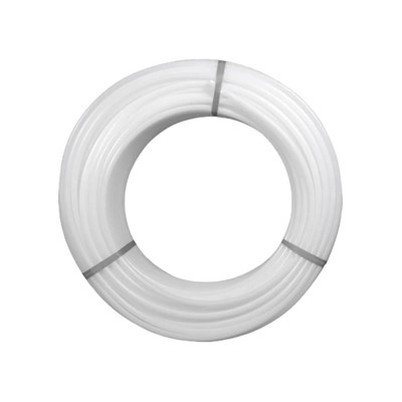
Can 3/4 pex piping be used in a saltwater plumbing system?
Leave a message

Can 3/4 PEX Piping Be Used in a Saltwater Plumbing System?
As a supplier of 3/4 PEX piping, I often get asked whether our product can be used in saltwater plumbing systems. This is a crucial question, as the properties of saltwater can be quite harsh on many materials, and choosing the right piping is essential for the long - term performance and durability of the plumbing system.
Understanding PEX Piping
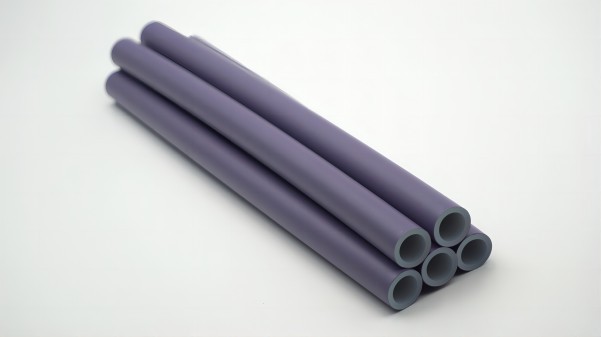
PEX, or cross - linked polyethylene, is a type of plastic piping that has gained significant popularity in recent years for various plumbing applications. It is known for its flexibility, ease of installation, and resistance to corrosion. There are different types of PEX piping, such as PE - Xa, PE - Xb, and PE - Xc, each with its own unique manufacturing process and properties. For more information on PE - Xa pipes, you can visit PE - Xa Pipe for Plumbing Pipe.
The 3/4 size of PEX piping is a common choice for many residential and commercial plumbing systems. It provides a good balance between water flow capacity and the ability to fit into standard plumbing layouts.
Saltwater and Its Effects on Piping Materials
Saltwater is a highly corrosive medium. The presence of dissolved salts, mainly sodium chloride, along with other minerals and ions, can cause significant damage to many metals. For example, iron and steel pipes can rust rapidly in saltwater environments, leading to leaks, reduced water flow, and eventual system failure.
In addition to corrosion, saltwater can also cause pitting and erosion in some materials. Pitting is the formation of small holes on the surface of the pipe, which can weaken the structure over time. Erosion occurs when the flowing saltwater wears away the pipe material, especially at high flow rates or in areas with sharp bends.
Advantages of Using 3/4 PEX Piping in Saltwater Systems
One of the main advantages of using 3/4 PEX piping in a saltwater plumbing system is its corrosion resistance. Since PEX is a plastic material, it does not rust or corrode like metal pipes. This means that it can withstand the harsh conditions of saltwater without deteriorating over time.
PEX piping is also very flexible. This flexibility makes it easier to install in complex plumbing layouts, especially in areas where traditional rigid pipes would be difficult to maneuver. It can be bent around corners and obstacles without the need for multiple fittings, reducing the number of potential leak points.
Another benefit is the smooth interior surface of PEX piping. This smooth surface reduces friction, allowing for better water flow. In a saltwater system, where sediment and debris may be present, the smooth surface helps prevent the buildup of deposits, which can clog the pipes and reduce water flow.
Considerations When Using 3/4 PEX Piping in Saltwater Systems
While 3/4 PEX piping has many advantages for saltwater systems, there are also some considerations to keep in mind. One important factor is the temperature of the saltwater. PEX piping has a temperature limit, and if the saltwater is too hot, it can cause the pipe to soften and lose its structural integrity.
Exposure to sunlight can also be a concern. Ultraviolet (UV) rays from the sun can degrade the PEX material over time. Therefore, if the PEX piping is installed outdoors or in areas exposed to sunlight, it should be protected with UV - resistant insulation or kept in shaded areas.
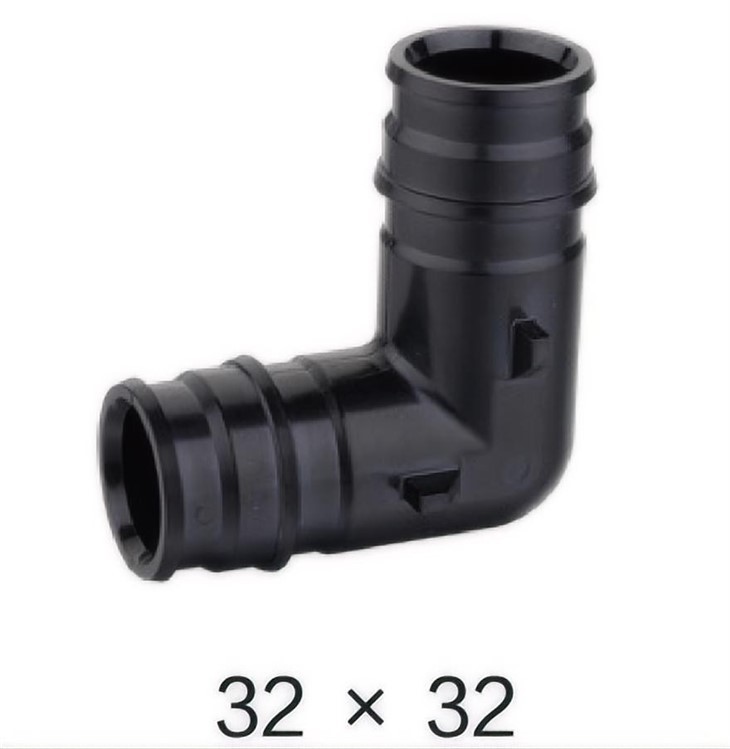
It is also crucial to use the right fittings with 3/4 PEX piping in a saltwater system. Some fittings may not be compatible with saltwater or may have a shorter lifespan in this environment. For example, Ppsu Elbow 90° is a type of fitting that can be considered for use in saltwater systems due to its corrosion - resistant properties.
Installation and Maintenance of 3/4 PEX Piping in Saltwater Systems
Proper installation is key to the success of any plumbing system, especially in a saltwater environment. When installing 3/4 PEX piping, it is important to follow the manufacturer's instructions carefully. This includes using the correct tools for cutting and joining the pipes.
Regular maintenance is also essential. Inspect the pipes and fittings periodically for any signs of damage, such as cracks, leaks, or swelling. Check the water flow and pressure to ensure that the system is operating efficiently. If any issues are detected, they should be addressed promptly to prevent further damage.
Quality Assurance of Our 3/4 PEX Piping
As a supplier of 3/4 PEX piping, we take quality very seriously. Our PEX pipes are manufactured using high - quality raw materials and advanced production processes. They are tested to meet strict industry standards for performance, durability, and safety.
For example, our PE - Xa pipes are certified with the PE - Xa Pipe Watermark, which is a mark of quality and compliance with relevant standards. This certification gives our customers peace of mind knowing that they are getting a reliable product for their saltwater plumbing systems.
Conclusion and Call to Action
In conclusion, 3/4 PEX piping can be a suitable choice for saltwater plumbing systems due to its corrosion resistance, flexibility, and smooth interior surface. However, it is important to consider factors such as temperature, sunlight exposure, and the use of compatible fittings.
If you are planning a saltwater plumbing project and are interested in our 3/4 PEX piping, we encourage you to get in touch with us for more information. Our team of experts can provide you with detailed technical advice, product specifications, and pricing. We are committed to helping you find the best plumbing solutions for your specific needs.
References
- ASTM International. (20XX). Standard specifications for PEX piping.
- National Association of Plumbing - Heating - Cooling Contractors. (20XX). Best practices for plumbing in corrosive environments.
- Manufacturer's technical documentation for PEX piping and fittings.