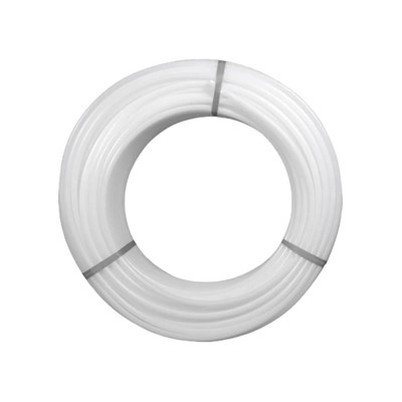
Are there any environmental benefits of using PERT Tube?
Leave a message

In the realm of modern construction and plumbing systems, the pursuit of environmentally - friendly materials has become a top priority. As a PERT Tube supplier, I am frequently asked about the environmental benefits of using PERT Tube. In this blog post, I will delve into the various ways in which PERT Tube contributes to a more sustainable and eco - friendly future.
Energy Efficiency
One of the most significant environmental benefits of PERT Tube lies in its energy - saving capabilities. PERT, or Polyethylene Raised Temperature, is a type of plastic pipe specifically designed for use in heating and cooling systems. It has excellent thermal insulation properties, which means that when used in under - floor heating systems or hot water distribution networks, it can significantly reduce heat loss.
In a traditional metal pipe system, a considerable amount of heat is lost through the pipe walls during the transportation of hot water. This not only wastes energy but also requires the heating system to work harder to maintain the desired temperature. In contrast, PERT Tube has a low thermal conductivity, which helps to keep the hot water inside the pipe at a consistent temperature for a longer period. As a result, less energy is needed to heat the water, leading to lower energy consumption and reduced greenhouse gas emissions.


For example, in a large commercial building with an under - floor heating system, switching from metal pipes to PERT Tubes can result in substantial energy savings. According to a study by the European Plastic Pipes and Fittings Association, using PERT Tubes in heating systems can reduce energy consumption by up to 20% compared to traditional metal pipes. This reduction in energy use not only benefits the environment but also translates into cost savings for the building owner.
Longevity and Durability
PERT Tubes are known for their exceptional longevity and durability. They have a long service life, typically lasting for more than 50 years under normal operating conditions. This is in stark contrast to many traditional plumbing materials, such as copper or galvanized steel pipes, which are prone to corrosion and degradation over time.
The long lifespan of PERT Tubes means that they do not need to be replaced as frequently as other materials. This reduces the demand for raw materials used in the production of new pipes and also minimizes the amount of waste generated from pipe replacements. When a building's plumbing system is constructed using PERT Tubes, it can remain functional for decades without the need for major repairs or replacements, which is a significant advantage from an environmental perspective.
Moreover, PERT Tubes are resistant to a wide range of chemicals and substances commonly found in water supplies. They do not rust, corrode, or scale, which helps to maintain the quality of the water flowing through them. This not only ensures the health and safety of the end - users but also reduces the need for water treatment chemicals, further contributing to environmental protection.
Recyclability
Another important environmental benefit of PERT Tubes is their recyclability. At the end of their service life, PERT Tubes can be recycled and used to produce new plastic products. Recycling PERT Tubes helps to conserve natural resources and reduce the amount of plastic waste that ends up in landfills or the environment.
The recycling process for PERT Tubes involves collecting the used pipes, cleaning them, and then melting them down to create new plastic pellets. These pellets can then be used to manufacture a variety of plastic products, including new PERT Tubes. By recycling PERT Tubes, we can close the loop on the plastic lifecycle and reduce our reliance on virgin plastic materials.
According to industry reports, the recycling rate of PERT Tubes is steadily increasing as more and more companies and consumers become aware of the environmental benefits of recycling. Many local recycling facilities now accept PERT Tubes, making it easier for building owners and contractors to recycle their used pipes.
Reduced Carbon Footprint in Production
The production process of PERT Tubes also has a relatively low carbon footprint compared to other plumbing materials. The manufacturing of PERT Tubes requires less energy and fewer raw materials than the production of metal pipes. Additionally, the production of PERT Tubes generates fewer greenhouse gas emissions.
The raw material for PERT Tubes, polyethylene, is a widely available and relatively inexpensive plastic. It can be produced using a variety of methods, some of which are more energy - efficient than others. Many modern PERT Tube manufacturing facilities use advanced technologies and processes to minimize energy consumption and reduce emissions during production.
Furthermore, the transportation of PERT Tubes is also more environmentally friendly. PERT Tubes are lightweight compared to metal pipes, which means that less fuel is required to transport them from the manufacturing plant to the construction site. This further reduces the carbon footprint associated with the use of PERT Tubes in construction projects.
Conclusion
In conclusion, there are numerous environmental benefits of using PERT Tube. From energy efficiency and longevity to recyclability and reduced carbon footprint in production, PERT Tubes offer a sustainable solution for modern plumbing and heating systems. As a PERT Tube supplier, I am proud to offer a product that not only meets the high - quality standards of our customers but also contributes to a more sustainable future.
If you are interested in learning more about PERT Tubes or are considering using them in your next construction project, I encourage you to get in touch with me. We can discuss your specific requirements and provide you with detailed information about our products and services. Let's work together to build a more sustainable world through the use of environmentally - friendly PERT Tubes.
References
- European Plastic Pipes and Fittings Association. (Year). Energy Efficiency of Plastic Pipes in Building Services.
- Industry reports on PERT Tube recycling rates.