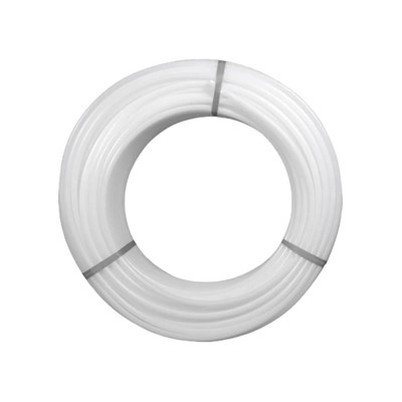
Are pex 32mm pipes affected by soil conditions?
Leave a message

As a supplier of PEX 32mm pipes, I've often been asked whether these pipes are affected by soil conditions. It's a crucial question, especially for those involved in plumbing and construction projects where the longevity and performance of pipes are of utmost importance. In this blog, I'll delve into the impact of various soil conditions on PEX 32mm pipes, drawing on scientific knowledge and industry experience.
Understanding PEX 32mm Pipes
PEX, or cross-linked polyethylene, is a type of plastic pipe that has gained popularity in recent years due to its flexibility, durability, and resistance to corrosion. The 32mm size is commonly used in both residential and commercial plumbing systems for applications such as hot and cold water distribution.
One of the key advantages of PEX pipes is their cross-linked molecular structure, which enhances their mechanical properties. There are different types of PEX pipes, including PE-Xa, PE-Xb, and PE-Xc. Among them, PE-Xa Pipe ISO15875 is known for its high degree of cross-linking, which provides excellent resistance to chemicals and environmental stress cracking.
Impact of Soil Conditions on PEX 32mm Pipes
1. Soil pH
The pH level of the soil can have a significant impact on the performance of PEX 32mm pipes. Generally, PEX pipes are resistant to a wide range of pH values. They can tolerate slightly acidic to slightly alkaline soils without significant degradation. However, extremely acidic or alkaline soils may pose a risk.

In highly acidic soils (pH < 4), there is a potential for the pipe material to react with the acidic components in the soil. This could lead to a slow breakdown of the polymer chains over time, reducing the pipe's strength and durability. On the other hand, in highly alkaline soils (pH > 9), the pipe may be exposed to chemicals that can cause embrittlement or other forms of damage.
To mitigate the effects of extreme soil pH, proper soil testing should be conducted before installation. If the soil pH is outside the acceptable range, protective measures such as using a chemical-resistant coating or installing the pipes in a protective sleeve can be considered.
2. Soil Moisture
Soil moisture content is another important factor. PEX pipes are generally resistant to water absorption, which is beneficial in moist soil conditions. However, excessive moisture can lead to other problems.
In waterlogged soils, there is an increased risk of oxygen diffusion into the pipe. Oxygen can react with the pipe material, especially in the presence of heat, and cause oxidation. Oxidation can lead to the formation of cracks and a reduction in the pipe's mechanical properties. Additionally, waterlogged soils may contain microorganisms that can produce enzymes or acids that could potentially damage the pipes.
To prevent these issues, proper drainage should be ensured around the pipes. This can be achieved by installing drainage systems or backfilling the pipes with well-draining materials.
3. Soil Compaction
Soil compaction can exert mechanical stress on PEX 32mm pipes. When the soil is compacted, it can apply pressure on the pipes, which may cause deformation or even cracking. The degree of damage depends on the degree of compaction and the type of soil.
For example, in clayey soils, which have a high potential for compaction, the pipes may be more vulnerable. To protect the pipes from soil compaction, proper installation techniques should be followed. This includes using a sufficient depth of cover and providing adequate bedding material. The bedding material should be granular and well-graded to distribute the load evenly.
4. Presence of Chemicals in the Soil
Soils may contain various chemicals, such as salts, heavy metals, and petroleum products. PEX pipes are generally resistant to many common chemicals. However, some chemicals can have a negative impact.
For instance, certain solvents or strong oxidizing agents can dissolve or swell the pipe material. If the soil is known to contain such chemicals, it is important to select PEX pipes with appropriate chemical resistance. PE-Xa Pipe for Plumbing Pipe is often a good choice in such situations due to its superior chemical resistance.
Installation Considerations in Different Soil Conditions
1. Protective Coatings
In areas with aggressive soil conditions, applying a protective coating to the PEX 32mm pipes can be an effective solution. There are various types of coatings available, such as epoxy coatings, which can provide a barrier between the pipe and the soil. These coatings can help prevent chemical attack and reduce the risk of oxidation.
2. Pipe Bedding and Backfilling
Proper pipe bedding and backfilling are crucial. The bedding material should be carefully selected to provide a stable foundation for the pipes. It should be free of sharp objects that could damage the pipes. Backfilling should be done in layers and compacted gently to avoid excessive stress on the pipes.
3. Use of Fittings
When installing PEX 32mm pipes, the choice of fittings is also important. Ppsu Elbow 90° is a popular fitting that can be used in plumbing systems. These fittings should be compatible with the pipes and should be installed correctly to ensure a leak-free connection.
Conclusion
In conclusion, while PEX 32mm pipes are generally durable and resistant to many environmental factors, soil conditions can have an impact on their performance. By understanding the specific soil conditions at the installation site and taking appropriate preventive measures, the longevity and reliability of the pipes can be ensured.
If you're considering a plumbing project that involves PEX 32mm pipes, I encourage you to reach out to discuss your specific requirements. We have a wide range of high-quality PEX products and can provide expert advice on installation and maintenance. Whether you're dealing with challenging soil conditions or simply looking for a reliable plumbing solution, we're here to help. Contact us today to start a fruitful discussion about your procurement needs.
References
- "Plastic Pipes in Building Services" by John W. Rose
- "Handbook of Polyethylene" by Andrew Peacock
- Industry standards and guidelines related to PEX pipe installation and use.