What types of valves are compatible with a 2 inch PEX pipe?
Leave a message

Hey there! As a supplier of 2-inch PEX pipes, I often get asked about what types of valves are compatible with these pipes. Well, you've come to the right place. In this blog, I'll break down the different valve options that work well with 2-inch PEX pipes.


Understanding 2-Inch PEX Pipes
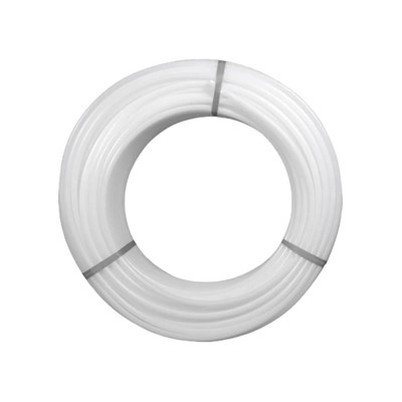
First off, let's talk a bit about 2-inch PEX pipes. These pipes are pretty popular for a bunch of reasons. They're flexible, which makes them easy to install in tight spaces. They're also resistant to corrosion, so they'll last a long time. And they can handle a good amount of pressure, which is important for water supply systems.
We offer PE-Xa Pipe NSF, which is a high - quality option. It meets the NSF standards, so you know it's safe for use in potable water systems. This type of PEX pipe is known for its excellent chemical resistance and long - term durability.
Types of Valves Compatible with 2 - Inch PEX Pipes
Ball Valves
Ball valves are one of the most common types of valves used with PEX pipes. They're simple and reliable. A ball valve has a spherical disc (the ball) with a hole in the middle. When the hole is in line with the pipe, water can flow through. When you turn the handle 90 degrees, the ball rotates, and the hole is perpendicular to the pipe, stopping the flow of water.
These valves are great because they open and close quickly, and they provide a tight seal when closed. They're suitable for both on - off control and flow regulation in some cases. You can find ball valves in different materials like brass and stainless steel. Brass ball valves are cost - effective and work well in most residential and commercial applications. Stainless steel ball valves are more expensive but offer better corrosion resistance, which is ideal for harsh environments.
Gate Valves
Gate valves are another option. They use a flat gate that moves up and down to control the flow of water. When the gate is fully raised, water can flow freely through the pipe. When it's lowered, it blocks the flow.
Gate valves are typically used for full - flow or no - flow applications. They're not really meant for throttling or regulating flow because partially opening the gate can cause the valve to wear out quickly and may lead to vibration and noise. They're a good choice when you need a valve that can completely shut off the water supply, like in a main water line.
Check Valves
Check valves are designed to allow water to flow in one direction only. They prevent backflow, which is important for maintaining the proper operation of a plumbing system. For example, in a hot water heater system, a check valve can prevent hot water from flowing back into the cold water supply line.
There are different types of check valves, such as swing check valves and spring - loaded check valves. Swing check valves have a disc that swings open when water flows in the correct direction and closes when the flow reverses. Spring - loaded check valves use a spring to assist in closing the valve, which can provide a quicker and more reliable shut - off.
Globe Valves
Globe valves are used for precise flow control. They have a movable disc that can be adjusted to vary the amount of water flowing through the valve. The disc moves perpendicular to the flow of water, and by turning the valve stem, you can open or close the valve to different degrees.
These valves are commonly used in applications where you need to regulate the flow rate, like in a heating system or a process where the flow needs to be carefully controlled. However, they have a higher pressure drop compared to ball valves and gate valves, which means they can reduce the water pressure in the system.
Fittings for Connecting Valves to 2 - Inch PEX Pipes
To connect valves to 2 - inch PEX pipes, you'll need the right fittings. One popular option is the PPSU Tee. PPSU (Polyphenylsulfone) is a strong and durable plastic material. A PPSU tee fitting allows you to connect a valve at a branch point in the pipe system.
Another useful fitting is the Ppsu Elbow 90°. This fitting is great for changing the direction of the pipe, which can be necessary when installing a valve in a specific location. These fittings are designed to be easy to install and provide a secure connection between the valve and the PEX pipe.
Considerations When Choosing a Valve
When choosing a valve for your 2 - inch PEX pipe system, there are a few things to keep in mind.
- Pressure Rating: Make sure the valve can handle the pressure in your plumbing system. If the pressure is too high for the valve, it can lead to leaks or valve failure.
- Temperature Range: Consider the temperature of the water flowing through the pipe. Some valves may not work well at very high or very low temperatures.
- Flow Requirements: Determine whether you need a valve for full - flow, on - off control, or precise flow regulation. This will help you choose the right type of valve.
- Material Compatibility: Ensure that the valve material is compatible with the PEX pipe material. For example, some metals may react with the PEX pipe over time, causing corrosion or other problems.
Conclusion
In conclusion, there are several types of valves that are compatible with 2 - inch PEX pipes, each with its own advantages and uses. Whether you need a valve for simple on - off control, flow regulation, or preventing backflow, there's a valve out there that will meet your needs.
If you're in the market for 2 - inch PEX pipes or need advice on choosing the right valves and fittings, don't hesitate to reach out. We're here to help you make the best choices for your plumbing project. Contact us to start a discussion about your procurement needs, and we'll work together to find the perfect solutions for you.
References
- "Plumbing Engineering: Design and Installation" by Dan Holohan
- "The Plumbing Handbook" by Roy Hunter