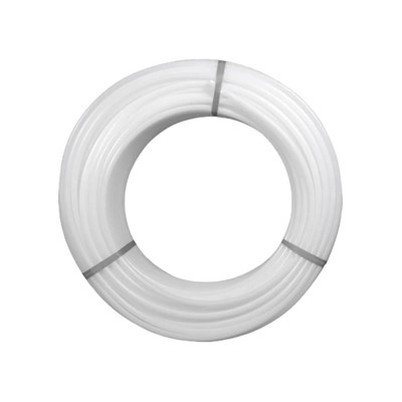
What types of fittings are used for a 3 inch pex pipe?
Leave a message

When dealing with a 3-inch PEX (Cross-linked Polyethylene) pipe, selecting the right fittings is crucial for a successful plumbing installation. As a reliable 3-inch PEX pipe supplier, I understand the significance of these components and the role they play in ensuring a durable and efficient plumbing system. In this blog post, I will explore the various types of fittings used for 3-inch PEX pipes, their features, and applications.
Compression Fittings
Compression fittings are a popular choice for connecting 3-inch PEX pipes. These fittings work by compressing a ring or ferrule onto the pipe, creating a tight seal. They are relatively easy to install and do not require any special tools other than a pipe cutter and a wrench. Compression fittings are suitable for both residential and commercial applications and can be used in a variety of plumbing systems, including water supply and radiant heating.
One of the advantages of compression fittings is their versatility. They can be used with different types of PEX pipes, including PE-Xa, PE-Xb, and PE-Xc. This makes them a convenient option for plumbers who may encounter different types of PEX pipes on the job. Additionally, compression fittings are available in a range of configurations, including elbows, tees, couplings, and adapters, allowing for flexibility in plumbing system design.

However, it is important to note that compression fittings may not be suitable for all applications. They are generally not recommended for use in high-pressure systems or in areas where the pipes may be subject to vibration or movement. In these cases, other types of fittings, such as crimp or push-to-connect fittings, may be more appropriate.
Crimp Fittings
Crimp fittings are another common type of fitting used for 3-inch PEX pipes. These fittings use a stainless steel ring or sleeve that is crimped onto the pipe using a special crimping tool. The crimping process creates a secure and permanent connection between the fitting and the pipe, ensuring a leak-free seal.
Crimp fittings are known for their reliability and durability. They are suitable for use in a wide range of plumbing applications, including hot and cold water supply, radiant heating, and snow melting systems. Crimp fittings are also resistant to corrosion and can withstand high pressures, making them a popular choice for both residential and commercial plumbing projects.
One of the benefits of crimp fittings is their ease of installation. Once the crimping tool is properly calibrated, the installation process is relatively straightforward. However, it is important to ensure that the crimping tool is used correctly and that the crimp rings are the correct size for the pipe. Improper installation can result in leaks or other plumbing problems.
Push-to-Connect Fittings
Push-to-connect fittings are a relatively new type of fitting that has gained popularity in recent years. These fittings use a simple push-and-lock mechanism to connect the fitting to the pipe. To install a push-to-connect fitting, the pipe is simply inserted into the fitting until it clicks into place. No special tools or additional steps are required.
Push-to-connect fittings are known for their speed and ease of installation. They are a great option for DIYers or plumbers who need to complete a plumbing project quickly. Push-to-connect fittings are also suitable for use in tight spaces or areas where traditional fittings may be difficult to install.
In addition to their ease of installation, push-to-connect fittings are also reliable and durable. They are designed to create a secure and leak-free connection between the fitting and the pipe, even under high pressures. Push-to-connect fittings are available in a variety of configurations, including elbows, tees, couplings, and adapters, allowing for flexibility in plumbing system design.
However, it is important to note that push-to-connect fittings may not be suitable for all applications. They are generally not recommended for use in high-temperature or high-pressure systems. Additionally, some push-to-connect fittings may require periodic maintenance or replacement to ensure continued performance.
Transition Fittings
Transition fittings are used to connect PEX pipes to other types of pipes or fixtures. These fittings are necessary when integrating a PEX plumbing system with an existing plumbing system or when connecting PEX pipes to fixtures that are not compatible with PEX.
One common type of transition fitting is the brass adapter. Brass adapters are used to connect PEX pipes to copper, PVC, or other types of pipes. They are available in a variety of configurations, including male and female adapters, elbows, tees, and couplings. Brass adapters are known for their durability and corrosion resistance, making them a popular choice for plumbing applications.
Another type of transition fitting is the plastic adapter. Plastic adapters are used to connect PEX pipes to fixtures such as faucets, toilets, and water heaters. They are available in a variety of materials, including PVC, CPVC, and ABS. Plastic adapters are lightweight, easy to install, and resistant to corrosion, making them a cost-effective option for plumbing projects.
Specialty Fittings
In addition to the standard types of fittings discussed above, there are also a number of specialty fittings available for 3-inch PEX pipes. These fittings are designed to meet specific plumbing needs or to provide additional functionality to the plumbing system.
One example of a specialty fitting is the Ppsu Elbow 90°. This fitting is made from polyphenylsulfone (PPSU), a high-performance thermoplastic that is known for its strength, durability, and resistance to chemicals and heat. The Ppsu Elbow 90° is ideal for use in applications where a 90-degree turn is required, such as in a plumbing system that runs along a wall or around a corner.
Another example of a specialty fitting is the PE-Xa Pipe NSF. This pipe is made from cross-linked polyethylene (PEX) and is certified to meet the standards of the National Sanitation Foundation (NSF). The PE-Xa Pipe NSF is suitable for use in potable water applications and is designed to provide a safe and reliable water supply.
Conclusion
Selecting the right fittings for a 3-inch PEX pipe is essential for a successful plumbing installation. As a 3-inch PEX pipe supplier, I offer a wide range of fittings to meet the needs of my customers. Whether you are a DIYer or a professional plumber, I can help you choose the right fittings for your plumbing project.
If you are interested in learning more about the types of fittings available for 3-inch PEX pipes or if you have any questions about our products, please feel free to contact me. I would be happy to assist you with your plumbing needs and to provide you with the information and support you need to make an informed decision.
References
- "PEX Pipe Installation Guide," Plumbing Manufacturers International.
- "Cross-linked Polyethylene (PEX) Pipe and Fittings," American Society of Plumbing Engineers.
- "Choosing the Right PEX Fittings," Family Handyman.