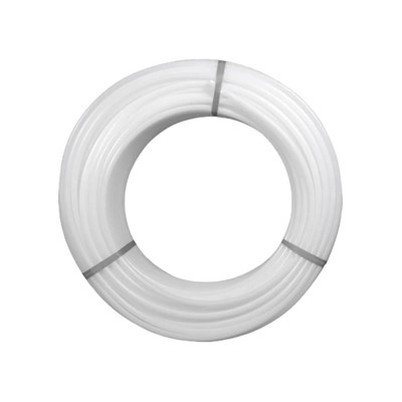
What is the wall thickness of PERT Pipe?
Leave a message

What is the wall thickness of PERT Pipe?
As a supplier of PERT (Polyethylene of Raised Temperature resistance) pipes, I often encounter questions from customers regarding the wall thickness of these pipes. Understanding the wall thickness of PERT pipes is crucial as it directly impacts their performance, durability, and suitability for various applications.
Factors Influencing Wall Thickness
The wall thickness of PERT pipes is determined by several factors. Firstly, the intended application plays a significant role. PERT pipes are widely used in heating systems, such as under - floor heating, radiator connections, and hot and cold water supply systems. For heating systems, the pipes need to withstand higher temperatures and pressures. Therefore, thicker - walled pipes are generally preferred to ensure long - term reliability.
In under - floor heating applications, the pipes are embedded in the floor structure. They need to be able to resist mechanical damage during the installation process and over time. A thicker wall provides better protection against external forces, such as the weight of furniture or people walking on the floor.
Secondly, the operating pressure is a key determinant. Higher operating pressures require pipes with greater wall thickness to prevent leakage and bursting. For example, in a large - scale building with a complex hot water supply network, the pressure in the pipes can be relatively high. In such cases, PERT pipes with thicker walls are necessary to maintain the integrity of the system.
The diameter of the pipe also affects the wall thickness. Generally, as the diameter of the PERT pipe increases, the wall thickness also needs to increase to maintain the structural strength of the pipe. This is because larger - diameter pipes are more prone to deformation under pressure compared to smaller - diameter ones.
Standard Wall Thicknesses
There are industry standards that specify the wall thickness of PERT pipes. These standards ensure that the pipes meet certain quality and performance requirements. Different countries and regions may have their own standards. For instance, in Europe, the EN 15877 standard provides guidelines on the dimensions and wall thickness of PERT pipes for heating and hot - water installations.
According to common industry standards, for PERT pipes with small diameters (e.g., 16mm), the wall thickness is typically around 2.0mm to 2.3mm. For medium - sized pipes with a diameter of 20mm, the wall thickness usually ranges from 2.3mm to 2.8mm. Larger - diameter pipes, such as those with a diameter of 25mm, may have a wall thickness of 2.8mm to 3.5mm.
It's important to note that these are general ranges, and the actual wall thickness may vary depending on the specific requirements of the project and the manufacturer's production capabilities.
Importance of Correct Wall Thickness
Using PERT pipes with the correct wall thickness is essential for the proper functioning of the piping system. If the wall thickness is too thin, the pipe may not be able to withstand the operating pressure and temperature, leading to leaks or even pipe failure. This can result in significant damage to the building structure, disruption of the heating or water supply system, and additional repair costs.
On the other hand, using pipes with an overly thick wall can be wasteful in terms of material and cost. It may also make the installation process more difficult, as thicker - walled pipes are heavier and less flexible.
Our PERT Pipe Offerings
As a PERT pipe supplier, we offer a wide range of PERT pipes with different wall thicknesses to meet the diverse needs of our customers. Our pipes are manufactured using high - quality raw materials and advanced production techniques to ensure consistent wall thickness and excellent performance.
We have pipes suitable for both residential and commercial applications. Whether you are building a small - scale home heating system or a large - scale commercial building's water supply network, we can provide you with the right PERT pipes. Our team of experts can assist you in selecting the appropriate wall thickness based on your specific project requirements.


If you are interested in learning more about our PERT Tube, please feel free to contact us. We are more than happy to provide you with detailed product information, technical specifications, and pricing.
Quality Control
To ensure the quality of our PERT pipes, we have a strict quality control system in place. During the production process, we regularly measure the wall thickness of the pipes to ensure that they meet the specified standards. We use advanced measuring equipment to obtain accurate and reliable results.
In addition to wall thickness, we also test other important properties of the pipes, such as pressure resistance, temperature resistance, and chemical stability. Only pipes that pass all the quality tests are allowed to leave our factory.
Installation Considerations
When installing PERT pipes, it's important to take the wall thickness into account. Thicker - walled pipes may require different installation techniques compared to thinner - walled ones. For example, thicker - walled pipes may need more force when bending or connecting.
It's also crucial to use the appropriate fittings that are compatible with the wall thickness of the pipes. Using incorrect fittings can lead to poor connections and potential leakage problems. Our company provides installation guides and technical support to help our customers ensure a proper and efficient installation process.
Conclusion
The wall thickness of PERT pipes is a critical factor that affects their performance and suitability for various applications. As a PERT pipe supplier, we understand the importance of providing pipes with the correct wall thickness. We offer a comprehensive range of PERT pipes with different wall thicknesses, and our strict quality control system ensures that our products meet the highest standards.
If you are planning a project that requires PERT pipes, we encourage you to contact us for a consultation. Our team of experts can help you select the most appropriate pipes for your needs, and we are ready to support you throughout the procurement and installation process.
References
- EN 15877:2008 Plastics piping systems for hot and cold water installations - Polyethylene of raised temperature resistance (PERT) - Components and the system - Specifications.
- Industry reports on PERT pipe manufacturing and application.