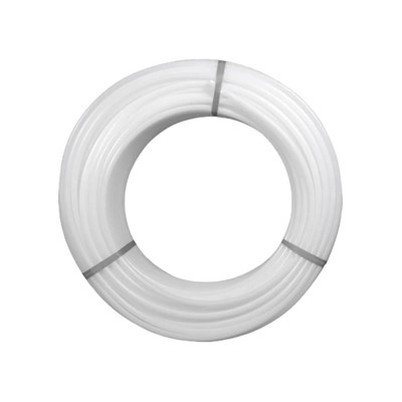
What is the resistance of PE - Xa/EVOH Pipe to scale formation?
Leave a message

As a supplier of PE - Xa/EVOH Pipe, I am frequently asked about the pipe's resistance to scale formation. Scale formation is a common issue in piping systems, especially in areas with hard water. It can lead to reduced flow rates, increased energy consumption, and even premature failure of the pipes and associated equipment. In this blog post, I will delve into the factors that contribute to scale formation, and explain how PE - Xa/EVOH Pipe demonstrates excellent resistance to this problem.
Understanding Scale Formation
Scale is primarily composed of mineral deposits, mainly calcium carbonate (CaCO₃), magnesium carbonate (MgCO₃), and other metal salts. These minerals are present in water in dissolved form. When water is heated or when its pH changes, the solubility of these minerals decreases, causing them to precipitate out of the solution and form solid deposits on the inner surfaces of pipes.
The process of scale formation is influenced by several factors, including water hardness, temperature, flow rate, and the surface properties of the pipes. Hard water, which contains high concentrations of calcium and magnesium ions, is more prone to scale formation. Higher temperatures accelerate the precipitation of minerals, while low flow rates allow more time for the minerals to settle on the pipe walls.
The Composition of PE - Xa/EVOH Pipe
PE - Xa/EVOH Pipe is a multi - layer pipe that combines the advantages of cross - linked polyethylene (PE - Xa) and ethylene - vinyl alcohol copolymer (EVOH). The inner layer of the pipe is made of PE - Xa, which is known for its excellent chemical resistance, flexibility, and long - term durability. The middle layer is EVOH, a high - performance barrier material that provides exceptional oxygen barrier properties, preventing oxygen from permeating into the system and causing corrosion of metal components.
Resistance Mechanisms of PE - Xa/EVOH Pipe to Scale Formation
1. Smooth Inner Surface
The inner surface of PE - Xa/EVOH Pipe is extremely smooth. A smooth surface reduces the number of nucleation sites where scale crystals can start to form. In contrast, pipes with rough inner surfaces, such as some metal pipes, provide more areas for minerals to adhere to, facilitating the initial stages of scale formation. The smoothness of the PE - Xa inner layer of our PE - Xa/EVOH Pipe means that it is more difficult for scale particles to attach and build up.
2. Chemical Inertness
PE - Xa is a chemically inert material. It does not react with the minerals in the water, such as calcium and magnesium ions. This is in contrast to metal pipes, which can undergo chemical reactions with the water and the dissolved minerals. For example, iron pipes can corrode in the presence of oxygen and water, and the corrosion products can act as a catalyst for scale formation. The chemical inertness of PE - Xa ensures that the pipe remains stable in the water environment and does not contribute to the scale - forming process.
3. Lack of Electrochemical Activity
Metal pipes often rely on electrochemical processes, which can lead to the deposition of scale. For instance, in a galvanic cell formed between different metals or between a metal and the water, the flow of electrons can cause the precipitation of minerals. PE - Xa/EVOH Pipe is non - metallic and does not have any electrochemical activity. This absence of electrochemical reactions eliminates one of the major driving forces for scale formation in metal - based piping systems.
Experimental Evidence of Scale Resistance
Numerous laboratory tests and real - world applications have demonstrated the excellent scale resistance of PE - Xa/EVOH Pipe. In laboratory experiments, pipes were exposed to hard water under controlled conditions of temperature and flow rate. After a certain period, the amount of scale deposition on the inner surface of the PE - Xa/EVOH Pipe was compared with that on other types of pipes, such as copper and steel pipes. The results showed that the PE - Xa/EVOH Pipe had significantly less scale formation.
In real - world applications, PE - Xa/EVOH Pipe has been used in various heating and plumbing systems in areas with hard water. These systems have been monitored over long periods, and it has been found that the pipes maintain their flow rates and performance without significant scale - related issues. This long - term performance in practical applications provides strong evidence of the pipe's ability to resist scale formation.
Benefits of Using Scale - Resistant Pipes
1. Reduced Maintenance Costs
Since PE - Xa/EVOH Pipe resists scale formation, there is less need for frequent maintenance and cleaning. In contrast, pipes that are prone to scale buildup may require regular descaling treatments, which can be time - consuming and expensive. By using PE - Xa/EVOH Pipe, building owners and facility managers can save on maintenance costs over the lifetime of the piping system.
2. Improved Energy Efficiency
Scale formation in pipes can lead to reduced flow rates, which in turn requires pumps to work harder to maintain the desired flow. This increased pump energy consumption can result in higher operating costs. The scale - resistant nature of PE - Xa/EVOH Pipe helps to maintain a consistent flow rate, ensuring that the system operates at optimal energy efficiency.
3. Extended Lifespan of the System
Scale buildup can cause damage to the pipes and other components in the system over time. It can lead to blockages, corrosion, and mechanical stress on the pipes. By preventing scale formation, PE - Xa/EVOH Pipe helps to extend the lifespan of the entire piping system, reducing the need for premature replacement of pipes and associated equipment.
Conclusion
In conclusion, PE - Xa/EVOH Pipe offers outstanding resistance to scale formation due to its smooth inner surface, chemical inertness, and lack of electrochemical activity. The experimental evidence and real - world applications have confirmed its excellent performance in preventing scale buildup. As a supplier of PE - Xa/EVOH Pipe, I am confident in recommending this product for applications where scale resistance is a critical requirement.
If you are interested in our PE - Xa/EVOH Pipe for your next project or need more information about its scale - resistant properties, please feel free to contact us for a detailed discussion and to start the procurement process.


References
- "Handbook of Polymer Science and Technology", CRC Press.
- Research papers on water treatment and pipe materials from relevant scientific journals.
- Technical reports from industry associations on the performance of piping systems.