What is the effect of chlorine on PEX - AL - PERT Pipe?
Leave a message

Hey there! I'm a supplier of PEX-AL-PERT Pipe, and today I want to chat about the effect of chlorine on PEX-AL-PERT pipes.
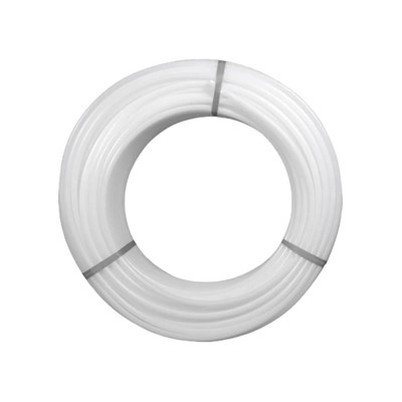
Let's start by getting to know PEX-AL-PERT pipes a bit better. These pipes are a type of multilayer composite pipe. They've got a layer of cross-linked polyethylene (PEX), an aluminum layer, and a layer of polyethylene raised temperature resistance (PERT). This combination gives them some great properties. They're flexible, which makes them easy to install, and they have good resistance to high pressures and temperatures. That's why they're often used in plumbing systems, especially for hot and cold water distribution.
Now, chlorine is a common chemical that's used to disinfect water. It's added to our water supplies to kill harmful bacteria and other pathogens, making the water safe to drink. But when it comes into contact with pipes, it can have some effects.
One of the main concerns with chlorine and PEX-AL-PERT pipes is oxidation. Chlorine is a strong oxidizing agent. When it flows through the pipes, it can react with the materials in the pipe. Over time, this oxidation can cause the pipe materials to break down. The cross-linked polyethylene layer in PEX-AL-PERT pipes is somewhat resistant to oxidation, but prolonged exposure to high levels of chlorine can still take a toll.
The oxidation process can lead to a few problems. First off, it can make the pipe material more brittle. As the pipe becomes more brittle, it's more likely to crack or develop leaks. This is a big deal because leaks can cause water damage to your property and can also lead to a waste of water.
Another effect of chlorine on PEX-AL-PERT pipes is the potential for the release of chemicals. When the pipe materials break down due to oxidation, there's a chance that small amounts of chemicals could be released into the water. These chemicals might not be harmful in small quantities, but it's still something to be aware of.
However, it's not all doom and gloom. The aluminum layer in PEX-AL-PERT pipes acts as a barrier. It helps to protect the inner and outer layers from the direct effects of chlorine. The aluminum layer is quite resistant to chlorine corrosion, so it can slow down the oxidation process of the polyethylene layers.
The thickness of the layers in the PEX-AL-PERT pipe also matters. Thicker layers of polyethylene and aluminum can provide more protection against the effects of chlorine. For example, if the cross-linked polyethylene layer is thicker, it will take longer for the chlorine to penetrate and cause significant oxidation.
The concentration of chlorine in the water is a key factor. In most municipal water supplies, the chlorine levels are regulated to ensure that they're safe for human consumption. These regulated levels usually don't cause immediate problems for PEX-AL-PERT pipes. But if you're in an area where the water has a higher than normal chlorine concentration, like in some industrial or agricultural areas, the pipes might be more at risk.
The temperature of the water flowing through the pipes also plays a role. Higher water temperatures can speed up the chemical reactions between chlorine and the pipe materials. So, if you're using PEX-AL-PERT pipes for hot water distribution, the oxidation process might happen a bit faster compared to cold water applications.
To mitigate the effects of chlorine on PEX-AL-PERT pipes, there are a few things you can do. One option is to use a water treatment system that reduces the chlorine levels in the water before it enters the pipes. There are various types of water filters available that can remove or reduce chlorine.
Another thing is to choose high-quality PEX-AL-PERT pipes. As a supplier, I can tell you that not all pipes are created equal. High-quality pipes are made with better materials and manufacturing processes, which can make them more resistant to the effects of chlorine.
When installing PEX-AL-PERT pipes, it's also important to follow the manufacturer's guidelines. This includes proper installation techniques, such as not over-tightening the fittings. Over-tightening can cause stress on the pipes, which can make them more susceptible to damage from chlorine and other factors.


Now, if you're in the market for PEX-AL-PERT pipes, you might be wondering why you should choose my products. Well, I've been in the business for a while, and I know what it takes to make high-quality pipes. My PEX-AL-PERT pipes are made with top-notch materials. The polyethylene layers are thick and have good resistance to oxidation, and the aluminum layer is strong and provides excellent protection.
I also offer a wide range of pipe sizes and configurations to meet your specific needs. Whether you're working on a small residential plumbing project or a large commercial installation, I've got the right pipes for you.
If you're interested in learning more about PEX-AL-PERT pipes or if you want to discuss your project and get a quote, don't hesitate to reach out. I'm always happy to help and can provide you with all the information you need to make an informed decision.
In conclusion, while chlorine can have some effects on PEX-AL-PERT pipes, with the right precautions and high-quality products, you can minimize these effects. PEX-AL-PERT pipes are still a great choice for plumbing systems due to their many advantages. So, if you're looking for a reliable and durable pipe solution, give PEX-AL-PERT pipes a try.
References
- "Handbook of Polymer Pipe Technology" by Thomas A. O'Brien
- "Water Supply and Water Treatment" textbooks for general knowledge on chlorine in water supplies.