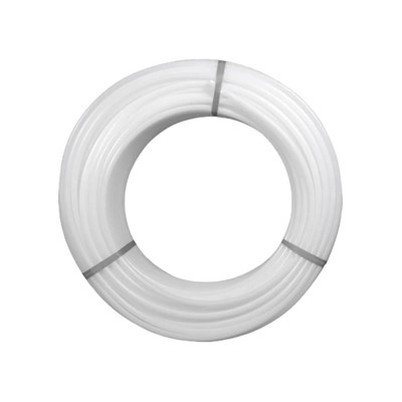
What is the difference between PERT tubing and PEX tubing?
Leave a message

Hey there! As a PERT tubing supplier, I often get asked about the difference between PERT tubing and PEX tubing. So, I thought I'd take a few minutes to break it down for you.
Let's start with the basics. Both PERT (Polyethylene Raised Temperature) and PEX (Cross - linked Polyethylene) are types of plastic tubing commonly used in plumbing and heating systems. They share some similarities, but there are also some key differences that you should know about if you're in the market for tubing.
1. Manufacturing Process
First up, the manufacturing process. PERT tubing is made from a special type of polyethylene resin. The production process involves extrusion, where the resin is heated and pushed through a die to form the tube shape. It doesn't require any cross - linking step, which makes the manufacturing process relatively straightforward.
On the other hand, PEX tubing is made by cross - linking polyethylene molecules. There are different methods to achieve this cross - linking, such as the peroxide method (PEX - a), the silane method (PEX - b), and the electron beam method (PEX - c). This cross - linking process changes the molecular structure of the polyethylene, giving PEX its unique properties.
2. Physical Properties
Temperature Resistance
When it comes to temperature resistance, both types of tubing can handle hot water. However, PEX tubing generally has a higher temperature resistance. PEX can typically withstand continuous operating temperatures of up to 200°F (93°C), while PERT tubing usually has a continuous operating temperature limit of around 180°F (82°C). So, if you have a system that requires very high - temperature water, PEX might be the better choice.
But don't count PERT out just yet. For most residential and commercial applications where the water temperature doesn't reach extremely high levels, PERT tubing works just fine. It's more than capable of handling the hot water needs in a typical home or office building.
Pressure Resistance
In terms of pressure resistance, PEX tubing also has an edge. The cross - linked structure of PEX gives it better strength and durability under pressure. PEX can handle higher pressures compared to PERT. This makes PEX a popular choice for applications where high - pressure water flow is required, like in some industrial plumbing systems.
However, PERT tubing is still suitable for many common applications. It can handle the normal water pressures found in residential and light - commercial plumbing systems without any issues.


Flexibility
Both PERT and PEX tubing are known for their flexibility, which is a big advantage during installation. But PERT tubing is often considered to be more flexible. Its lack of cross - linking allows it to bend more easily without kinking. This makes it easier to install in tight spaces or around corners. You can save a lot of time and effort during the installation process when using PERT tubing.
3. Chemical Resistance
When it comes to chemical resistance, both materials are relatively resistant to many common chemicals found in water systems. But PEX tubing has a slight edge here. The cross - linked structure of PEX makes it more resistant to oxidation and some chemical agents. This is important in areas where the water has a high mineral content or where chemicals are added to the water supply.
However, PERT tubing still offers good chemical resistance for most standard applications. In normal water conditions, it will hold up well over time without significant degradation.
4. Installation
Ease of Installation
As I mentioned earlier, PERT tubing's high flexibility makes it very easy to install. You can bend it around obstacles and through tight spaces without having to use a lot of fittings. This not only saves time but also reduces the number of potential leak points in the system.
PEX tubing, while also flexible, may require more specialized tools for some types of connections. For example, some PEX systems use expansion fittings that need a special expansion tool. This can add a bit of complexity to the installation process, especially for DIYers.
Compatibility with Fittings
PERT tubing can be connected using a variety of fittings, including compression fittings and push - to - connect fittings. These fittings are widely available and easy to use. You don't need any special skills or tools to make the connections.
PEX tubing also has a wide range of fitting options, but as I said, some of them require special tools. However, the cross - linked structure of PEX means that it forms a very secure connection with the fittings, which can be an advantage in the long run.
5. Cost
Cost is always an important factor when choosing a tubing material. Generally, PERT tubing is less expensive than PEX tubing. The simpler manufacturing process of PERT means that it can be produced at a lower cost, and these savings are often passed on to the customer.
If you're on a tight budget or working on a large - scale project where cost is a major consideration, PERT tubing can be a great option. You can get a high - quality tubing solution without breaking the bank.
6. Environmental Impact
In terms of environmental impact, both PERT and PEX are made from polyethylene, which is a recyclable material. However, the cross - linking process in PEX can make it a bit more difficult to recycle compared to PERT. Since PERT doesn't have the cross - linked structure, it can be more easily broken down and recycled into new products.
Conclusion
So, which one should you choose? Well, it depends on your specific needs. If you need a tubing material that can handle very high temperatures and pressures, and you're willing to pay a bit more and deal with a slightly more complex installation process, then PEX tubing might be the way to go.
On the other hand, if you're looking for a more flexible, cost - effective, and easy - to - install option for normal residential or light - commercial applications, then PERT tubing is an excellent choice. PERT Tube offers great performance and value for money.
If you're still not sure which type of tubing is right for your project, or if you have any questions about our PERT tubing products, feel free to reach out. We're here to help you make the best decision for your plumbing or heating system. Whether you're a contractor, a DIY enthusiast, or a building owner, we can provide you with the information and support you need. So, don't hesitate to contact us for more details and to start the procurement negotiation process.
References
- "Plastic Piping Handbook" by Don F. Mackey
- Various industry research reports on PERT and PEX tubing.