What is the burst pressure of PEX - AL - PERT Pipe?
Leave a message

Hey there! As a supplier of PEX - AL - PERT Pipe, I often get asked about the burst pressure of these pipes. So, I thought I'd sit down and write a blog post to share some insights on this topic.
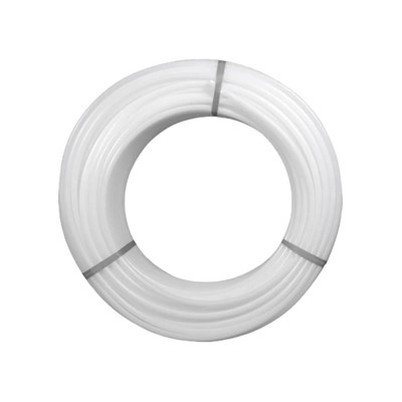
First off, let's understand what PEX - AL - PERT Pipe is. PEX - AL - PERT Pipe, as the name suggests, is a multi - layer composite pipe. You can find more detailed info about it on this link: PEX - AL - PERT Pipe. It combines the advantages of different materials. The PEX (cross - linked polyethylene) layers offer good flexibility and chemical resistance, the aluminum layer provides strength and oxygen barrier properties, and the PERT (polyethylene of raised temperature resistance) layer also contributes to the pipe's performance at various temperatures.
Now, let's talk about burst pressure. Burst pressure is the maximum pressure that a pipe can withstand before it bursts or fails catastrophically. It's a crucial factor to consider when choosing a pipe for any plumbing or heating system.
The burst pressure of PEX - AL - PERT Pipe depends on several factors. One of the most important ones is the pipe's wall thickness. Generally, the thicker the wall of the pipe, the higher the burst pressure it can handle. For example, a PEX - AL - PERT Pipe with a relatively thick wall is better able to resist the internal pressure exerted by the fluid flowing through it. This is because the extra material provides more strength and stability.
Another factor is the diameter of the pipe. Smaller diameter pipes usually have a higher burst pressure compared to larger diameter ones. This is because the stress distribution within the pipe wall is different. In smaller pipes, the internal pressure is distributed over a smaller area, and the pipe structure can better withstand this concentrated force.
The temperature also plays a significant role in determining the burst pressure. At higher temperatures, the material properties of the pipe change. The polymers in the PEX and PERT layers become more flexible, which can reduce the pipe's ability to withstand high pressure. So, when we're talking about burst pressure, we always need to specify the temperature at which the test is conducted. For instance, a PEX - AL - PERT Pipe might have a high burst pressure at room temperature, but as the temperature rises, this value will decrease.
Manufacturing quality is yet another key factor. A well - manufactured PEX - AL - PERT Pipe will have a more uniform structure, which means that the stress is evenly distributed throughout the pipe wall. Any defects or inconsistencies in the manufacturing process, such as uneven thickness or poor bonding between the layers, can significantly reduce the burst pressure. That's why it's so important to choose a reliable supplier. As a PEX - AL - PERT Pipe supplier, we take great care in our manufacturing process to ensure that each pipe meets high - quality standards.
To measure the burst pressure of PEX - AL - PERT Pipe, specialized testing equipment is used. The pipe is filled with a fluid, usually water, and the pressure is gradually increased until the pipe bursts. The pressure at which this occurs is recorded as the burst pressure. These tests are carried out under controlled conditions to ensure accurate results.
In the market, different standards are used to define the burst pressure requirements for PEX - AL - PERT Pipe. For example, some European standards specify certain minimum burst pressure values for pipes used in different applications, such as domestic plumbing or heating systems. These standards are in place to ensure the safety and reliability of the pipes in real - world use.
Let's take a look at some typical burst pressure values. For a standard - sized PEX - AL - PERT Pipe used in residential plumbing at room temperature (around 20°C), the burst pressure can range from 8 to 12 MPa (megapascals). However, if the temperature increases to around 80°C, this value might drop to 4 - 6 MPa. These values are just estimates, and the actual burst pressure can vary depending on the factors we've discussed earlier.
Now, you might be wondering why burst pressure is so important in practical applications. Well, in a plumbing or heating system, there can be sudden pressure surges. For example, when a valve is suddenly closed, a water hammer effect can occur, which causes a rapid increase in pressure within the pipes. If the pipes don't have a sufficient burst pressure, they could burst, leading to water damage, leaks, and costly repairs.
In a heating system, the pipes need to be able to withstand the pressure generated by the hot water or steam. If the burst pressure is too low, it can pose a safety risk, especially in commercial or industrial settings where the system operates at higher pressures and temperatures.
As a PEX - AL - PERT Pipe supplier, we understand the importance of burst pressure. That's why we offer pipes with different specifications to meet the diverse needs of our customers. Whether you're working on a small residential project or a large - scale commercial building, we can provide you with the right PEX - AL - PERT Pipe that has an appropriate burst pressure for your application.


If you're in the market for PEX - AL - PERT Pipe and want to learn more about the burst pressure and other properties of our products, don't hesitate to get in touch. We're here to help you make an informed decision and ensure that your plumbing or heating system runs smoothly and safely.
In conclusion, the burst pressure of PEX - AL - PERT Pipe is influenced by multiple factors, including wall thickness, diameter, temperature, and manufacturing quality. By understanding these factors, you can choose the right pipe for your project. And if you have any questions or are interested in purchasing our PEX - AL - PERT Pipe, feel free to reach out to us for further discussions.
References:
- Industry standards for PEX - AL - PERT Pipe testing
- Research papers on the mechanical properties of multi - layer composite pipes