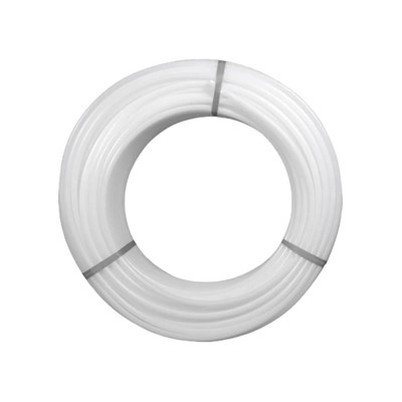
What are the precautions for using PE - Xa Pipe NSF in cold regions?
Leave a message

Hey there! As a supplier of PE-Xa Pipe NSF, I've had my fair share of experiences and insights when it comes to using these pipes, especially in cold regions. So, let's dive right in and talk about the precautions you need to take when using PE-Xa Pipe NSF in those frosty areas.
Understanding the Basics of PE - Xa Pipe NSF
First off, for those who might not be super familiar, PE - Xa Pipe NSF is a top - notch choice for plumbing. It's made from cross - linked polyethylene, which gives it some really cool properties. NSF stands for the National Sanitation Foundation, and when a pipe has the NSF certification, it means it meets the standards for safe drinking water applications. These pipes are great for PEX Pipe for Water Supply and PE - Xa Pipe for Plumbing Pipe because they're flexible, durable, and resistant to corrosion.
Why Cold Regions Are a Challenge
Cold regions bring a whole set of problems for plumbing systems. The most obvious one is freezing. When water freezes, it expands, and this expansion can put a lot of stress on pipes. If the pressure gets too high, the pipes can burst, leading to water damage, costly repairs, and a whole lot of headaches.
Precautions for Installation
Insulation Is Key
One of the most important things you can do when installing PE - Xa Pipe NSF in cold regions is to insulate the pipes properly. Good insulation helps to keep the water in the pipes from freezing. You can use foam insulation sleeves, which are easy to install and do a great job of reducing heat loss. Make sure to cover all exposed pipes, especially those in unheated areas like basements, attics, and crawl spaces.
Avoid Exposed Areas
Try to avoid running the pipes in areas that are directly exposed to the cold. For example, don't install them on exterior walls without proper protection. If you have to run pipes through exterior walls, use a double - walled pipe sleeve or a chase to provide an extra layer of insulation and protection.
Slope the Pipes
Proper slope is crucial. Make sure the pipes are sloped so that water can drain out completely. This helps to prevent water from sitting in the pipes and freezing. A slope of at least 1/4 inch per foot is recommended.


Precautions for Operation
Keep the Water Flowing
During extremely cold weather, it's a good idea to let a small trickle of water run from your faucets. This continuous flow of water helps to prevent it from freezing in the pipes. It doesn't have to be a big stream, just enough to keep the water moving.
Monitor the Temperature
Keep an eye on the temperature, especially during cold snaps. If you know that the temperature is going to drop below freezing, take extra precautions. You can use a thermostat to monitor the temperature in unheated areas where the pipes are located.
Winterize the System
If you're going to be away from your property during the cold season, it's important to winterize the plumbing system. This involves draining all the water from the pipes. You can do this by turning off the main water supply and opening all the faucets and drain valves to let the water out.
Maintenance and Checks
Regular Inspections
Regular inspections are essential. Check the pipes for any signs of damage, such as cracks or leaks. Look for areas where the insulation might be damaged or missing. If you find any problems, fix them immediately to prevent further damage.
Check the Insulation
Over time, the insulation can wear out or get damaged. Inspect the insulation regularly to make sure it's still in good condition. Replace any damaged insulation as soon as possible.
Precautions for Storage
Store Indoors
If you have extra PE - Xa Pipe NSF pipes that you're not using, store them indoors in a warm, dry place. Cold temperatures can make the pipes brittle, and storing them outdoors can lead to damage.
Protect from UV Rays
Even when stored indoors, make sure the pipes are protected from direct sunlight. UV rays can degrade the pipes over time, reducing their lifespan.
Conclusion
Using PE - Xa Pipe NSF in cold regions requires some extra care and attention. By following these precautions during installation, operation, maintenance, and storage, you can ensure that your plumbing system works well and lasts a long time.
If you're in the market for high - quality PE - Xa Pipe NSF, I'm here to help. Whether you're a contractor working on a big project or a homeowner doing a DIY plumbing job, I've got the right pipes for you. Contact me to discuss your requirements and let's start a great partnership.
References
- "Plumbing Handbook" by the American Society of Plumbing Engineers
- "Cold Climate Construction Guide" by the National Association of Home Builders