What are the installation requirements for PERT tubing in outdoor applications?
Leave a message

Hey there! As a PERT tubing supplier, I've been getting a bunch of questions lately about the installation requirements for PERT tubing in outdoor applications. So, I thought I'd put together this blog post to share some insights and tips.
1. Understanding PERT Tubing
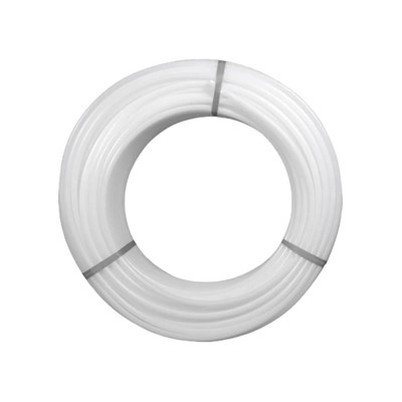
First off, let's quickly talk about what PERT tubing is. PERT, or Polyethylene of Raised Temperature resistance, is a type of plastic tubing that's known for its flexibility, durability, and resistance to high temperatures. It's widely used in various applications, including radiant floor heating, domestic water supply, and of course, outdoor plumbing. You can learn more about PERT Tube on our website.
2. Site Preparation
Before you start installing PERT tubing outdoors, proper site preparation is crucial.
2.1 Ground Inspection
Check the ground where you plan to lay the tubing. It should be relatively flat and free of sharp rocks, roots, or other debris that could damage the tubing. If the ground is uneven, you might need to level it using a rake or a grader. This step is super important because any punctures or abrasions in the tubing can lead to leaks down the line.
2.2 Trenches
If you're burying the tubing, you'll need to dig trenches. The depth of the trenches depends on several factors, including local climate and soil conditions. In general, the tubing should be buried at least 12 - 18 inches deep to protect it from freezing temperatures and physical damage. The width of the trench should be wide enough to allow for easy installation and some room for backfilling.
3. Tubing Selection
Not all PERT tubing is created equal, especially when it comes to outdoor applications.
3.1 Wall Thickness
For outdoor use, you'll want to choose PERT tubing with a thicker wall. A thicker wall provides better protection against external pressure, abrasion, and temperature fluctuations. Most suppliers offer different wall thickness options, so make sure to select the one that's suitable for your specific application.
3.2 UV Resistance
Since the tubing will be exposed to sunlight, it's important to choose tubing that has UV resistance. UV rays can degrade the plastic over time, weakening the tubing and increasing the risk of leaks. Look for PERT tubing that's specifically designed for outdoor use and has been treated to resist UV damage.
4. Installation Process
4.1 Unrolling the Tubing
When unrolling the PERT tubing, be careful not to kink or twist it. Kinks can restrict the flow of water and cause damage to the tubing. If you encounter a kink, try to straighten it out gently. You can use a heat gun on a low setting to make the tubing more flexible and easier to straighten.
4.2 Connecting the Tubing
There are several methods for connecting PERT tubing, including compression fittings, push - to - connect fittings, and heat fusion. For outdoor applications, heat fusion is often the preferred method because it creates a permanent, leak - proof joint. However, it requires special equipment and some skill to perform correctly. Compression fittings are also a popular choice as they're relatively easy to install, but make sure to tighten them properly to prevent leaks.
4.3 Securing the Tubing
Once the tubing is laid in the trench, you need to secure it to prevent it from moving. You can use plastic or metal clips to hold the tubing in place at regular intervals. This is especially important if the ground is prone to shifting or if there's a risk of the tubing being disturbed by animals or human activity.
5. Insulation
Insulating the PERT tubing is essential in outdoor applications, especially in cold climates.
5.1 Types of Insulation
There are different types of insulation materials available, such as foam insulation sleeves and fiberglass insulation. Foam insulation sleeves are easy to install and provide good thermal insulation. They come in various sizes to fit different diameters of PERT tubing. Fiberglass insulation is also effective, but it requires more careful handling due to the potential for irritation.
5.2 Installation of Insulation
Wrap the insulation around the tubing tightly, making sure there are no gaps or overlaps. You can use tape to secure the insulation in place. Insulation not only helps to prevent freezing but also reduces heat loss, which can save energy and improve the efficiency of your system.
6. Backfilling
After the tubing is installed and insulated, it's time to backfill the trench.
6.1 Backfill Material
Use clean, loose soil or sand for backfilling. Avoid using large rocks or debris that could damage the tubing. Start by filling the trench with a few inches of backfill material and gently compact it around the tubing. Then, continue to fill the trench in layers, compacting each layer as you go.
6.2 Protecting the Tubing
As you backfill, be careful not to damage the tubing or the insulation. If you're using heavy equipment for backfilling, make sure to operate it carefully to avoid putting too much pressure on the tubing.
7. Testing
Once the installation is complete, it's crucial to test the system for leaks.
7.1 Pressure Testing
Fill the tubing with water and pressurize it to a level slightly higher than the normal operating pressure. Check all the joints and connections for leaks. If you find a leak, mark the location and repair it immediately. After the repairs are made, repeat the pressure test to ensure that the system is leak - free.


8. Maintenance
Regular maintenance is key to ensuring the long - term performance of your PERT tubing in outdoor applications.
8.1 Visual Inspections
Periodically inspect the tubing for signs of damage, such as cracks, leaks, or signs of UV degradation. Look for any changes in the appearance or condition of the tubing, and address any issues promptly.
8.2 Winterizing
In cold climates, it's important to winterize the system to prevent freezing. Drain the water from the tubing before the first freeze of the season. You can use a compressor to blow out any remaining water from the system.
Conclusion
Installing PERT tubing in outdoor applications requires careful planning, proper selection of materials, and attention to detail during the installation process. By following these installation requirements, you can ensure a successful and long - lasting installation.
If you're interested in purchasing PERT tubing for your outdoor project, or if you have any questions about installation or product selection, don't hesitate to reach out. We're here to help you make the right choices and ensure that your project goes smoothly.
References
- "Plastic Pipe Handbook" by George A. Ayers
- Industry standards and guidelines for PERT tubing installation