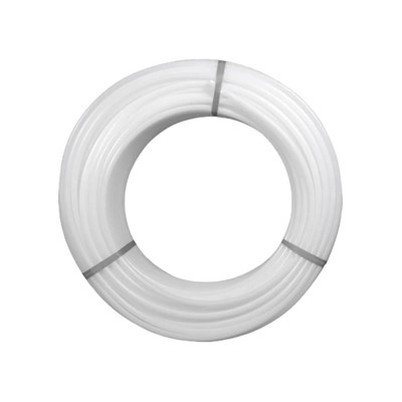
Is 3/4 pex piping resistant to corrosion?
Leave a message

Hey there! As a supplier of 3/4 PEX piping, I often get asked, "Is 3/4 PEX piping resistant to corrosion?" Well, let's dive right into it and find out.
First off, let's understand what PEX piping is. PEX, or cross-linked polyethylene, is a type of plastic tubing that has gained immense popularity in the plumbing industry over the past few decades. It's used in a variety of applications, including PEX Pipe for Floor Heating, PEX Pipe for Water Supply, and many others.
Now, back to the main question: Is 3/4 PEX piping resistant to corrosion? The short answer is yes! PEX piping is highly resistant to corrosion, and here's why.
The Science Behind PEX Corrosion Resistance
PEX is a non-metallic material. Unlike metal pipes such as copper, steel, or iron, it doesn't contain any metal ions that can react with water, oxygen, or other chemicals in the environment to form rust or corrosion. Metal pipes are prone to corrosion because of the electrochemical reactions that occur when they come into contact with water and oxygen. For example, iron pipes react with oxygen in the presence of water to form iron oxide, which we commonly know as rust.


In contrast, PEX is made from polyethylene, a polymer that is chemically stable. It doesn't undergo the same kind of electrochemical reactions as metal pipes. This chemical stability makes it highly resistant to the effects of corrosion, even in harsh water conditions.
Factors Affecting Corrosion Resistance
While PEX is generally resistant to corrosion, there are a few factors that can potentially affect its performance in the long run.
Water Chemistry
The quality of the water that flows through the PEX pipes can have an impact on their durability. Water with high levels of chlorine, chloramines, or other disinfectants can cause some degradation of the PEX material over time. However, modern PEX pipes are designed to withstand a certain level of these chemicals. For example, PE-Xa Pipe NSF is formulated to be more resistant to the effects of disinfectants commonly found in water supplies.
Temperature
Extreme temperatures can also affect the performance of PEX pipes. While PEX is known for its flexibility and ability to withstand a wide range of temperatures, prolonged exposure to very high temperatures can cause the material to soften and potentially lose some of its structural integrity. On the other hand, very low temperatures can make the pipes more brittle. It's important to install PEX pipes within the recommended temperature range to ensure their long-term corrosion resistance.
Installation
Proper installation is crucial for the long-term performance of PEX pipes. If the pipes are not installed correctly, they may be subject to stress, which can lead to cracks or leaks over time. For example, if the pipes are bent too sharply or if the fittings are not properly secured, it can create weak points in the system that may be more susceptible to damage.
Advantages of Using 3/4 PEX Piping
Apart from its corrosion resistance, 3/4 PEX piping offers several other advantages that make it a popular choice for plumbing applications.
Flexibility
One of the biggest advantages of PEX piping is its flexibility. It can be bent and curved easily without the need for additional fittings, which makes installation faster and more cost-effective. This flexibility also allows for easier installation in tight spaces or around obstacles.
Durability
In addition to being corrosion-resistant, PEX pipes are also very durable. They have a long lifespan, often lasting up to 50 years or more with proper installation and maintenance. This means that you won't have to worry about replacing your pipes for a long time, saving you money in the long run.
Cost-Effectiveness
PEX piping is generally more affordable than traditional metal pipes. The material itself is less expensive, and the installation process is quicker and requires fewer fittings, which further reduces the overall cost. This makes it a great option for both residential and commercial plumbing projects.
Real-World Applications
3/4 PEX piping is used in a wide range of applications, from residential plumbing to commercial heating and cooling systems.
Residential Plumbing
In residential homes, 3/4 PEX piping is commonly used for water supply lines. It can be used to connect the main water supply to individual fixtures such as sinks, toilets, and showers. Its corrosion resistance ensures that the water remains clean and free from contaminants, providing a safe and reliable water supply for your home.
Floor Heating Systems
As mentioned earlier, PEX Pipe for Floor Heating is another popular application for 3/4 PEX piping. In floor heating systems, hot water is circulated through the pipes to heat the floor. The corrosion resistance of PEX pipes ensures that the system remains efficient and reliable over time, without the risk of leaks or blockages caused by corrosion.
Conclusion
So, to answer the question, "Is 3/4 PEX piping resistant to corrosion?" The answer is a resounding yes! Thanks to its non-metallic composition and chemical stability, PEX piping is highly resistant to corrosion, making it a reliable and long-lasting choice for plumbing applications.
If you're in the market for 3/4 PEX piping, whether it's for a new construction project, a renovation, or a replacement, I'd love to have a chat with you. We offer high-quality 3/4 PEX piping that meets all the industry standards and is designed to provide you with years of trouble-free service. Don't hesitate to reach out for a quote or to discuss your specific needs. Let's work together to find the perfect solution for your plumbing project!
References
- "Cross - Linked Polyethylene (PEX) Tubing for Plumbing Systems" - American Society of Plumbing Engineers
- "Plumbing Materials Handbook" - McGraw - Hill