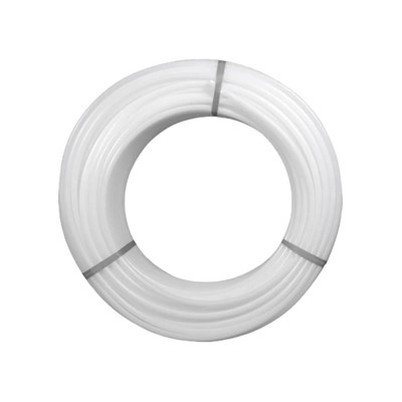
How to transport a 16mm PEX pipe safely?
Leave a message

Hey there! I'm a supplier of 16mm PEX pipes, and I know firsthand how important it is to transport these pipes safely. Whether you're a contractor, a DIY enthusiast, or just someone who needs to move a few pipes around, getting the transport right can save you a ton of hassle and money. In this blog, I'll share some tips on how to transport a 16mm PEX pipe safely.
Understanding the 16mm PEX Pipe
First things first, let's talk a bit about what a 16mm PEX pipe is. PEX stands for cross-linked polyethylene, and it's a type of plastic pipe that's widely used in plumbing and heating systems. The 16mm refers to the outer diameter of the pipe, which is a common size for residential and small - scale commercial applications.
These pipes are great because they're flexible, durable, and resistant to corrosion. But they're also relatively lightweight and can be easily damaged if not handled properly during transport.
Pre - Transport Preparation
Inspection
Before you even think about moving the pipes, give them a good inspection. Look for any signs of damage, like cracks, scratches, or kinks. If you find any issues, it's best to set those pipes aside. Damaged pipes can cause leaks later on, and you don't want to deal with that headache.
Cleaning
Clean the pipes to remove any dirt, debris, or moisture. This not only helps to keep the pipes in good condition but also prevents any contaminants from getting into your plumbing system. You can use a mild soap and water solution and a soft cloth to wipe them down.
Grouping and Securing
Group the pipes together based on their length and quantity. Use plastic straps or rope to secure them tightly. This will prevent the pipes from shifting around during transport, which could lead to damage.
Choosing the Right Transport Vehicle
Size Matters
The size of the vehicle you choose depends on how many pipes you need to transport. For a small number of pipes, you might be able to use a pickup truck or a van. But if you have a large quantity, you'll probably need a flatbed truck or a trailer. Make sure the vehicle is big enough to accommodate the pipes without overcrowding them.
Protection
Line the bed of the vehicle with a soft material, like a rubber mat or a thick blanket. This will cushion the pipes and prevent them from getting scratched or dented. If you're using a trailer, make sure the sides are high enough to keep the pipes from falling out.
Loading the Pipes
Lifting Properly
When loading the pipes, use proper lifting techniques. Bend your knees and keep your back straight. Don't try to lift too many pipes at once. If the pipes are too long or heavy, get some help.
Positioning
Load the pipes in an orderly manner. Place the longest pipes at the bottom and stack the shorter ones on top. Make sure the pipes are parallel to each other and evenly distributed across the vehicle. This will help to keep the weight balanced and prevent the vehicle from becoming unstable.
Securing in the Vehicle
Once the pipes are loaded, secure them to the vehicle. You can use tie - down straps or ropes to hold the pipes in place. Make sure the straps are tight enough to prevent the pipes from moving but not so tight that they damage the pipes.
During Transport
Driving Carefully
When you're on the road, drive carefully. Avoid sudden stops, starts, and turns. These can cause the pipes to shift and potentially get damaged. Also, be aware of speed bumps and potholes. Slow down when you encounter them to minimize the impact on the pipes.
Weather Considerations
If it's raining or snowing, cover the pipes with a waterproof tarp. This will protect them from water damage. In hot weather, try to keep the pipes out of direct sunlight as much as possible. Prolonged exposure to high temperatures can make the pipes soft and more prone to damage.
Unloading the Pipes
Reverse the Loading Process
Unloading is basically the reverse of loading. Start by removing the straps or ropes that are securing the pipes. Then, carefully lift the pipes out of the vehicle one by one. Again, use proper lifting techniques to avoid injury.
Storage
Once the pipes are unloaded, store them in a dry, cool place. Keep them away from sharp objects and heavy equipment that could damage them.
Accessories for Safe Transport
Fittings
When transporting PEX pipes, you might also need to transport some fittings like Ppsu Elbow 90° and PPSU Tee. Make sure to pack these fittings separately in a box or a container. You can use bubble wrap or foam to protect them from damage.
Pipe Markers
It's a good idea to use pipe markers to label the pipes. This can help you keep track of the different lengths and types of pipes, especially if you're transporting a large quantity.
Quality Pipes for Your Needs
As a supplier of 16mm PEX pipes, I can tell you that the quality of the pipes matters a lot. Our PE-Xa Pipe NSF meets high - quality standards, which means they're more durable and reliable during transport and installation.


Contact for Purchase and Consultation
If you're in the market for 16mm PEX pipes or need more advice on transporting them safely, don't hesitate to reach out. I'm here to help you make the right choices for your plumbing projects. Whether you're a professional contractor or a DIYer, we've got the pipes and the expertise you need.
References
- "Plumbing Pipe Installation Guide" - Plumbing Association of America
- "Transportation Best Practices for Plastic Pipes" - Plastic Pipe Manufacturers Council