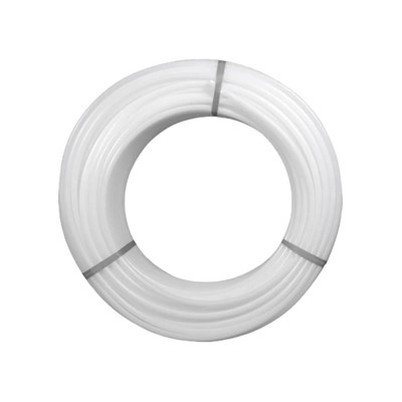
How to test the pressure resistance of Pex heating pipe?
Leave a message

Hey there! As a Pex heating pipe supplier, I often get asked about how to test the pressure resistance of Pex heating pipes. It's a crucial aspect, especially when you're looking to ensure the safety and longevity of your heating systems. So, let's dive right into it!
Why Testing Pressure Resistance Matters
First off, why do we even bother testing the pressure resistance of Pex heating pipes? Well, these pipes are used in heating systems where they're constantly under pressure from hot water flowing through them. If a pipe can't handle the pressure, it can lead to leaks, bursts, and a whole lot of headaches. That's why it's super important to make sure the pipes you're using can withstand the pressure they'll be subjected to in real - world applications.
Types of Pex Pipes and Their Pressure Ratings
Before we get into the testing methods, let's quickly talk about the different types of Pex pipes. There are mainly three types: PEX - a, PEX - b, and PEX - c. Each type has its own unique properties and pressure ratings.
PEX - a is known for its high flexibility and excellent resistance to stress cracking. It generally has a higher pressure rating compared to the other types. You can check out more about PE - Xa Pipe NSF for detailed information. PEX - b is more rigid and is widely used in many plumbing and heating applications. PEX - c falls somewhere in between in terms of flexibility and pressure resistance.
Pre - testing Preparations
Before you start testing the pressure resistance of Pex heating pipes, there are a few things you need to do. First, make sure the pipes are properly installed. Any loose connections or improper fittings can affect the test results. You should also clean the pipes thoroughly to remove any debris or contaminants that could potentially cause blockages or damage during the test.
Next, gather all the necessary equipment. You'll need a pressure testing pump, a pressure gauge, and some sealing materials to close off the ends of the pipe. The pressure testing pump is used to apply pressure to the pipe, while the pressure gauge allows you to monitor the pressure levels.
Testing Methods
There are a couple of common methods for testing the pressure resistance of Pex heating pipes: the hydrostatic test and the pneumatic test.
Hydrostatic Test
The hydrostatic test is the most widely used method. Here's how it works:
- Fill the pipe with water. Make sure there are no air pockets in the pipe, as they can affect the accuracy of the test. You can use a water pump to fill the pipe slowly.
- Seal the ends of the pipe using appropriate sealing materials. Make sure the seals are tight to prevent any water leakage.
- Connect the pressure testing pump to the pipe. Start the pump and gradually increase the pressure to the desired test pressure. The test pressure is usually higher than the normal operating pressure to simulate extreme conditions.
- Monitor the pressure using the pressure gauge. Keep the pressure at the test level for a specific period of time, usually around 1 - 2 hours.
- Check for any leaks or signs of damage during the test. Look for water drips, bulges, or any other visible signs of stress on the pipe. If you notice any issues, stop the test immediately and inspect the pipe further.
Pneumatic Test
The pneumatic test uses compressed air instead of water. While it's faster and more convenient than the hydrostatic test, it's also more dangerous because of the risk of explosion if there's a sudden failure in the pipe. Here's how to conduct a pneumatic test:
- Seal the ends of the pipe and connect the compressed air source.
- Slowly increase the pressure to the test level. Again, use a pressure gauge to monitor the pressure.
- Keep the pressure at the test level for a set period of time and check for leaks. You can use a soapy water solution to detect leaks. If you see bubbles forming at any joints or on the pipe surface, it indicates a leak.
Interpreting the Test Results
Once the test is complete, it's time to interpret the results. If the pipe holds the test pressure without any leaks or visible damage, it passes the pressure resistance test. This means the pipe is suitable for use in your heating system.
However, if there are leaks or signs of damage, the pipe fails the test. In this case, you should replace the pipe with a new one. It's important not to use a pipe that has failed the pressure test, as it can pose a serious safety risk.
Factors Affecting Pressure Resistance
There are several factors that can affect the pressure resistance of Pex heating pipes. Temperature is one of the most important factors. As the temperature increases, the pressure - bearing capacity of the pipe decreases. That's why it's important to consider the operating temperature of the heating system when selecting Pex pipes.
The thickness of the pipe wall also plays a role. Thicker - walled pipes generally have a higher pressure resistance than thinner - walled pipes. The quality of the raw materials used in the manufacturing of the pipe and the manufacturing process itself can also affect the pressure resistance.
Importance of Quality Pipes
As a Pex heating pipe supplier, I can't stress enough the importance of using high - quality pipes. Quality pipes are more likely to pass the pressure resistance test and provide long - term reliability. When you choose a supplier, make sure they have a good reputation and follow strict quality control standards.

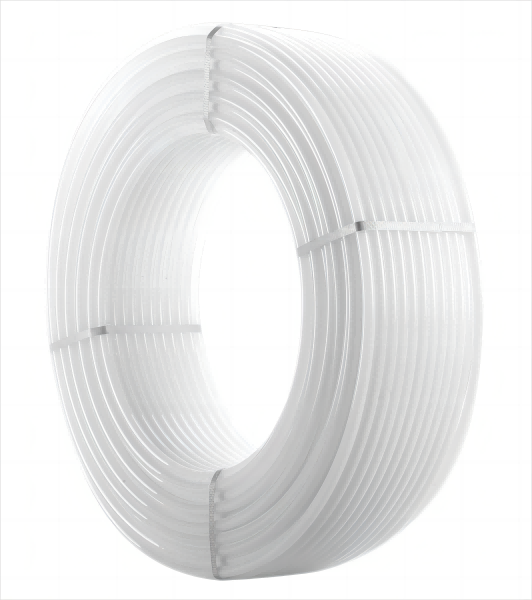
You might also be interested in PEX Pipe for Water Supply, which can be used in various applications along with heating systems. And if you need fittings, Ppsu Elbow 90° can be a great option.
Conclusion
Testing the pressure resistance of Pex heating pipes is an essential step in ensuring the safety and efficiency of your heating system. By following the proper testing methods and considering the factors that affect pressure resistance, you can make sure you're using the right pipes for your needs.
If you're in the market for Pex heating pipes or have any questions about pressure testing, don't hesitate to reach out. We're here to help you make the best choice for your heating system. Whether you're a contractor, a DIY enthusiast, or a building owner, we can provide you with high - quality Pex pipes and expert advice. So, let's get in touch and start discussing your requirements!
References
- "Plumbing Engineering: Design and Installation"
- "Handbook of PEX Pipes: Properties, Processing, and Applications"