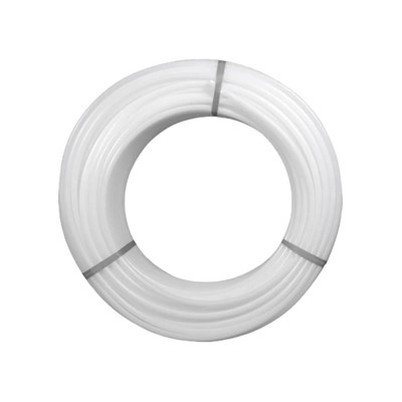
How to solve the problems of PERT EVOH Pipe?
Leave a message

As a supplier of PERT EVOH pipes, I've encountered various problems that customers face when using these pipes. In this blog, I'll share some common issues with PERT EVOH pipes and offer practical solutions to address them.
Common Problems with PERT EVOH Pipes
1. Oxygen Barrier Failure
One of the primary functions of PERT EVOH pipes is to act as an oxygen barrier. Oxygen ingress into the heating or plumbing system can lead to corrosion of metal components, such as radiators and boilers. Over time, this corrosion can reduce the efficiency of the system and even cause premature failure. The failure of the oxygen barrier can occur due to improper installation, damage during handling, or the use of low - quality materials.
2. Joint Leakage
Joint leakage is another prevalent problem. PERT EVOH pipes are typically joined using heat fusion or mechanical fittings. If the joints are not properly made, either due to incorrect welding parameters during heat fusion or improper installation of mechanical fittings, leaks can occur. These leaks can waste water, cause damage to the surrounding area, and lead to a loss of pressure in the system.
3. Pipe Bursting
Pipe bursting can happen under certain conditions. High - pressure situations, extreme temperature fluctuations, or the presence of sharp objects during installation can all contribute to pipe bursting. A burst pipe can cause significant water damage to buildings and disrupt the normal operation of the plumbing or heating system.
4. Compatibility Issues
Compatibility issues may arise when PERT EVOH pipes are used in conjunction with other materials in the system. For example, some chemicals or substances in the water or the surrounding environment may react with the pipe material, leading to degradation of the pipe over time.
Solutions to the Problems
1. Ensuring Oxygen Barrier Integrity
- Proper Installation: During installation, it's crucial to follow the manufacturer's guidelines. For example, when using heat fusion to join pipes, ensure that the welding temperature and time are within the specified range. This will help to maintain the integrity of the oxygen - barrier layer.
- Quality Inspection: Before installation, conduct a thorough inspection of the pipes. Check for any visible damage to the oxygen - barrier layer. If any damage is found, replace the pipe immediately.
- Use of High - Quality Materials: As a supplier, I always emphasize the use of high - quality PERT EVOH pipes. For instance, our PERT/EVOH Pipe 5 Layers and PERT/EVOH Pipe 3 Layers are made with premium materials that provide excellent oxygen - barrier properties.
2. Preventing Joint Leakage
- Training for Installers: Provide proper training to installers on how to make joints correctly. For heat - fusion joints, they should be familiar with the correct welding equipment and techniques. For mechanical fittings, they need to ensure that the fittings are tightened to the appropriate torque.
- Testing: After installation, conduct pressure tests on the system. This will help to identify any potential leaks at the joints. If a leak is detected, the joint should be repaired or redone immediately.
3. Avoiding Pipe Bursting
- Pressure Regulation: Install pressure - regulating valves in the system to ensure that the pressure within the pipes remains within a safe range. This will prevent excessive pressure from causing pipe bursting.
- Temperature Management: In areas where extreme temperature fluctuations occur, use insulation to protect the pipes. Insulation can help to maintain a more stable temperature within the pipes and reduce the risk of bursting.
- Careful Installation: During installation, avoid contact between the pipes and sharp objects. Use proper supports and guides to prevent the pipes from being damaged.
4. Addressing Compatibility Issues
- Material Testing: Before using PERT EVOH pipes in a new system, conduct material compatibility tests. This will help to identify any potential chemical reactions between the pipes and other substances in the system.
- Consultation: If there are concerns about compatibility, consult with a professional engineer or a chemical expert. They can provide advice on how to ensure the long - term compatibility of the pipes with other materials in the system.
Importance of Regular Maintenance
Regular maintenance is essential for the proper functioning of PERT EVOH pipes. It helps to detect and address potential problems before they become serious.
1. Visual Inspections
Periodically conduct visual inspections of the pipes. Look for signs of damage, such as cracks, bulges, or discoloration. Check the joints for any signs of leakage. If any issues are detected, take appropriate action immediately.


2. Pressure and Flow Checks
Regularly measure the pressure and flow rate in the system. Abnormal pressure or flow rates can indicate problems such as blockages or leaks. If any deviations from the normal values are detected, investigate the cause and take corrective measures.
3. Cleaning and Flushing
Over time, sediment and debris can accumulate inside the pipes, reducing the flow rate and potentially causing damage. Regularly clean and flush the pipes to remove any buildup. This will help to maintain the efficiency of the system.
Conclusion
PERT EVOH pipes offer many advantages in plumbing and heating systems, but they also come with their own set of problems. By understanding these common problems and implementing the appropriate solutions, we can ensure the long - term performance and reliability of these pipes. As a supplier, I'm committed to providing high - quality PERT EVOH pipes and sharing my expertise to help customers solve any problems they may encounter.
If you're interested in purchasing PERT EVOH pipes or have any questions about their use and maintenance, I encourage you to contact me for further discussion. We can work together to find the best solutions for your specific needs.
References
- Building Services Engineering: Principles and Practice, by CIBSE.
- Plumbing Engineering Design Handbook, by the American Society of Plumbing Engineers.