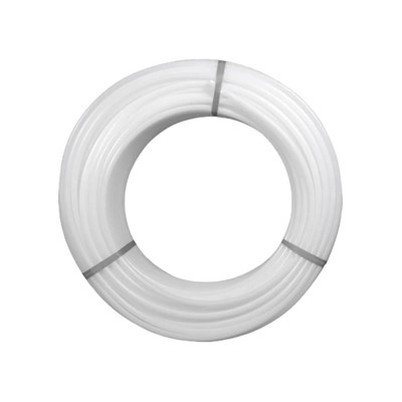
How to reduce noise from a 2 inch PEX pipe?
Leave a message

Hey there! As a supplier of 2-inch PEX pipes, I've gotten a bunch of questions from customers about reducing noise coming from these pipes. It's a common issue, and in this blog, I'll share some practical tips on how to tackle this problem.
First off, let's understand why 2-inch PEX pipes can make noise. There are a few reasons. One major cause is water hammer. This happens when the flow of water in the pipe suddenly stops or changes direction. The momentum of the water creates a shock wave that causes the pipe to vibrate and make a banging or rattling noise. Another reason could be the expansion and contraction of the pipe due to temperature changes. When the pipe heats up, it expands, and when it cools down, it contracts. This movement can rub against the surrounding materials and produce noise.
Now, let's get into the solutions.
1. Use Pipe Insulation
Pipe insulation is a great way to reduce noise from 2-inch PEX pipes. It acts as a buffer between the pipe and the surrounding environment, absorbing the vibrations and reducing the sound transmission. There are different types of insulation materials available, such as foam, fiberglass, and rubber. Foam insulation is a popular choice because it's easy to install and provides good soundproofing. You can simply wrap the insulation around the pipe and secure it with tape or zip ties.
When choosing insulation, make sure to select a product that's specifically designed for PEX pipes. This will ensure a proper fit and maximum effectiveness. You can find insulation at most hardware stores or online. And if you're looking for high-quality PEX pipes, check out our PEX Anti UV Pipe, which is also suitable for various applications.
2. Install Water Hammer Arrestors
Water hammer arrestors are devices that help prevent water hammer by absorbing the shock wave created when the water flow stops or changes direction. They work by providing a cushion of air or a spring-loaded piston that absorbs the energy of the water hammer. You can install water hammer arrestors at strategic points in your plumbing system, such as near valves, faucets, and appliances.
There are different types of water hammer arrestors available, including inline and stand-alone models. Inline arrestors are installed directly in the pipe, while stand-alone arrestors are mounted separately. The type you choose will depend on your specific plumbing system and the location where you need to install the arrestor. Make sure to follow the manufacturer's instructions when installing water hammer arrestors to ensure proper operation.
3. Secure the Pipes Properly
Loose or poorly secured pipes can also contribute to noise. When the pipes vibrate, they can rub against the surrounding materials, such as walls, floors, and ceilings, creating a rattling or squeaking sound. To prevent this, make sure to secure the pipes properly using pipe hangers or straps.
Pipe hangers are typically made of metal or plastic and are used to support the pipes and keep them in place. You can install pipe hangers at regular intervals along the length of the pipe, depending on the type of pipe and the weight of the water it carries. Make sure to use the appropriate size and type of pipe hanger for your 2-inch PEX pipes.
In addition to pipe hangers, you can also use pipe insulation to help secure the pipes and reduce noise. The insulation will act as a cushion between the pipe and the hanger, preventing the pipe from vibrating and rubbing against the hanger.
4. Adjust the Water Pressure
High water pressure can also cause noise in 2-inch PEX pipes. When the water pressure is too high, it can create a turbulent flow in the pipes, which can lead to water hammer and other noise issues. To reduce the water pressure, you can install a pressure regulator.
A pressure regulator is a device that controls the water pressure in your plumbing system. It works by reducing the incoming water pressure to a safe and comfortable level. You can install a pressure regulator at the main water supply line or at individual fixtures, such as faucets and toilets. Make sure to set the pressure regulator to the recommended pressure for your plumbing system.
5. Choose the Right Pipe Fittings
The type of pipe fittings you use can also affect the noise level in your 2-inch PEX pipes. Some fittings, such as elbows and tees, can create turbulence in the water flow, which can lead to noise. To reduce noise, choose fittings that are designed to minimize turbulence, such as smooth-bore fittings.
Smooth-bore fittings have a straight, unobstructed interior that allows the water to flow smoothly through the pipe. This reduces the chances of water hammer and other noise issues. You can find smooth-bore fittings at most plumbing supply stores or online. And if you're looking for PEX pipes for floor heating, check out our PEX Pipe for Floor Heating, which is designed to provide efficient and reliable heating.
6. Consider Using a Different Pipe Material
If you've tried all the above solutions and still can't reduce the noise from your 2-inch PEX pipes, you may want to consider using a different pipe material. Some pipe materials, such as copper and PVC, are known to be quieter than PEX pipes. However, keep in mind that these materials may have their own advantages and disadvantages, so make sure to do your research before making a decision.
If you decide to switch to a different pipe material, make sure to hire a professional plumber to install the new pipes. This will ensure that the installation is done correctly and that there are no leaks or other issues.


In conclusion, reducing noise from 2-inch PEX pipes is possible with the right solutions. By using pipe insulation, installing water hammer arrestors, securing the pipes properly, adjusting the water pressure, choosing the right pipe fittings, and considering a different pipe material, you can enjoy a quiet and comfortable plumbing system.
If you have any questions or need more information about our 2-inch PEX pipes or any of the solutions mentioned in this blog, please don't hesitate to contact us. We're here to help you find the best solutions for your plumbing needs. And if you're interested in purchasing our high-quality PEX pipes, such as our PE-Xa Pipe NSF, feel free to reach out to us for a quote.
References:
- Plumbing Handbook
- PEX Pipe Manufacturer's Guidelines