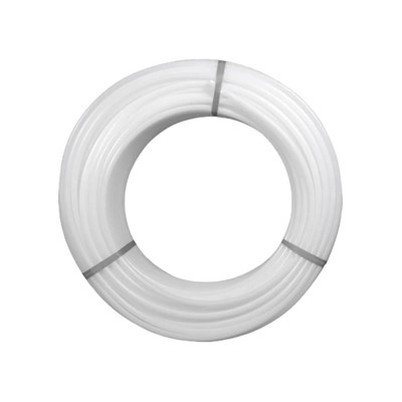
How to prevent corrosion in PE - Xa/EVOH Pipe?
Leave a message

As a supplier of PE-Xa/EVOH Pipe, I understand the significance of preventing corrosion in these pipes. Corrosion can not only reduce the service life of the pipes but also lead to leaks and other safety hazards, which can cause significant losses to users. In this blog, I will share some effective methods to prevent corrosion in PE-Xa/EVOH Pipe based on my experience and industry knowledge.

Understanding the Characteristics of PE-Xa/EVOH Pipe
Before discussing corrosion prevention, it is essential to understand the properties of PE-Xa/EVOH Pipe. PE-Xa, or cross-linked polyethylene, is a high - performance polymer with excellent mechanical properties, such as high strength, good flexibility, and resistance to environmental stress cracking. EVOH, or ethylene - vinyl alcohol copolymer, is a barrier material with outstanding oxygen barrier properties. The combination of PE - Xa and EVOH in the pipe structure provides both mechanical strength and oxygen barrier function, making it suitable for various applications, including heating systems, plumbing, and industrial fluid transportation.
However, despite their many advantages, PE - Xa/EVOH pipes are still susceptible to certain factors that can cause corrosion, such as chemical exposure, high - temperature environments, and the presence of oxygen in the fluid being transported.
1. Selecting High - Quality Raw Materials
The quality of raw materials is the foundation for preventing corrosion in PE - Xa/EVOH pipes. As a supplier, I always ensure that we source high - quality PE - Xa and EVOH resins from reliable manufacturers. High - quality raw materials have better chemical stability and resistance to environmental factors.
For PE - Xa, we look for materials with a proper degree of cross - linking. A well - cross - linked PE - Xa structure can enhance the pipe's resistance to mechanical damage and chemical attack. In the case of EVOH, we select resins with high ethylene content, which can improve the resin's flexibility and processability while maintaining good oxygen barrier properties. By using high - quality raw materials, we can produce pipes that are more resistant to corrosion from the start. PE-Xa/EVOH Pipe
2. Proper Installation
Proper installation is crucial for preventing corrosion in PE - Xa/EVOH pipes. During the installation process, it is necessary to ensure that the pipes are not damaged. Scratches or cuts on the pipe surface can provide entry points for corrosive substances, accelerating the corrosion process.
When installing the pipes, use appropriate tools and follow the installation guidelines carefully. For example, when bending the pipes, use a pipe bender with the correct radius to avoid over - bending, which can cause stress concentration and weaken the pipe's structure. In addition, ensure that the pipes are properly supported to prevent sagging or excessive movement, which can also lead to damage and corrosion over time.

3. Control of Fluid Composition
The composition of the fluid transported in the PE - Xa/EVOH pipes can have a significant impact on corrosion. For example, if the fluid contains a high concentration of oxygen, it can react with the pipe material over time, causing oxidation and corrosion.

To prevent this, it is necessary to control the oxygen content in the fluid. In heating systems, for instance, using a de - aeration device can effectively remove oxygen from the water. Additionally, the pH value of the fluid should be maintained within an appropriate range. A fluid with an extremely acidic or alkaline pH can be corrosive to the pipes. Regularly monitor the fluid's chemical composition and adjust it as needed to prevent corrosion.

4. Protection Against Chemical Exposure
PE - Xa/EVOH pipes may come into contact with various chemicals during their service life. Some chemicals, such as strong acids, alkalis, and certain solvents, can cause corrosion to the pipes.
To protect the pipes from chemical exposure, it is important to avoid direct contact with these corrosive substances. If the pipes are installed in an environment where chemical exposure is possible, such as an industrial area, use appropriate protective measures. For example, install the pipes in a protective conduit or use a coating on the outside of the pipes to resist chemical attack.
5. Temperature and Pressure Control
High temperatures and pressures can accelerate the corrosion process in PE - Xa/EVOH pipes. At high temperatures, the chemical reactions between the pipe material and the fluid or the surrounding environment can occur more rapidly. Similarly, high pressures can cause mechanical stress on the pipes, making them more vulnerable to damage and corrosion.
Therefore, it is necessary to control the operating temperature and pressure within the recommended range for the pipes. In heating systems, use a thermostat to maintain a stable temperature. In fluid transportation systems, install pressure - regulating valves to ensure that the pressure does not exceed the pipe's rated capacity.
6. Regular Inspection and Maintenance
Regular inspection and maintenance are essential for preventing corrosion in PE - Xa/EVOH pipes. By regularly inspecting the pipes, potential corrosion problems can be detected early, and appropriate measures can be taken to prevent further damage.
Inspect the pipes for signs of corrosion, such as discoloration, pitting, or leaks. Check the connections between the pipes and fittings to ensure they are tight and free of corrosion. In addition, clean the pipes regularly to remove any dirt or debris that may accumulate on the surface, which can also contribute to corrosion.
7. Use of Corrosion Inhibitors
In some cases, using corrosion inhibitors can be an effective way to prevent corrosion in PE - Xa/EVOH pipes. Corrosion inhibitors are chemicals that can be added to the fluid to reduce the rate of corrosion.
There are different types of corrosion inhibitors available, such as organic and inorganic inhibitors. The choice of corrosion inhibitor depends on the specific application and the composition of the fluid. Before using a corrosion inhibitor, it is important to conduct compatibility tests to ensure that it does not have a negative impact on the pipe material or the fluid being transported.
Conclusion
Preventing corrosion in PE - Xa/EVOH pipes requires a comprehensive approach that includes selecting high - quality raw materials, proper installation, control of fluid composition, protection against chemical exposure, temperature and pressure control, regular inspection and maintenance, and the use of corrosion inhibitors when necessary.
As a supplier of PE-Xa/EVOH Pipe, I am committed to providing high - quality pipes and technical support to help our customers prevent corrosion and ensure the long - term performance of the pipes. If you are interested in our products or need more information on corrosion prevention, please feel free to contact us for procurement and further discussions.
References
- ASTM International. (Year). Standard specifications for cross - linked polyethylene (PEX) plastic hot - and cold - water distribution systems.
- ISO (International Organization for Standardization). (Year). ISO standards related to plastic pipes and fittings.
- Technical literature from PE - Xa and EVOH resin manufacturers.