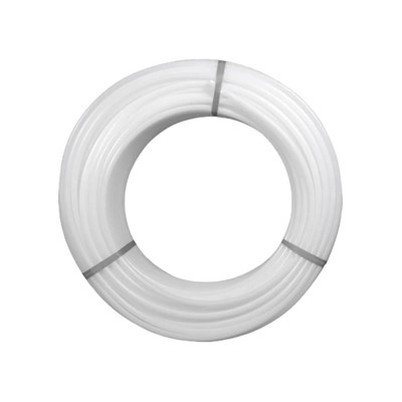
How to optimize the layout of PE - Xa/EVOH Pipe in a building?
Leave a message

Hey there! I'm a supplier of PE-Xa/EVOH Pipe, and today I wanna chat about how to optimize the layout of these pipes in a building. It's not just about randomly laying them down; there are some key things to consider to make sure everything works smoothly and efficiently.
Understanding the Basics of PE - Xa/EVOH Pipe
First off, let's quickly go over what PE - Xa/EVOH Pipe is. PE - Xa stands for cross - linked polyethylene type A, which is known for its excellent durability, flexibility, and resistance to high temperatures. The EVOH layer, on the other hand, acts as a barrier against oxygen permeation. This is super important because oxygen in the water can cause corrosion in the heating or plumbing system.
These pipes are commonly used in both residential and commercial buildings for hot and cold water supply, as well as in underfloor heating systems. Now that we know what they are, let's get into the layout optimization.
Planning the Route
One of the first steps in optimizing the layout is to plan the route of the pipes. You gotta take a good look at the building's structure and the intended use of the water or heating system. For example, in a residential building, you'll want to place the pipes close to the fixtures like sinks, toilets, and showers. This reduces the length of the pipe runs and minimizes pressure loss.
In an underfloor heating system, the pipes should be laid out in a way that ensures even heat distribution across the floor. A common pattern is a serpentine or spiral layout. You can start from the outer edges of the room and work your way inwards. This helps to prevent cold spots and keeps the whole floor at a consistent temperature.


When planning the route, it's also important to avoid sharp bends and kinks in the pipes. These can restrict the flow of water and increase the risk of blockages. Instead, use gentle curves and elbows with a large radius.
Pipe Sizing
Getting the right pipe size is crucial for the proper functioning of the system. If the pipes are too small, there will be high pressure loss and reduced flow rate. On the other hand, if they're too large, it can be a waste of materials and increase the cost.
The size of the pipe depends on several factors, including the distance the water has to travel, the number of fixtures it serves, and the flow rate required. For example, in a small residential bathroom with just a sink and a shower, a 1/2 - inch pipe might be sufficient. But in a large commercial kitchen with multiple sinks and dishwashers, you might need a 1 - inch or even larger pipe.
You can use plumbing codes and guidelines to determine the appropriate pipe size for your specific application. These codes take into account factors like the maximum flow rate, pressure requirements, and the type of system (hot or cold water).
Supporting the Pipes
Proper support is essential to prevent sagging and damage to the pipes over time. In a building, you can use pipe hangers, brackets, or straps to support the pipes. The frequency of the supports depends on the pipe size and the type of material it's made of.
For horizontal pipes, the supports should be placed at regular intervals. As a general rule, for 1/2 - inch pipes, the supports can be spaced about 3 feet apart, while for 1 - inch pipes, you can space them about 6 feet apart. Vertical pipes also need support, especially at the joints and bends.
When installing the supports, make sure they're tight enough to hold the pipes in place but not so tight that they damage the pipes. You can use rubber pads or cushions between the pipes and the supports to reduce noise and vibration.
Insulating the Pipes
Insulating the PE - Xa/EVOH Pipe is a great way to improve energy efficiency and prevent heat loss. In a hot water system, insulation helps to keep the water hot for longer, reducing the energy required to heat the water. In a cold water system, it can prevent condensation on the pipes, which can lead to water damage and mold growth.
There are different types of insulation materials available, such as foam, fiberglass, and rubber. You can choose the one that best suits your needs and budget. The insulation should be installed tightly around the pipes, with no gaps or air pockets.
In an underfloor heating system, the pipes are usually installed on top of an insulation layer. This helps to direct the heat upwards into the room and prevents heat loss through the floor.
Considering Future Maintenance
When laying out the pipes, it's important to think about future maintenance. You'll want to make sure that the pipes are easily accessible in case there's a leak or a blockage. Avoid hiding the pipes behind walls or in hard - to - reach places.
If possible, install access panels or inspection ports near the pipes. This allows you to quickly check the condition of the pipes and make any necessary repairs. You should also label the pipes clearly to indicate whether they're for hot or cold water, or for the heating system.
Cost - Efficiency
Optimizing the layout of the PE - Xa/EVOH Pipe also means being cost - efficient. You can save money by reducing the length of the pipe runs, using the right pipe size, and minimizing the use of additional fittings.
For example, instead of using multiple short pipe sections and fittings, you can use longer pipe lengths and fewer joints. This not only reduces the cost of materials but also decreases the risk of leaks at the joints.
You can also look for ways to reuse or recycle materials during the installation process. For instance, if you have some leftover pipe sections, you can use them for smaller projects or repairs.
Conclusion
So, there you have it! Optimizing the layout of PE - Xa/EVOH Pipe in a building involves careful planning, considering factors like route planning, pipe sizing, support, insulation, maintenance, and cost - efficiency. By following these tips, you can ensure that your plumbing or heating system works effectively and lasts for a long time.
If you're interested in purchasing our high - quality PE - Xa/EVOH Pipe for your next project, I'd love to have a chat with you. Just reach out, and we can discuss your specific needs and how we can help you get the best out of these pipes.
References
- Plumbing Codes and Standards Handbook
- Guide to Underfloor Heating Systems
- PE - Xa/EVOH Pipe Manufacturer's Manual