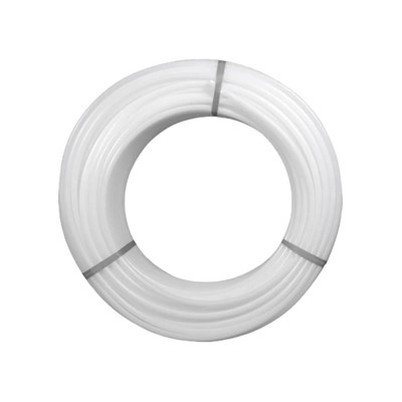
How to install PERT Pipe in a vertical orientation?
Leave a message

Installing PERT pipes in a vertical orientation can be a challenging yet rewarding task. As a PERT pipe supplier, I've witnessed firsthand the growing demand for these pipes in various construction and plumbing projects. PERT, or Polyethylene of Raised Temperature resistance, pipes are known for their excellent thermal stability, flexibility, and long - term durability. In this blog, I'll guide you through the step - by - step process of installing PERT pipes vertically, highlighting important considerations and best practices.
1. Planning and Preparation
Before you start the installation process, thorough planning is essential. First, assess the project requirements. Determine the length and diameter of the PERT pipes you'll need. Consider the flow rate and pressure requirements of the system. For instance, if it's a hot water supply system, you need to ensure the pipes can handle the high - temperature and pressure conditions.
Measure the vertical distance where the pipes will be installed. This will help you cut the pipes to the correct length. Make sure to account for any bends, joints, or connections that will be required along the way.
Gather all the necessary tools and materials. You'll need pipe cutters, pipe benders (if required), PERT fittings, soldering equipment (for heat - fusion joints), a level, and safety gear such as gloves and goggles.
2. Selecting the Right PERT Pipes
As a PERT pipe supplier, I understand the importance of choosing the right pipes for the job. PERT pipes come in different grades and wall thicknesses. For vertical installations, it's crucial to select pipes with sufficient strength to withstand the weight of the fluid column and any external forces.
Consider the application. If it's for a domestic water supply, a standard - grade PERT pipe may be sufficient. However, for industrial applications or high - pressure systems, you may need to opt for pipes with a higher pressure rating.
Also, ensure that the pipes are of high quality. Look for pipes that are free from cracks, scratches, or other defects. You can refer to [PERT Tube](/pert - pipe/pert - tube.html) on our website for a wide range of high - quality PERT pipes suitable for vertical installations.
3. Mounting the Pipe Supports
Proper support is crucial for vertical PERT pipe installations. Without adequate support, the pipes can sag, which may lead to leaks or even pipe failure over time.
Install pipe supports at regular intervals. The spacing between the supports depends on the diameter of the pipes and the type of fluid they will carry. As a general rule, for smaller - diameter pipes (up to 20mm), supports can be placed every 1 - 1.5 meters. For larger - diameter pipes, the spacing may need to be reduced to 0.5 - 1 meter.
Use appropriate support brackets or hangers. These should be made of materials that are compatible with PERT pipes, such as plastic or stainless steel. Ensure that the supports are securely fixed to the wall or structure. Use a level to make sure the supports are perfectly vertical.
4. Cutting the PERT Pipes
Once the supports are in place, it's time to cut the PERT pipes to the required length. Use a sharp pipe cutter specifically designed for PERT pipes. Make a clean, straight cut to ensure a proper fit with the fittings.
Measure the length of the pipe carefully before cutting. Mark the cutting point with a permanent marker. Place the pipe cutter around the pipe at the marked point and tighten it until it grips the pipe firmly. Rotate the cutter around the pipe, applying gentle pressure until the pipe is cut through.
After cutting, deburr the edges of the pipe using a deburring tool. This will prevent any sharp edges from damaging the O - rings or seals in the fittings.
5. Joining the PERT Pipes
There are several methods for joining PERT pipes, but heat - fusion is the most common and reliable method for vertical installations. Heat - fusion creates a permanent, leak - proof joint between the pipes and fittings.
First, clean the ends of the pipes and the inside of the fittings. Use a clean, dry cloth to remove any dirt, dust, or moisture. Then, apply a small amount of heat - fusion adhesive or primer to the pipe ends and the inside of the fittings. This will help improve the bonding between the materials.
Use a heat - fusion welding machine to heat the pipe ends and the fittings. Follow the manufacturer's instructions carefully to ensure the correct temperature and heating time. Once the pipe ends and fittings are heated, quickly insert the pipe into the fitting and hold it in place for a few seconds until the joint cools and solidifies.
Make sure the joint is aligned properly and there are no gaps or misalignments. Check the joint for any signs of leakage after it has cooled down.
6. Installing the Pipes Vertically
Start from the bottom and work your way up when installing the PERT pipes vertically. Attach the first pipe section to the bottom fitting or connection. Use a level to ensure the pipe is perfectly vertical. Secure the pipe to the support brackets or hangers.
Continue adding pipe sections, joining them together using the heat - fusion method described above. As you install each section, make sure to check the alignment and verticality. Use a plumb line if necessary to ensure accuracy.
If you need to make bends or turns in the pipe, use appropriate PERT pipe benders. These can be used to create smooth, gradual bends without kinking the pipe.
7. Testing the System
Once the vertical PERT pipe installation is complete, it's crucial to test the system for leaks and proper functionality. Close all the valves and fill the pipes with water or the appropriate fluid.
Check for any signs of leakage at the joints, fittings, and connections. Look for drips, puddles, or any other visible signs of water escape. If you find any leaks, mark the location and repair them immediately.
After checking for leaks, open the valves and allow the fluid to flow through the pipes. Monitor the flow rate and pressure to ensure they are within the desired range. Make any necessary adjustments to the system, such as adjusting the valves or adding additional supports if needed.
8. Maintenance and Troubleshooting
Regular maintenance is essential to ensure the long - term performance of the vertical PERT pipe system. Inspect the pipes and fittings periodically for any signs of wear, damage, or corrosion. Check the supports to make sure they are still secure.


If you encounter any problems, such as leaks or reduced flow rate, troubleshoot the issue promptly. Leaks may be caused by loose joints, damaged O - rings, or cracks in the pipes. In most cases, leaks can be repaired by tightening the joints or replacing the damaged components.
Reduced flow rate may be due to blockages in the pipes. You can try flushing the system with water or using a pipe cleaning tool to remove any debris or sediment.
Conclusion
Installing PERT pipes in a vertical orientation requires careful planning, proper selection of materials, and precise installation techniques. By following the steps outlined in this blog, you can ensure a successful installation that will provide reliable performance for years to come.
As a PERT pipe supplier, we are committed to providing high - quality products and excellent customer service. If you have any questions about PERT pipe installation or would like to discuss your project requirements, please feel free to contact us. We look forward to the opportunity to work with you on your next project.
References
- "PERT Pipe Installation Guide", Industry Standard Handbook
- "Best Practices for Vertical Pipe Installations", Plumbing and Construction Journal