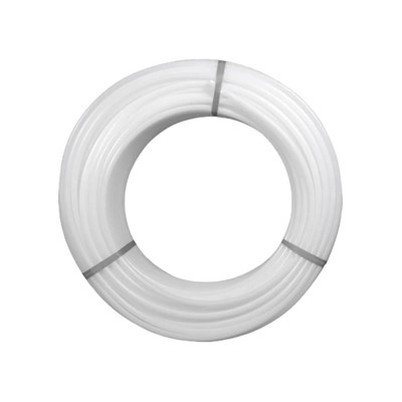
How to ensure good water quality in Pex heating pipe?
Leave a message

As a Pex heating pipe supplier, ensuring good water quality in Pex heating pipes is not only crucial for the efficient operation of heating systems but also for the health and comfort of end - users. In this blog, I'll share some key strategies and considerations to maintain high - quality water within Pex heating pipes.
1. Understanding the Basics of Pex Pipes
PEX (Cross - linked Polyethylene) pipes are widely used in heating systems due to their flexibility, durability, and resistance to corrosion. There are different types of PEX pipes, such as PE - Xa, PE - Xb, and PE - Xc. Among them, PE - Xa Pipe NSF is well - known for its high - quality cross - linking process, which gives it excellent chemical and mechanical properties.
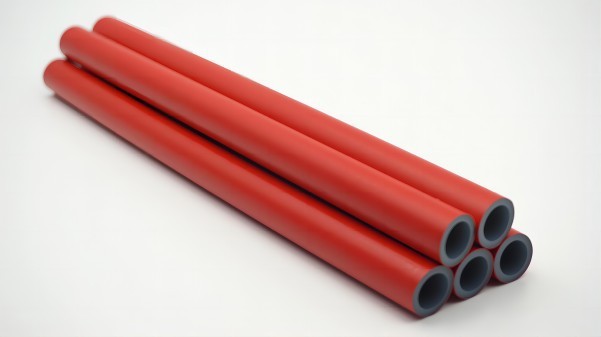
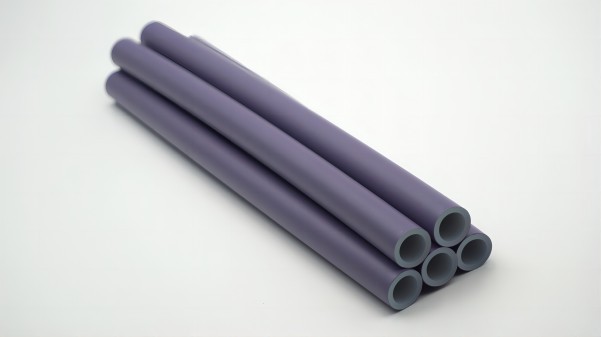
The cross - linking in PEX pipes enhances their ability to withstand high temperatures and pressures, making them suitable for various heating applications. For instance, PEX Pipe for Floor Heating is a popular choice for underfloor heating systems, where the pipes need to distribute heat evenly and operate continuously over long periods. PE - Xa Pipe for Plumbing Pipe is also commonly used in plumbing systems, where maintaining water quality is of utmost importance.
2. Water Source Selection
The first step in ensuring good water quality in Pex heating pipes is to start with a clean water source. Contaminated water can introduce various impurities, such as sediment, minerals, bacteria, and chemicals, into the heating system.
If the water source is from a well, it should be regularly tested for contaminants. Well water may contain high levels of iron, manganese, sulfur, and other minerals, which can cause scaling and corrosion in the pipes. In such cases, water treatment systems like water softeners, sediment filters, and iron removal systems may be required.
For municipal water supplies, although they are generally treated, they may still contain chlorine and other disinfectants. Chlorine can react with the PEX material over time, potentially affecting its performance. Therefore, it may be necessary to install a de - chlorination system, such as an activated carbon filter, to remove chlorine from the water before it enters the heating system.
3. System Design and Installation
Proper system design and installation are essential for maintaining good water quality in Pex heating pipes.
- Pipe Sizing: Correct pipe sizing is crucial to ensure proper water flow and circulation. Undersized pipes can lead to high - velocity water flow, which may cause erosion and increased wear on the pipes. Oversized pipes, on the other hand, can result in stagnant water, providing a breeding ground for bacteria.
- Avoiding Dead Ends: Dead ends in the piping system should be minimized. Stagnant water in dead ends can accumulate sediment, bacteria, and other contaminants. If dead ends are unavoidable, they should be equipped with drain valves to allow for periodic flushing.
- Proper Insulation: Insulating the Pex heating pipes helps to maintain a consistent water temperature. Fluctuations in water temperature can lead to condensation, which may introduce moisture and promote the growth of mold and bacteria. Additionally, insulation reduces heat loss, improving the energy efficiency of the heating system.
4. Water Treatment and Chemical Additives
In some cases, water treatment and the use of chemical additives can help maintain good water quality in Pex heating pipes.
- Antifreeze: In cold climates, antifreeze may be added to the water in the heating system to prevent freezing. However, it is important to use antifreeze that is compatible with PEX pipes. Some antifreezes may contain chemicals that can damage the PEX material. Propylene glycol - based antifreezes are generally recommended for use with PEX pipes.
- Corrosion Inhibitors: Corrosion inhibitors can be added to the water to protect the Pex pipes and other metal components in the heating system from corrosion. These inhibitors form a protective layer on the inner surface of the pipes, preventing the oxidation of the metal and the degradation of the PEX material.
- Biocides: To prevent the growth of bacteria, fungi, and algae in the heating system, biocides can be used. However, the use of biocides should be carefully regulated, as some biocides may be harmful to the environment and human health. It is important to choose biocides that are approved for use in heating systems and to follow the manufacturer's instructions for dosage and application.
5. Regular Maintenance and Monitoring
Regular maintenance and monitoring are key to ensuring good water quality in Pex heating pipes over the long term.
- Flushing: Periodic flushing of the heating system helps to remove sediment, debris, and other contaminants from the pipes. Flushing should be done at least once a year, or more frequently if the water source is known to be contaminated.
- Water Testing: Regular water testing is essential to monitor the quality of the water in the heating system. Tests should include parameters such as pH, hardness, alkalinity, and the presence of contaminants. Based on the test results, appropriate water treatment measures can be taken.
- Inspection of Pipes and Components: Regular inspection of the Pex pipes and other components in the heating system can help detect any signs of damage, such as leaks, cracks, or corrosion. Early detection and repair of problems can prevent further damage and ensure the continued operation of the heating system.
6. Compatibility with Other System Components
Pex heating pipes need to be compatible with other components in the heating system, such as boilers, pumps, and valves. Incompatible components can cause chemical reactions, leading to the degradation of the PEX material and the deterioration of water quality.
When selecting components for the heating system, it is important to ensure that they are designed to work with PEX pipes. Manufacturers' specifications and guidelines should be followed to ensure proper compatibility.
7. Training and Education for Installers and End - Users
Proper training and education for installers and end - users are essential for ensuring good water quality in Pex heating pipes.
Installers should be trained in the correct installation procedures for Pex pipes, including pipe sizing, jointing methods, and system design. They should also be aware of the importance of water quality and the proper use of water treatment products.
End - users should be educated on the basic maintenance requirements of the heating system, such as flushing, water testing, and the use of chemical additives. They should also be informed about the signs of water quality problems and when to seek professional help.
Conclusion
Ensuring good water quality in Pex heating pipes is a multi - faceted process that involves water source selection, proper system design and installation, water treatment, regular maintenance, and compatibility with other system components. By following these strategies, we can not only extend the lifespan of the Pex heating pipes but also provide a safe and efficient heating solution for our customers.
If you are interested in purchasing high - quality Pex heating pipes or need more information on ensuring water quality in your heating system, we invite you to contact us for further discussion and procurement negotiation.
References
- ASTM International. "Standard Specification for Crosslinked Polyethylene (PEX) Tubing." ASTM F876.
- NSF International. "NSF/ANSI 61: Drinking Water System Components – Health Effects."
- International Association of Plumbing and Mechanical Officials (IAPMO). "Uniform Plumbing Code."