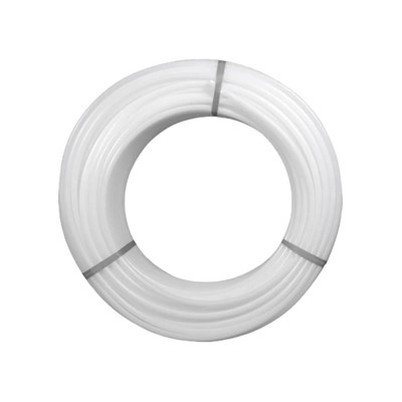
How to design a PE - X Pipe system for a geothermal heating and cooling system?
Leave a message

Designing a PE-X Pipe system for a geothermal heating and cooling system is a complex yet rewarding process. As a PE-X Pipe supplier, I have witnessed firsthand the transformative impact of well - designed geothermal systems on energy efficiency and comfort. In this blog, I will share some key steps and considerations for designing an effective PE - X Pipe system for geothermal applications.
Understanding Geothermal Heating and Cooling Systems
Geothermal heating and cooling systems leverage the stable temperature of the earth to provide energy - efficient climate control. The basic principle involves circulating a heat - transfer fluid through a series of pipes buried underground. In winter, the fluid absorbs heat from the ground and transfers it into the building. In summer, the process is reversed, with the fluid removing heat from the building and depositing it into the ground.
PE - X pipes are an ideal choice for these systems due to their excellent flexibility, chemical resistance, and long - term durability. They can withstand the temperature and pressure variations typically encountered in geothermal applications, making them a reliable and cost - effective solution.
Site Assessment
The first step in designing a PE - X Pipe system for a geothermal system is to conduct a thorough site assessment. This includes evaluating the soil type, moisture content, and available land area. Different soil types have different thermal properties, which can affect the efficiency of the heat exchange process. For example, soils with high clay content tend to have lower thermal conductivity compared to sandy soils.
The moisture content of the soil is also crucial, as water is an excellent conductor of heat. A site with high soil moisture will generally have better heat transfer characteristics. Additionally, the available land area will determine the size and layout of the ground loop system. A larger area may allow for a more efficient horizontal loop system, while a smaller area may require a vertical loop system.


System Sizing
Once the site assessment is complete, the next step is to size the PE - X Pipe system. This involves calculating the heating and cooling loads of the building, which depend on factors such as the building's size, insulation level, and occupancy. The heating and cooling loads will determine the length and diameter of the PE - X pipes required for the ground loop system.
There are several methods for calculating the heating and cooling loads, including the Manual J method developed by the Air Conditioning Contractors of America (ACCA). This method takes into account various factors such as the building's orientation, window area, and infiltration rate to provide a more accurate estimate of the loads.
In addition to the ground loop system, the size of the heat pump and other components of the geothermal system also need to be determined. The heat pump should be sized to match the heating and cooling loads of the building, while the other components such as pumps, valves, and controls should be sized to ensure proper operation of the system.
Pipe Selection
As a PE - X Pipe supplier, I understand the importance of selecting the right type of pipe for the geothermal system. There are different types of PE - X pipes available, including PE - Xa, PE - Xb, and PE - Xc. Each type has its own unique properties and advantages.
PE - Xa Pipe for Plumbing Pipe is known for its excellent flexibility and high - temperature resistance. It can be easily bent and installed without the need for additional fittings in many cases. PE - Xb pipes, on the other hand, are more rigid and have better chemical resistance. PE - Xc pipes offer a good balance between flexibility and chemical resistance.
When selecting the PE - X pipes, it is important to consider factors such as the operating temperature and pressure of the system, as well as the soil conditions at the installation site. The pipes should also be certified to meet relevant industry standards, such as ASTM F876 and ASTM F877, to ensure their quality and performance.
Loop Design
The loop design is a critical aspect of the PE - X Pipe system for a geothermal system. There are two main types of ground loop systems: horizontal and vertical.
Horizontal loop systems are typically installed in shallow trenches, usually 4 to 6 feet deep. They are suitable for sites with ample land area and relatively flat terrain. The PE - X pipes are laid out in a series of loops, either in a single - trench or multiple - trench configuration. The loops can be connected in parallel or series, depending on the design requirements.
Vertical loop systems, on the other hand, are installed in boreholes that can be up to several hundred feet deep. They are ideal for sites with limited land area or where the soil conditions are not suitable for a horizontal loop system. The PE - X pipes are inserted into the boreholes and connected at the surface. Vertical loop systems generally have higher installation costs but can provide more efficient heat transfer in some cases.
In addition to the loop type, the spacing between the pipes in the loop system also needs to be carefully considered. Proper spacing is essential to ensure adequate heat transfer and prevent thermal interference between the pipes.
Fittings and Accessories
To complete the PE - X Pipe system for a geothermal system, various fittings and accessories are required. These include elbows, tees, couplings, and valves. Ppsu Elbow 90° is a commonly used fitting for changing the direction of the pipes. It is made of high - quality PPSU material, which offers excellent chemical resistance and durability.
Other important accessories include expansion tanks, which help to accommodate the expansion and contraction of the fluid in the system, and air vents, which are used to remove air from the pipes. The fittings and accessories should be compatible with the PE - X pipes and meet relevant industry standards.
Installation and Commissioning
Once the design is complete, the PE - X Pipe system needs to be installed and commissioned. The installation process should be carried out by experienced professionals who are familiar with geothermal system installation.
During the installation, it is important to follow the manufacturer's instructions and industry best practices. The pipes should be installed in a clean and dry environment to prevent contamination. The joints between the pipes and fittings should be properly sealed to prevent leaks.
After the installation is complete, the system needs to be commissioned. This involves filling the system with the heat - transfer fluid, purging the air from the pipes, and testing the system for leaks and proper operation. The system should also be calibrated to ensure that it is operating at its optimal efficiency.
Maintenance and Monitoring
To ensure the long - term performance of the PE - X Pipe system for a geothermal system, regular maintenance and monitoring are required. This includes checking the fluid level and quality, inspecting the pipes and fittings for signs of wear or damage, and cleaning the filters.
Monitoring the system's performance can help to identify any potential issues early on and take corrective actions. This can include measuring the temperature and pressure of the fluid, as well as the energy consumption of the system.
Conclusion
Designing a PE - X Pipe system for a geothermal heating and cooling system requires careful planning and consideration. By following the steps outlined in this blog, you can ensure that your system is efficient, reliable, and cost - effective.
As a PE - X Pipe supplier, I am committed to providing high - quality products and technical support to help you design and install the best geothermal system for your needs. If you are interested in learning more about our PE - X pipes or have any questions about designing a geothermal system, please feel free to contact us for a procurement discussion.
References
- Air Conditioning Contractors of America (ACCA). Manual J: Residential Load Calculation.
- ASTM International. ASTM F876 - Standard Specification for Crosslinked Polyethylene (PE - X) Tubing.
- ASTM International. ASTM F877 - Standard Specification for Crosslinked Polyethylene (PE - X) Plastic Hot - and Cold - Water Distribution Systems.